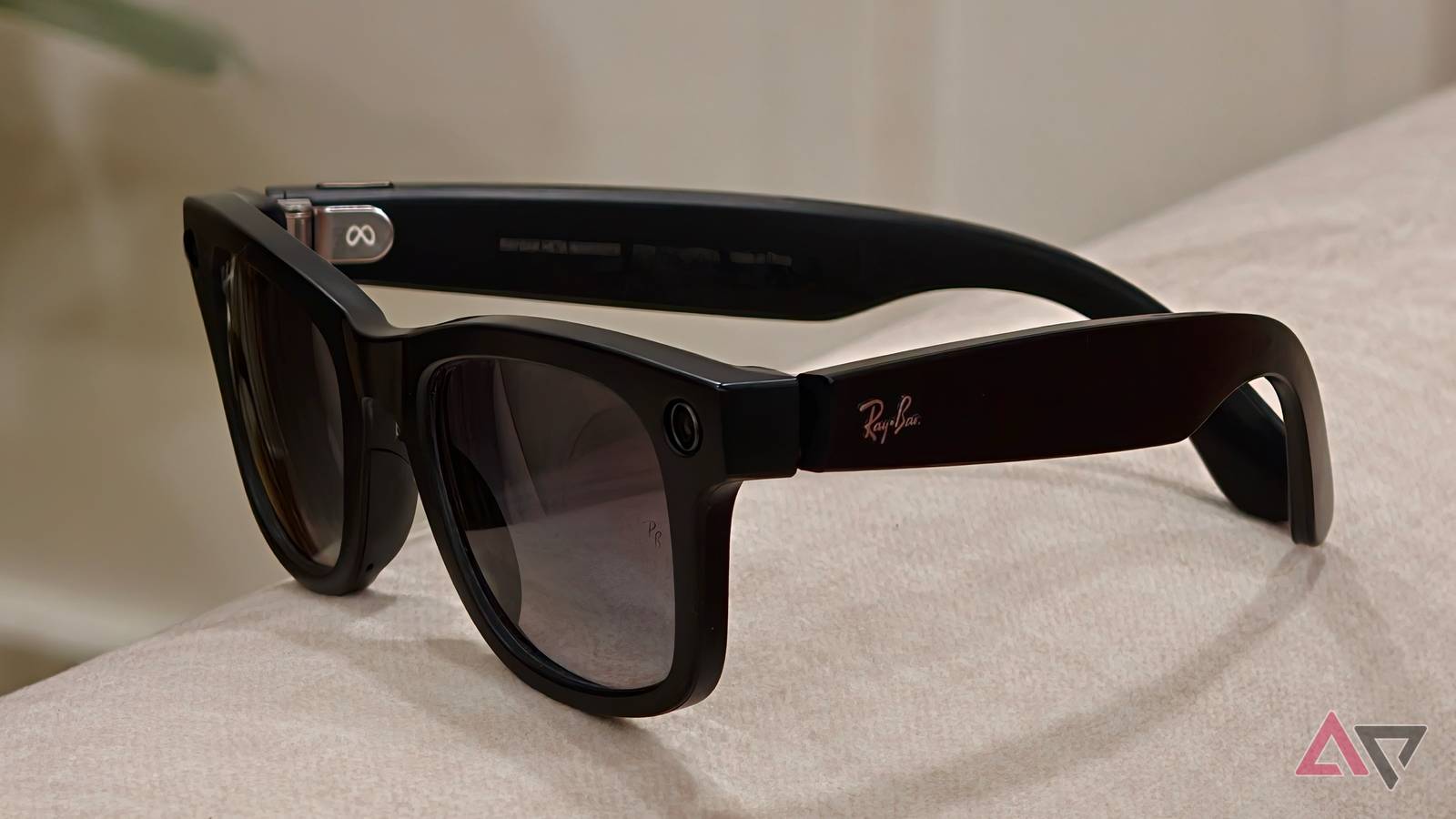
The excitement around smart glasses feels like it's starting to wear off. When Meta launched its first Ray-Ban smart glasses in 2023, they took the market by storm.
But since then, privacy concerns and the glasses' real usefulness have made me question whether they're worth wearing every day. Now, Google hopes to change that with its first-generation Android XR smart glasses.
The company has officially unveiled its new Intelligent Eyewear collection, developed in collaboration with Samsung, Gentle Monster, and Warby Parker.
While these glasses still come with some of the same concerns we've seen with other smart glasses, I'm considering ditching my Meta Ray-Bans for Google's new offering. Here's why.
Gemini could be the biggest reason I'll switch to Android XR glasses
Google's AI assistant could make smart glasses far more useful
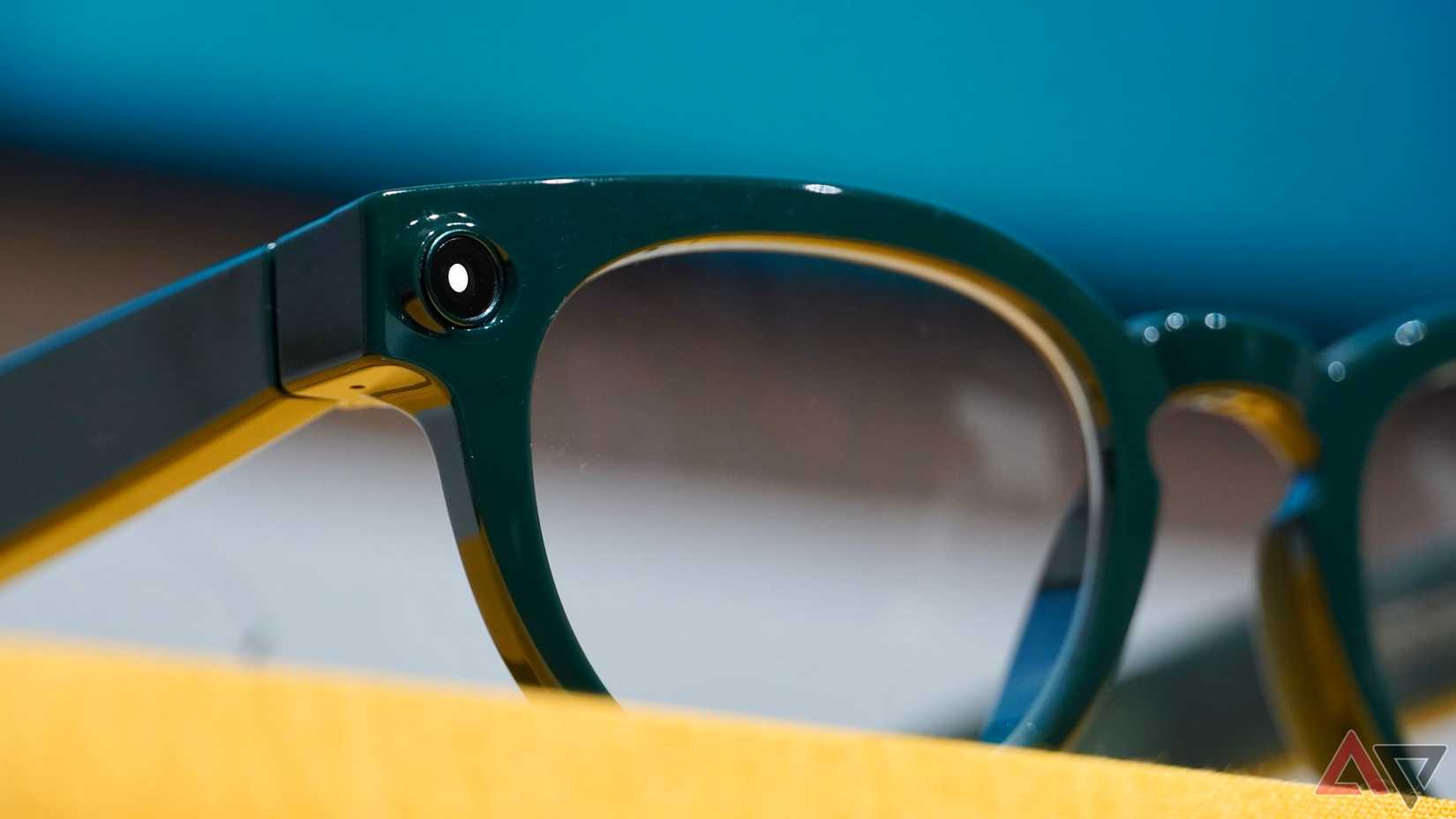
Like the Meta Ray-Ban glasses, Google's first-generation Intelligent Eyewear doesn't have a built-in display.
Instead, you get a familiar form factor with a 12MP camera that can record videos at up to 3K 30fps or 2K with HDR, open-ear speakers for listening to music and taking calls, and built-in microphones for interacting with Gemini.
There's also an LED indicator that lets people around you know when you're taking photos or recording videos. But we've already seen all of this before. What makes Google's new Android XR glasses interesting to me is Gemini.
One thing I've realized after using for over a year is that I don't use the built-in AI assistant nearly as much as I'd like to.
The experience has always been finicky. It would either ask me to open the companion app, update something, or tell me it couldn't process my request.
That's where Google's Android XR glasses could change things. It's not just about taking photos and videos, answering calls, or listening to music anymore. Gemini is at the center of the entire experience.
For example, you can ask Gemini questions about your Gmail, get help with everyday tasks, or use Google Maps for navigation. You can even ask Gemini about something you're looking at.

Say you're visiting a monument and want to know more about it, or you're at a restaurant in a foreign country and can't understand the menu. You can ask Gemini to look at what's in front of you and explain it.
Google is putting so much emphasis on the Gemini experience that it's even introducing the new "Hey Gemini" hotword on these glasses instead of the familiar "Hey Google" we've been using for years.
Google is also bringing Gemini's task automation capabilities to Android XR glasses, which means you could ask your smart glasses to book a cab home or order coffee from your favorite restaurant, and Gemini would handle the process without you touching your phone.
That's something Meta's Ray-Bans haven't been able to offer, even after three generations. You could attribute that to restrictions on Android and iOS, or perhaps the trust issues surrounding Meta as a company.
But Google seems to be addressing it, and that's what I'm looking forward to, rather than simply taking photos and videos with another pair of smart glasses.
Google seems to be taking privacy more seriously with Android XR
Google's approach could address some concerns I've had with Meta

Moving on to something Google genuinely seems to have handled better than Meta: privacy. Meta has faced plenty of criticism over the privacy implications of its Ray-Ban smart glasses in recent months.
Previously, the camera's recording indicator LED could be tampered with, although Meta has since introduced measures to prevent that. Still, the fact that it was possible in the first place raised some legitimate concerns.
Google seems to be addressing this from the beginning. The company says that if the LED indicator on its Android XR glasses is tampered with, hidden, or covered, the camera will automatically stop taking photos or recording videos. The camera also doesn't work unless you're wearing the glasses.

The most interesting part about Google's Android XR glasses, at least for me, is how the company says it handles camera data. For example, when you ask Gemini a question about something you're looking at, the glasses may capture an image that includes other people.
However, Google says it obscures faces before sending the image to Gemini for processing. The company also says it won't use this data to train its AI models or ads, which is a big commitment coming from Google.
I'll need to test Android XR glasses before making the switch
Google seems to have nailed the two aspects that made me stop using the Meta Ray-Bans: privacy and the lack of a good AI assistant.
Plus, it looks like Google has done quite well addressing both concerns at the same time. But that's what the company is promising for now. We'll have to test the glasses ourselves to see how well they perform.
These are just some of the first-generation Android XR glasses launching without a built-in display. I'm more excited about the Android XR glasses with displays that are coming, including Project Aura from Xreal.