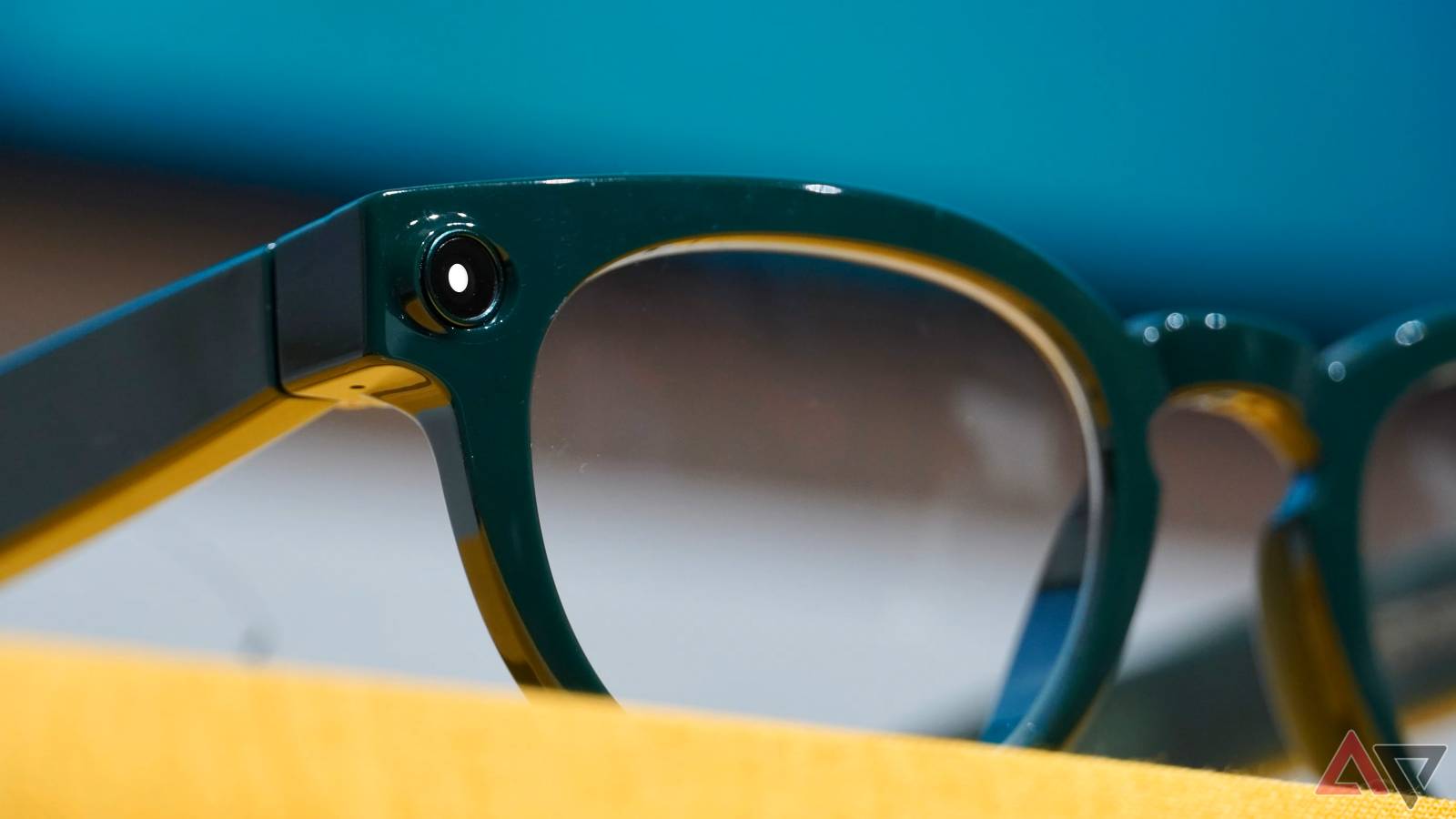
Privacy and security are the with Meta’s Ray-Ban smart glasses, with the public even calling them “perv glasses” because users might use them for illicit activities like secretly filming others without consent.
And with Google's widely anticipated , built by Samsung in partnership with Warby Parker and Gentle Monster, arriving soon, the company details the safeguards in its own wearables.
The search giant shares how these intelligent Eyewear wearables will work, including AI training, social live streaming, and facial recognition.
In a post published by Android XR Vice President and General Manager Shahram Izadi (via 9to5Google), it detailed how Android XR smart glasses, including those non-Samsung glasses, will automatically redact or blur faces before images are sent to Google's servers for Gemini analysis and processing.
"With this in mind, we set out to design the glasses so that personal help doesn't come at the expense of anyone's privacy," Izadi said.
The feature activates when a wearer initiates a Gemini query, such as asking for information about their surroundings, translating text from a menu, or identifying an object in view. If other people happen to appear in the camera view, their faces will be blurred before the image is processed.
Google says the same protection applies to the wearer. For example, if you're looking into a mirror or point the glasses toward your face while taking a photo or video, your face will also be redacted before the image is sent to Gemini.
Google further noted that images and videos captured for Gemini queries will not be saved in Gemini’s history log.
The company also says visuals submitted for Gemini requests won't be used for AI training, ad personalization, or targeted advertising.
Third-party apps won't support live streaming
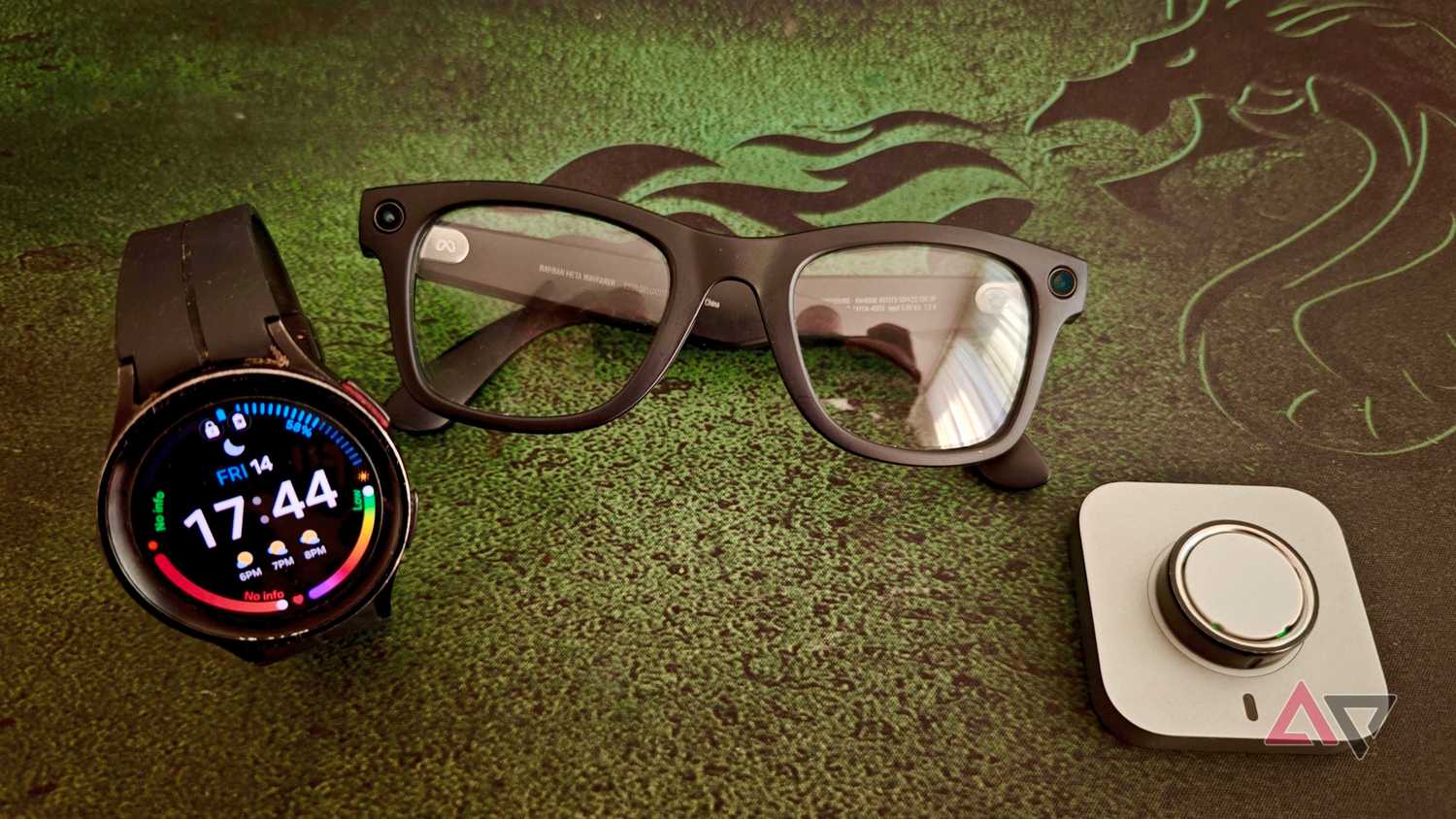
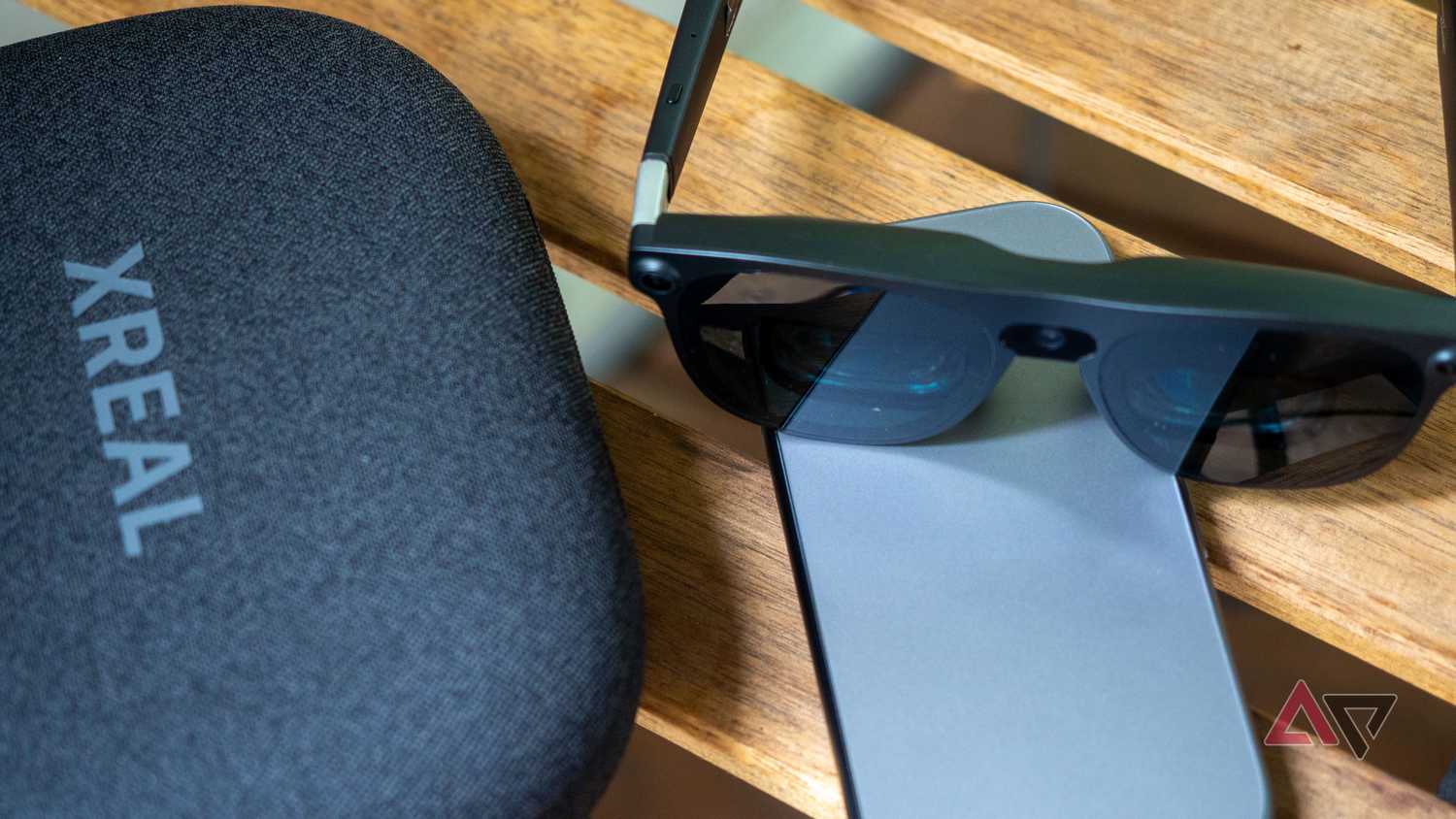
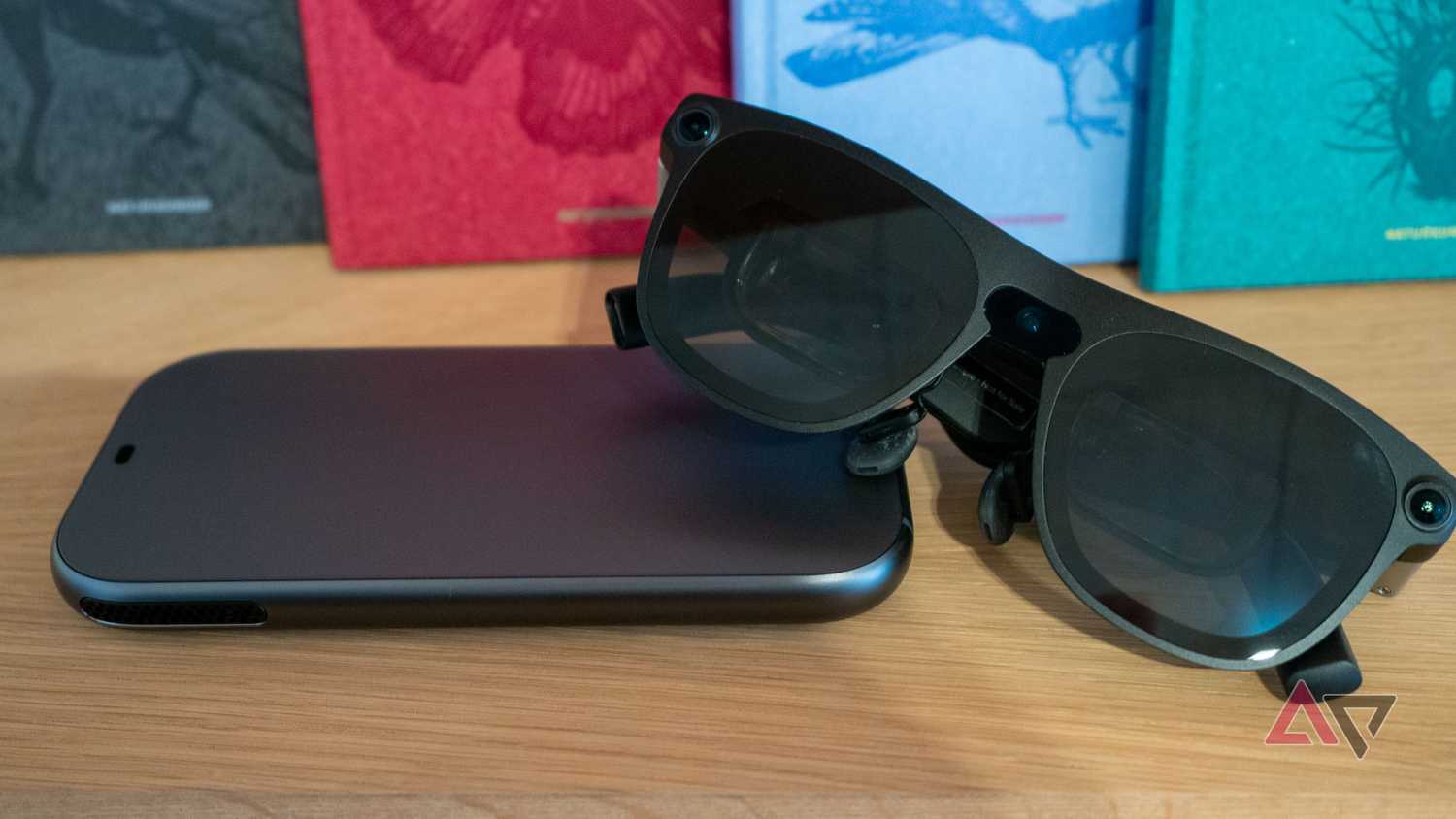
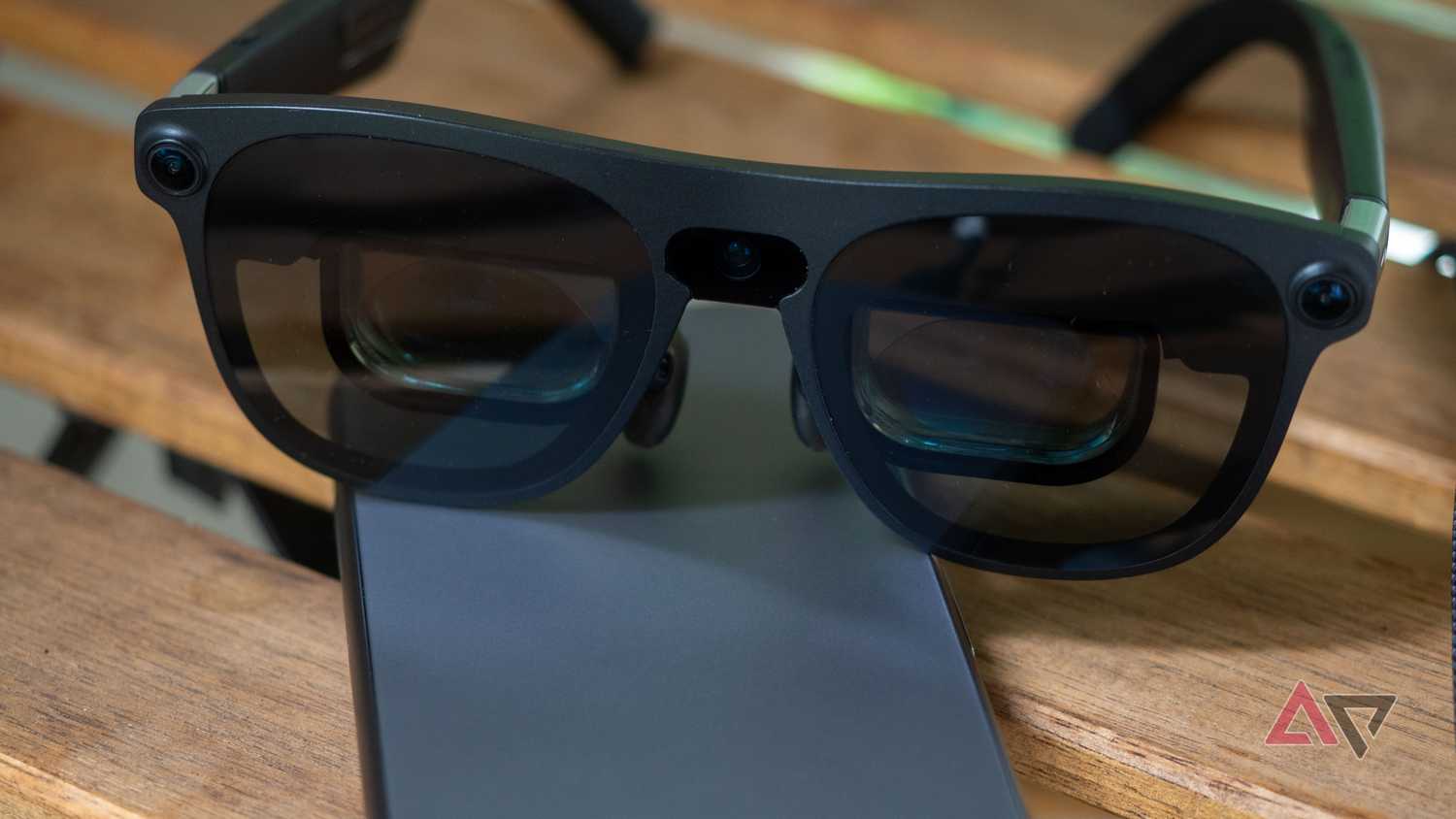
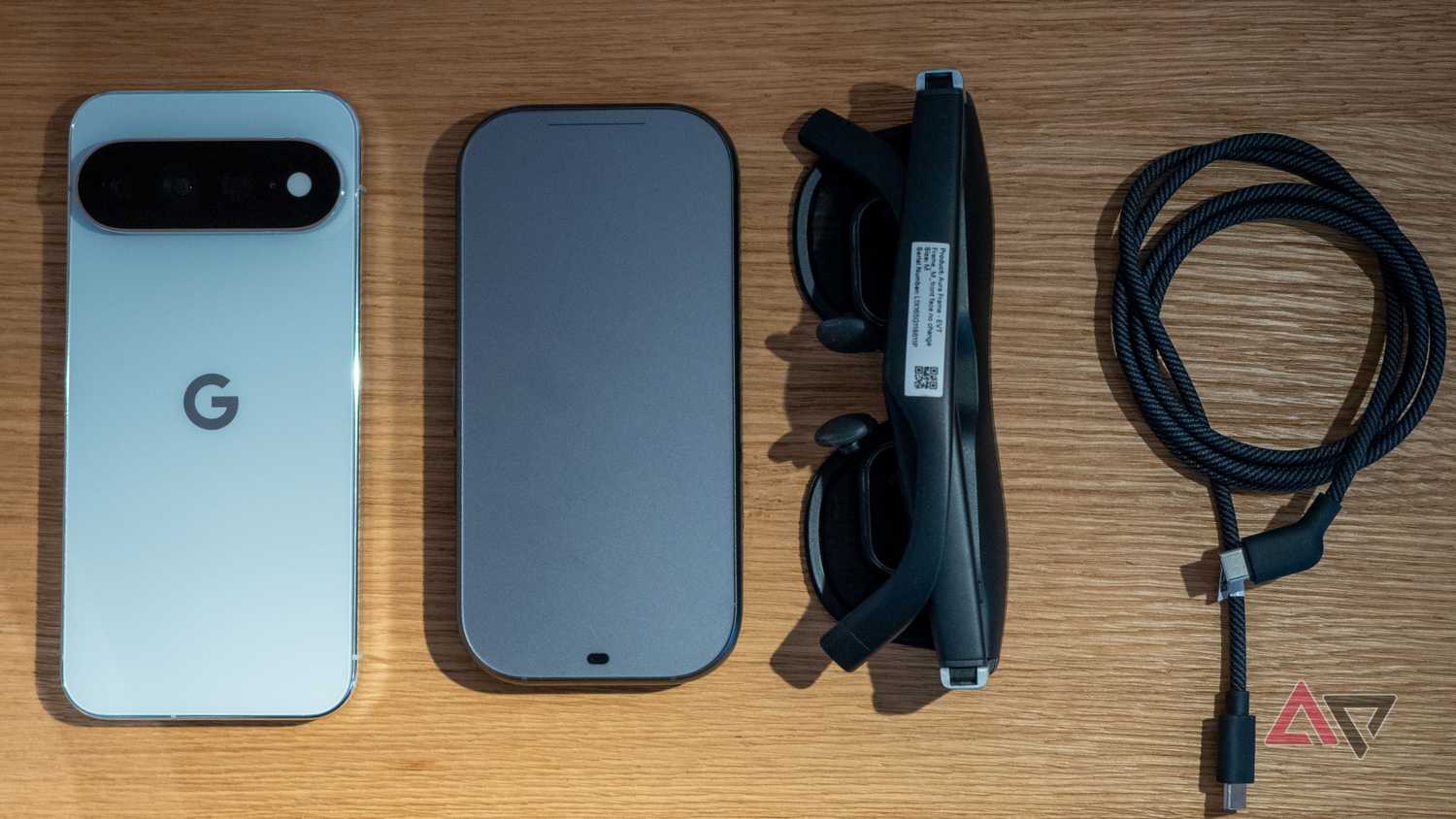
Google also outlined several additional privacy safeguards built into Android XR smart glasses.
Notably, Play Store apps for Android XR glasses will be banned from using the cameras for real-time facial recognition or live-streaming. That means only the native apps will support this, allowing Google to apply these privacy-based features.
Furthermore, developers won't be allowed to disable or tamper with the , which alerts people nearby by lighting up whenever the glasses are recording.
Google has also built anti-tampering protections into the indicator. For instance, the camera won’t record when users cover or disable the indicator light. Each pair of spectacles will also include a dedicated physical switch that lets users quickly turn the glasses off when they’re not in use.

Google didn't say whether the system is 100% foolproof or whether there's still a tiny chance that some images and videos could slip through and reach its servers unblurred.
One notable example involved a Harvard student who modified Meta Ray-Ban smart glasses into a real-time facial recognition device. This proved that smart glasses like Android XR could potentially be misused for spying or surveillance.
Still, these measures have sort of addressed many of the privacy concerns surrounding smart glasses in recent years, especially with Meta’s Ray-Ban.
Android XR smart glasses can now be ordered

The first wave of Intelligent Eyewear glasses from Samsung feature a front-facing 12MP ultrawide camera, built-in speakers and microphone, and up to nine hours of battery life between charges, but the battery can be topped up several times using their case.
Preorders are already open, with pricing starting at $395. The glasses are scheduled to begin shipping in the United States and South Korea on December 10, 2026.