If you own a Samsung, OnePlus, or Motorola phone, you may know the drill. Google announces a new Android update, and within days, Google Pixel owners are posting screenshots of the new features.
You settle in to wait. But those updates could take months to come. Sometimes the feature you were excited about never arrives at all, because it didn't make it into your manufacturer's version of Android.
This month, that gap feels especially wide. On November 10, Google began rolling out the stable to Pixel phones, about a month earlier than the usual December window. It shipped alongside the November Pixel Drop and security patch.
That one download brings a custom color picker, a reworked status bar settings page, Auracast-powered voice broadcast, and fixes to more than 200 security bugs.
It isn't only the newest flagships getting this treatment, either. Every Pixel back to the 6a, a phone released in 2022, is eligible for the update. So the question is, do you really have to switch to a Pixel to enjoy that special treatment?
A month early after a long runway
Google's update timeline is great news for Pixel users
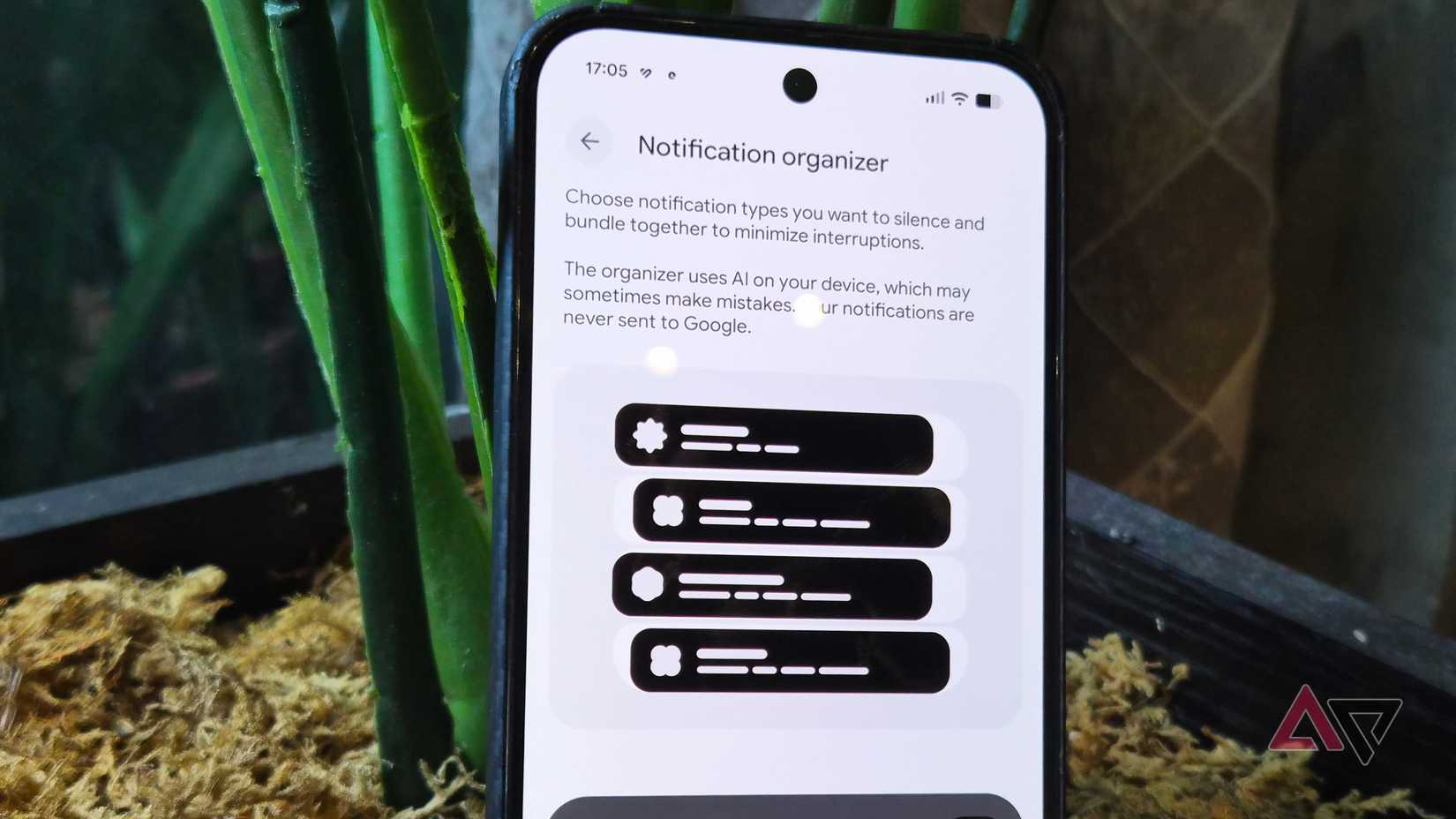
The QPR2 update was expected to hit the scene in December, but here we are. Although this version wasn't developed from scratch, QPR2 Beta 1 reached Pixel users as far back as July 20. Further betas followed; Beta 7.1 appeared in October, a week after the last preview version, with no user-facing changes. By then, tests for QPR3 had begun.
After all milestones are in order, it'll be easier to see the full picture of the schedule. First, Android 17 launched on June 16, 2026. Then, QPR1 launched on September 15. And now we have QPR2 in less than two months. Also, with the Google November Pixel update.
QPR2 is the system update that brings core system functionality and APIs, while Pixel Drop adds features made only for Pixel devices. This month, both arrived together.
For customers using the beta version, transitioning is easy. All you do is leave the beta and install the update without losing any data.
Why Google keeps beating its own schedule
A new way of building Android
A couple of years ago, Google changed how it builds Android, moving to what it calls trunk-stable development. Every engineer now works on one shared branch of code, and new features are switched on with flags when they're ready.
That change gave Google the confidence to ship updates faster and more often without breaking things.
Starting with Android 16, Google moved its major release from the third quarter of the year to the second and added a minor release with new developer APIs in the fourth. Its stated goal was to line up with device launches, so more phones would get new Android versions sooner.
Google hasn't said why QPR2 arrived a month earlier than usual, but it's clear who benefits first. Pixels are the only Android phones where Google controls the hardware, the software, and the update pipeline, so they're the only ones that can get a release the day it's finished.
Every other manufacturer has to merge Google's code into its software, test it on its own devices, and often get carrier approval before you see anything. The faster Google moves, the bigger the Pixel's head start gets.
What Pixel owners are actually getting
The features giving the Pixel the upper hand

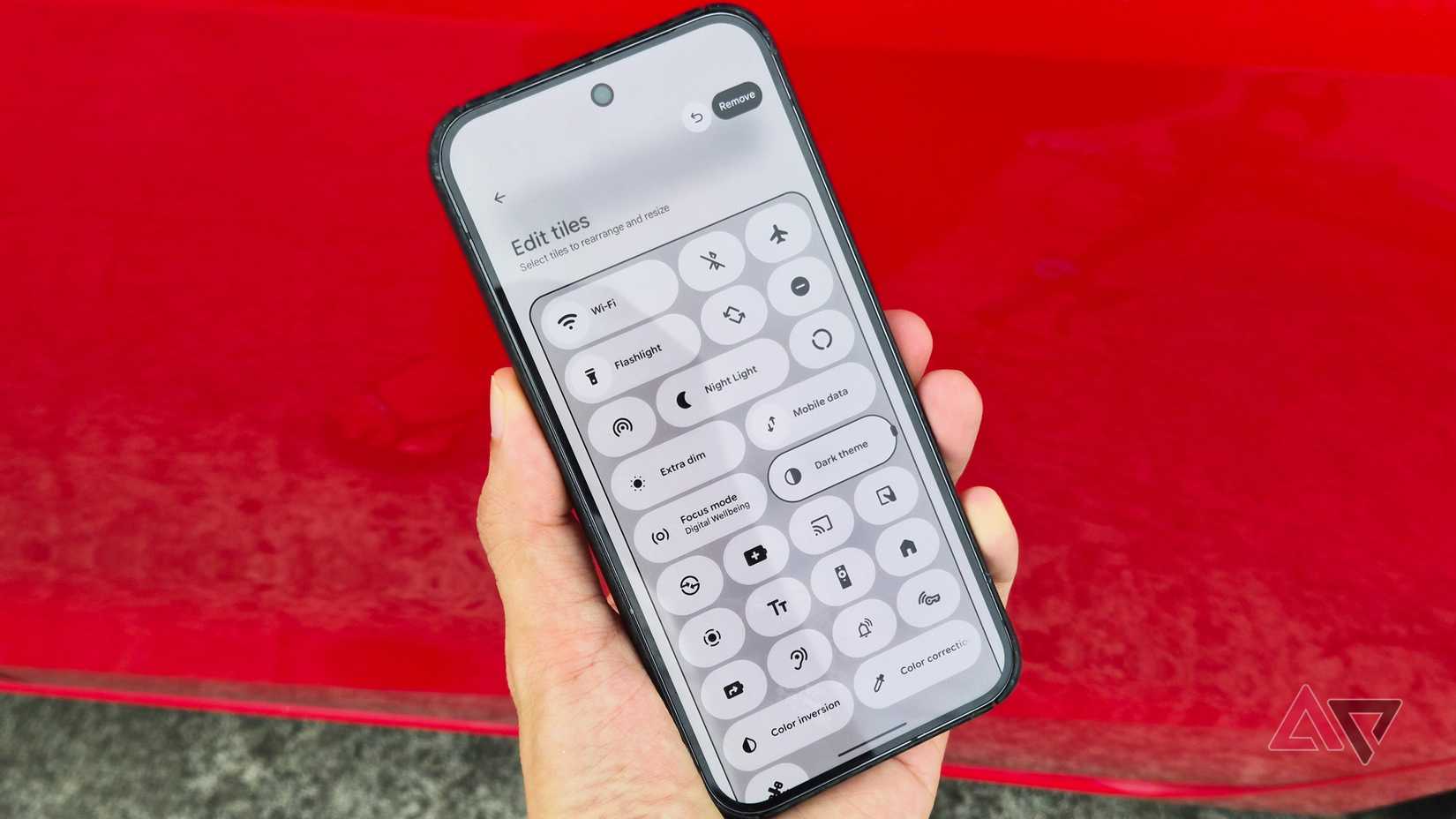
A major change for the Pixel in Android 17 QPR2 is the new theming experience. With the new color picker in Wallpaper & Style, you now have more options to explore, with four intensity levels: Bold, Bright, Soft, and Neutral.
Depending on the system theme, compatible options are also available in both Light and Dark versions.
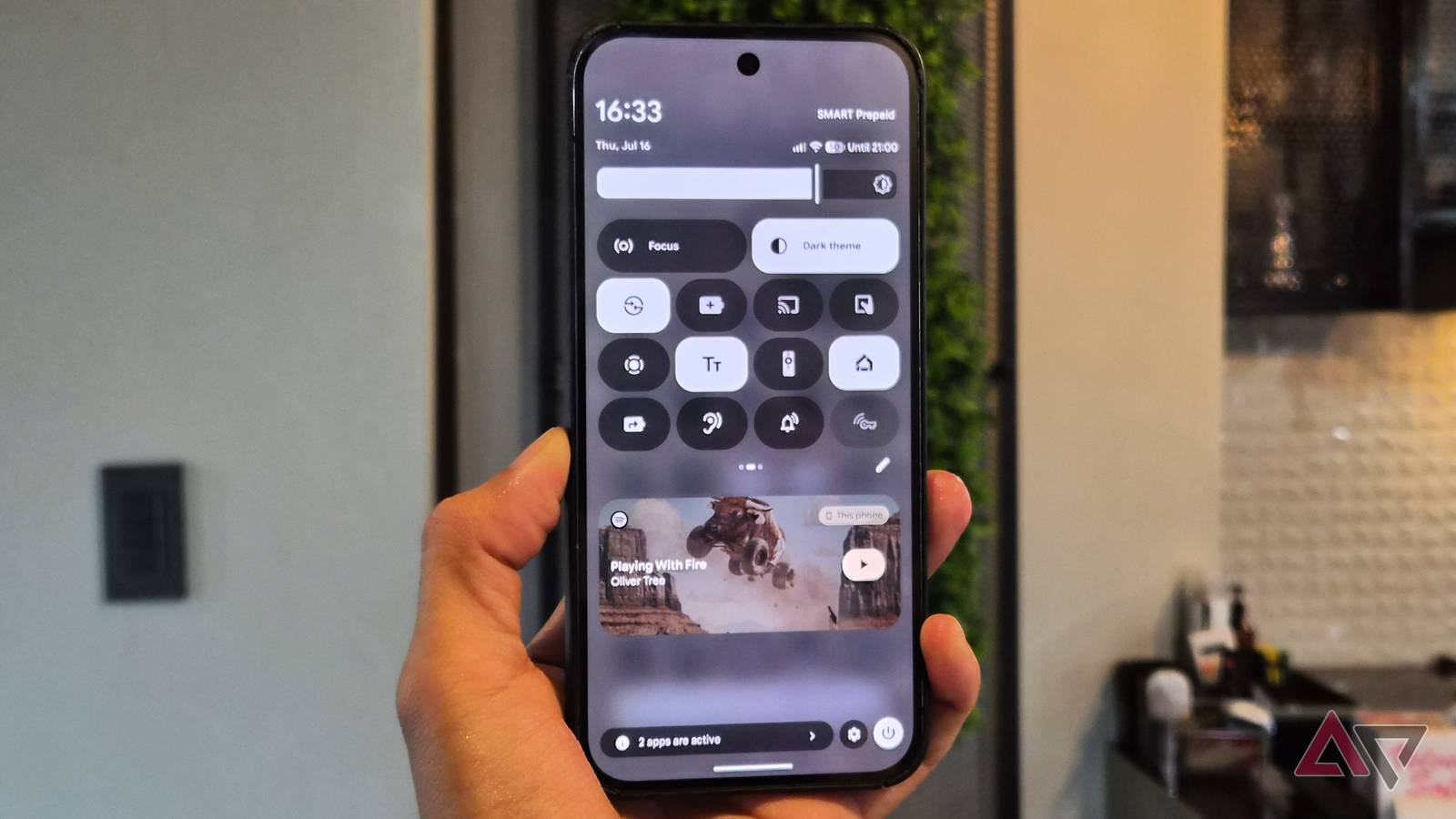
The recent update also improved the status bar's limited functionality, adding more options to adjust. You can now choose whether to display all notifications, priority notifications, or none at all.
You can also turn vibrations and on and off individually.
As for the voice broadcast feature, Google still describes it as a preview. This feature broadcasts your phone's microphone (or connected headphones) wirelessly, transmitting your voice to nearby devices using . Think of it as a mini public-address system.
Foldable owners will get a window handle to drag apps around in full-screen, split-screen, and floating-bubble modes. Pixel 11 Pro-series owners can even get the rear light to glow when their favorite contacts text them (my personal favorite).
Security fixes, bug fixes, and how far support goes.
In November, the patch covered over 200 Android bugs in two patch levels, including 166 bug fixes for Pixel devices. As Google noted, the critical bug addressed this month is a framework flaw that enables remote code execution without any user action.
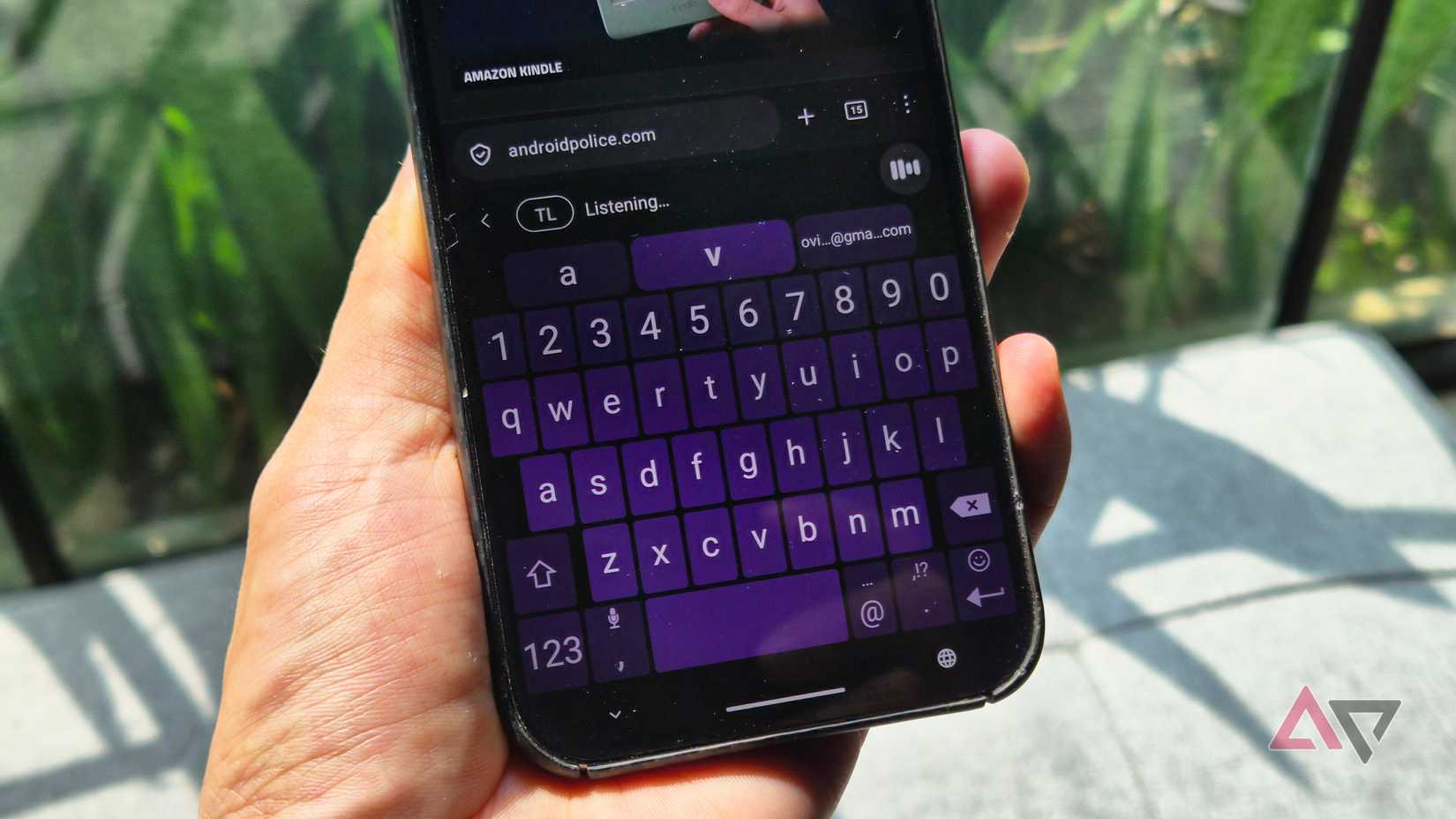
Some minor problems were also fixed. Functional fixes include missing keyboards in the search bar, spontaneous increases in media volume while using voice commands, charging icon fidgeting when the device isn't connected, and stuttering scroll.
The new fix also boasts broad coverage across devices. QPR2 supports 23 devices across six Pixel families, from the Pixel 6a up to the latest Pixel 11 model. It's a real plus for anyone who likes to use the same device for years, and that's right up my alley.
The gap Samsung can't close
What this means if you're not on a Pixel
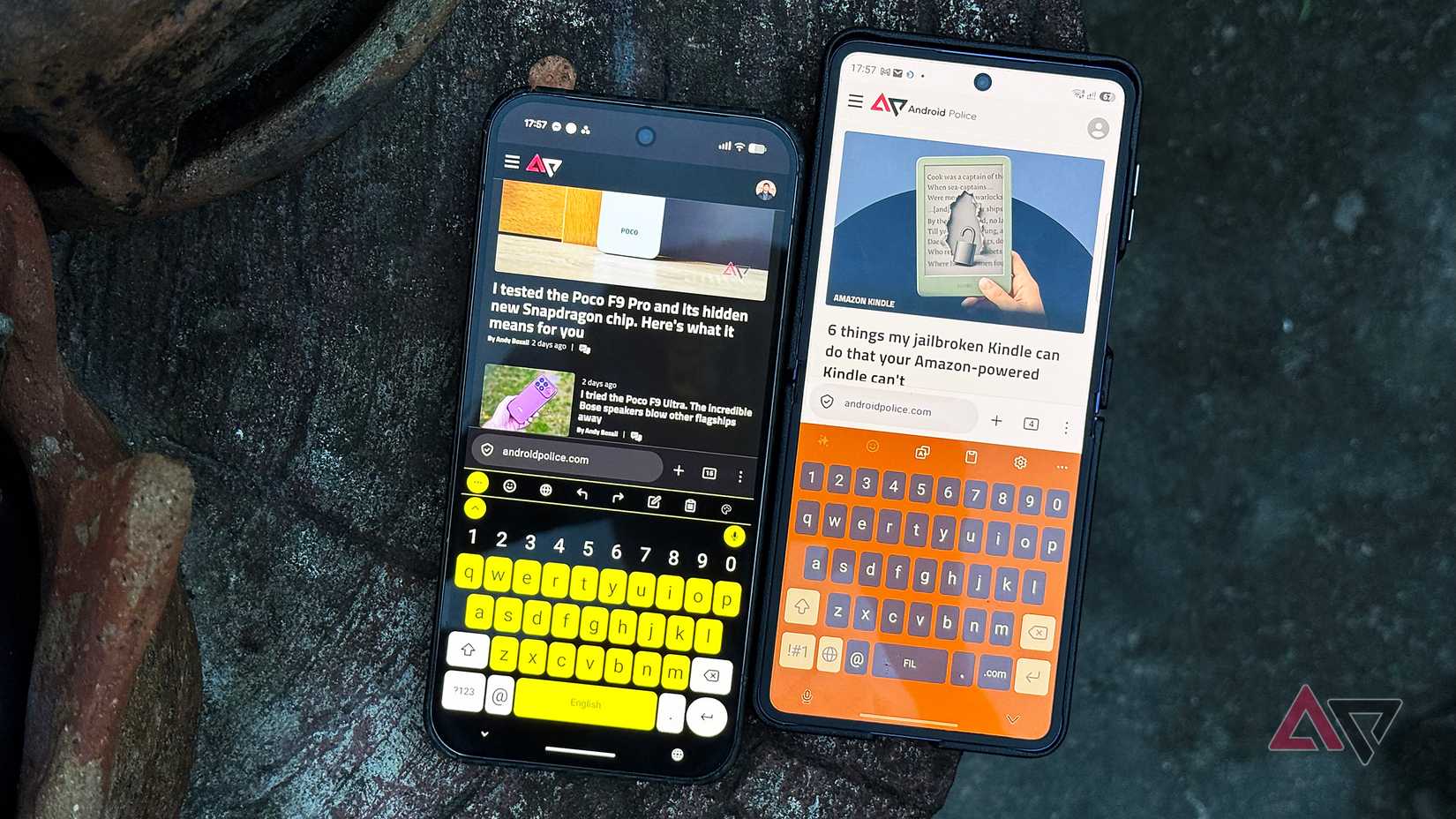
The features Pixel owners just got won't stay with Google forever. QPR2 is a platform release, so its code eventually makes its way into other manufacturers' versions of Android. For Galaxy owners, that version is One UI 9.5. It's expected to be built on Android 17 QPR2 and to arrive with the Galaxy S27 series in early 2027.
Samsung opened the One UI 9.5 beta on November 17, a week after Pixels got the finished update. It's limited to the Galaxy S26 series; it's still a beta, and Samsung hasn't said when the stable release will arrive. Its announcement focuses on camera controls, health tools, and App Lock, not the theming and status bar changes Pixel owners just got.
Last year shows how long the wait can be. Google released Android 16 QPR2 to Pixels on December 2, 2025. Samsung's version, One UI 8.5, opened as a beta six days later. The stable version didn't start rolling out until May 2026, and only to newer, high-end Galaxy phones at first.
If that's anything to go by, Google will have already moved on by the time One UI 9.5 reaches Galaxy phones. Pixel owners are testing , which is due in March 2027.
Ultimately, every other manufacturer works from code Google has finished, on a timeline Google sets. They can shrink the gap, but they can't close it. There might be only one way to get Android's newest features the day they're ready: get a Pixel.