Jason and Lucia’s crime-heavy love story fuels a wonder of digital urban simulation.
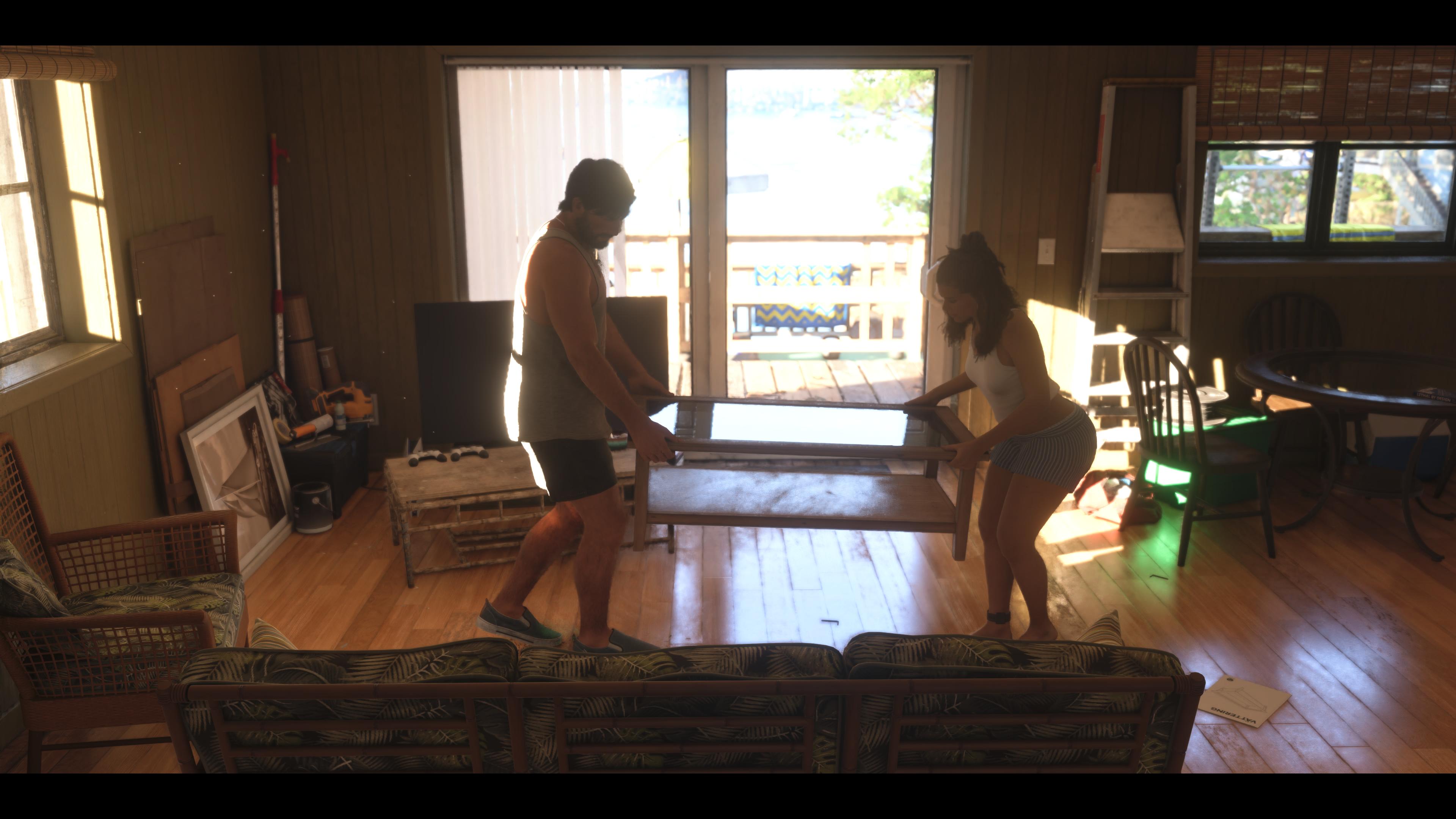
Just a minute ago, I was shooting my way out of a cocaine deal gone wrong, darting behind furniture for cover. Now I’m sitting on the floor of my home, working through the instructions to construct an Ikea-style coffee table with my partner. A tiny heart with a plus sign pops up, showing that our relationship is stronger for this quotidian domestic effort.
This is the contrast at the heart of Grand Theft Auto VI, a game that seems to revel in both action movie bombast and the mundanities of everyday life for an up-and-coming young criminal couple.
The reimagined and expanded Vice City is still the grand, crude, satirical criminal playground you’d expect after 25 years of 3D Grand Theft Auto games. And that world is as full, detailed, technically impressive, and polished as you would expect after this latest installment received a reported billion-dollar budget and roughly a decade of development work involving thousands of Rockstar staffers.
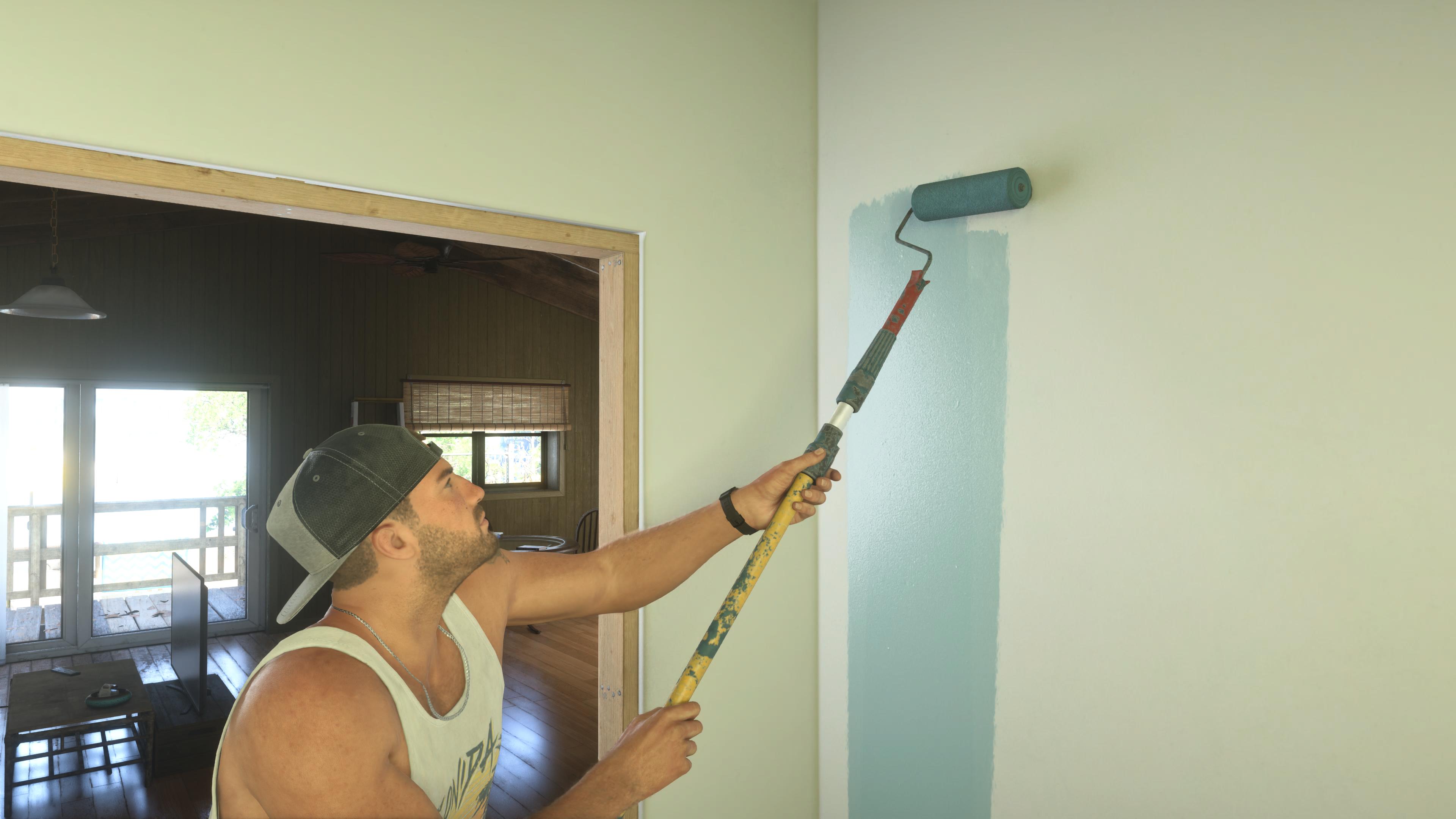
But it’s the scenes between the over-the-top and somewhat repetitive action scenes that really make this Grand Theft Auto stand out. Almost every explosive gunfight or high-speed car chase is counterpointed by a sublimely dull, lightly interactive moment of mere routine existence: grilling burgers with pals by the water, playing fetch with a random dog, helping a neighbor tune up a car, or joking around over 18 holes of mini golf.
Taken together, the juxtaposition lends a sense of surreal hyperreality to the goings-on in Vice City and its environs. Each of the game’s two sides gives the other a chance to breathe, forming a series of emotional peaks and valleys that stretch across a truly gargantuan amount of detailed simulation and pure gaming content.
Grand Theft Auto VI never lets you get too settled with a budding life of crime or a budding family life. And it’s all the better for it.
The couple you love to love
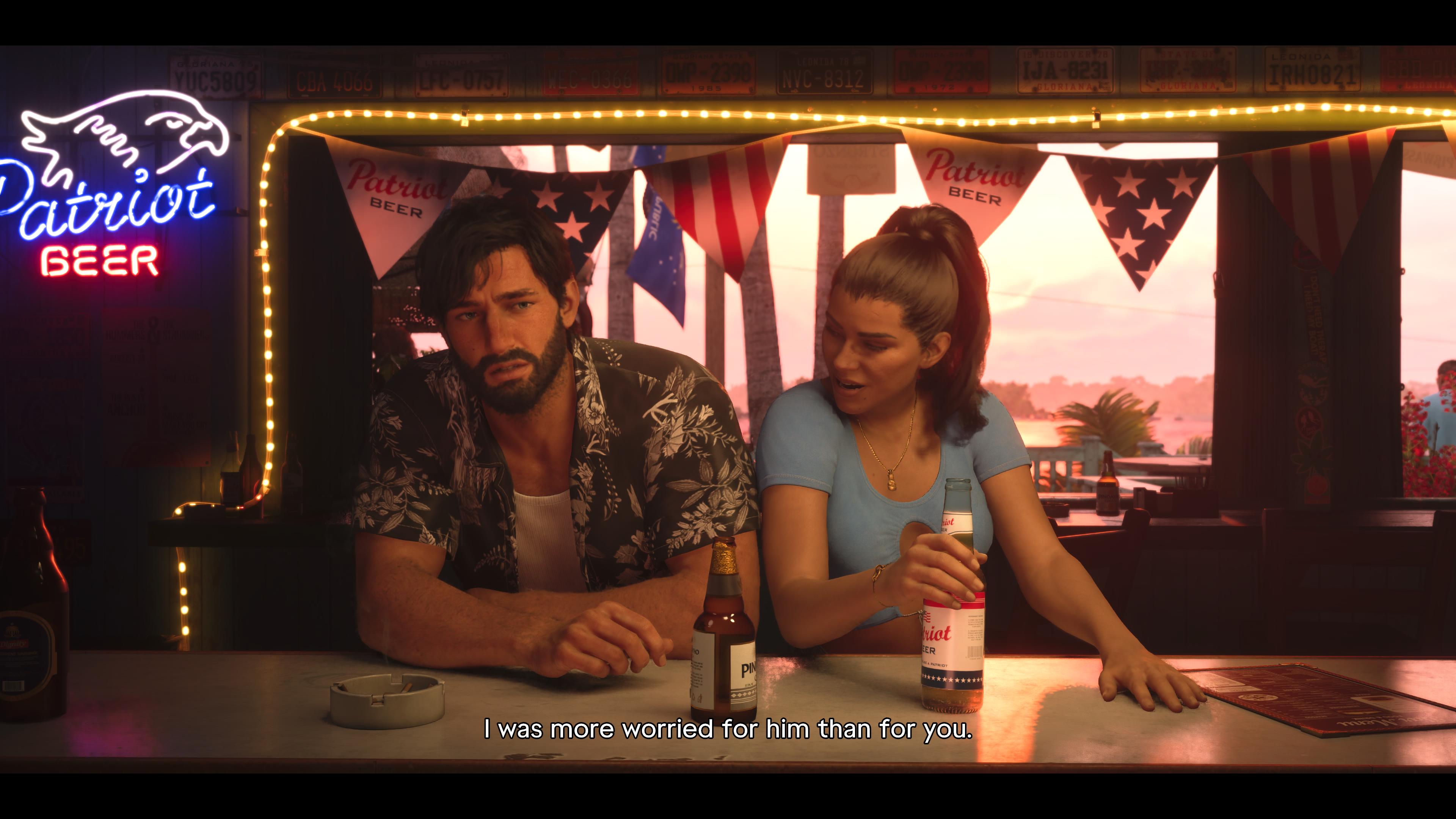
A large part of why this works so well is Jason and Lucia, the dual protagonists whose relationship drives the story. While that relationship starts off a bit awkwardly—thanks chiefly to Lucia’s brief prison stint—it quickly develops into a true criminal and life partnership. Both sides of the relationship are driven by a mutual desire to move up in the criminal world and eventually settle down to a legit family life, if they can just earn enough from the next big score.
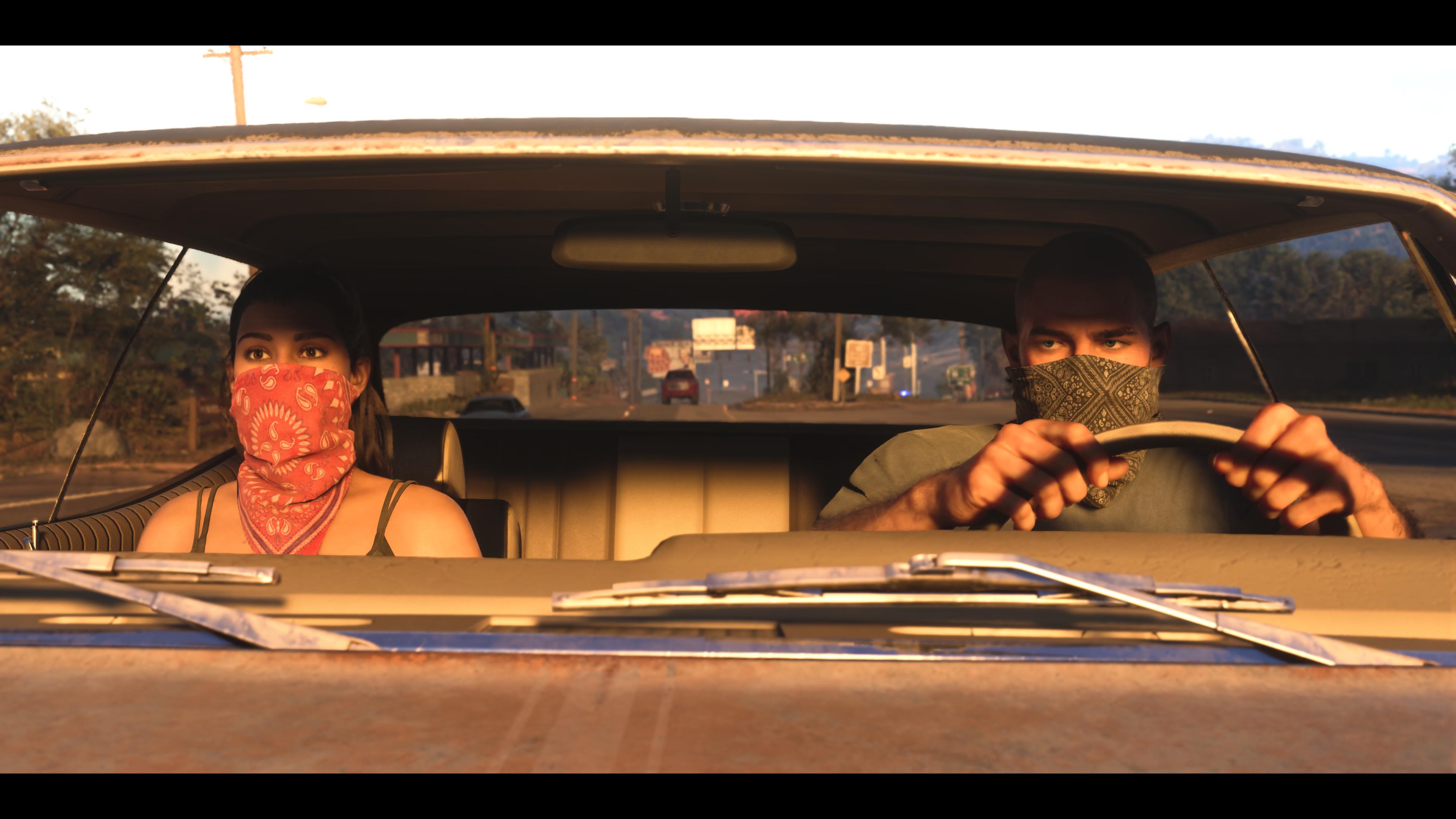

Of the two, Jason is definitely the duller partner. An ex-military meathead with a ripped body and a dull, affect-free vocal delivery, a decent chunk of Jason’s lines essentially boil down to “Yeah, sure, that’s fine.” While the game struggles to expose a bit of a tender and thoughtful side hiding underneath Jason’s cool demeanor, the writing can’t quite break through the emotionless masculine facade that Jason wears as a semi-permanent mask.
Lucia is much more interesting as a vivacious and amiable Latina eager to grab any opportunity presented to her. The game takes some time to dig into the difficulties of Lucia’s underprivileged youth and highlight her strained relationship with an unreliable mother, helping to add some important depth to her chip-on-her-shoulder journey of self-improvement. And even the boring Jason seems that much more appealing seen through the lens of Lucia’s good-natured teasing and genuine affection.
While Jason and Lucia can and do operate independently—and the game lets you change between them frequently—it’s their moments of togetherness that really stand out. There’s an easy, rom-com comfort to their time together, whether they’re discussing their future on the couch (“I feel like I haven’t done anything normal in a minute”), taking some time for quick romance (the game cuts away before things get too hot and heavy), or laying down covering fire for each other during a firefight (the lack of a co-op mode for these missions feels truly baffling).
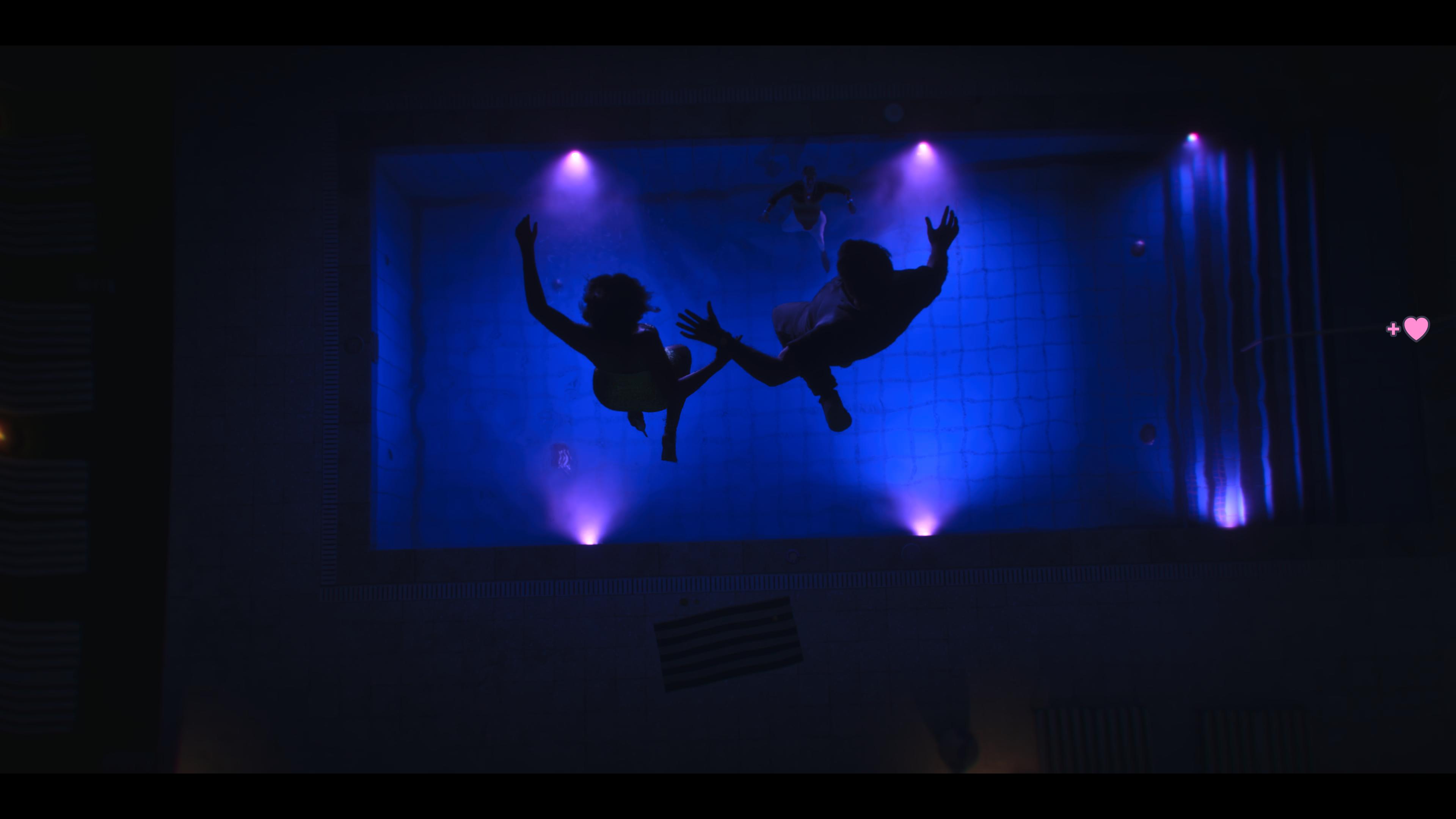
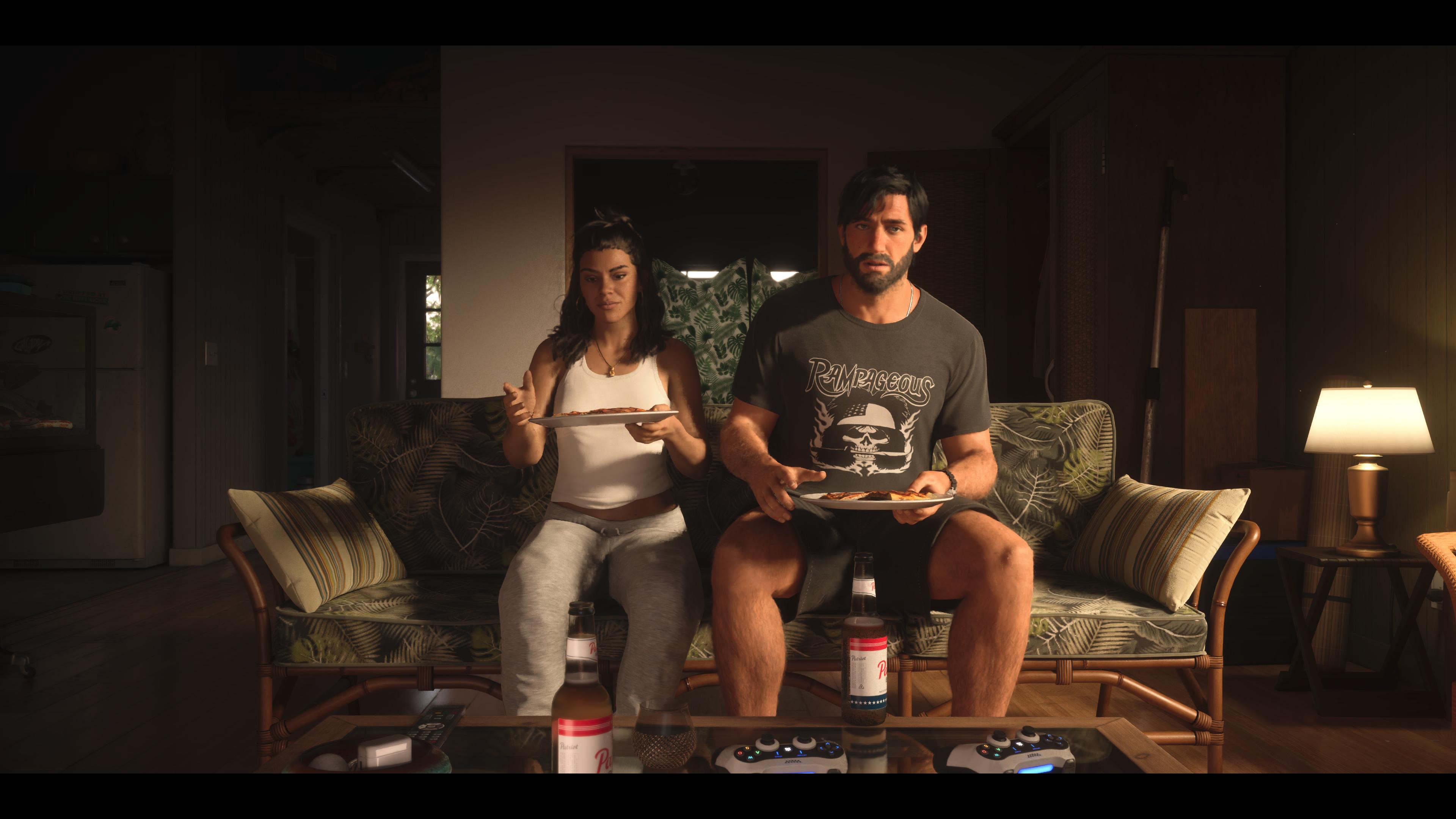
There’s a minor relationship simulation component to the game, with a simple “heart level” that can rise or fall based on some basic decisions. Don’t expect a lot of dating-sim style drama, though; as long as you make the completely obvious choices when they’re presented, it’s hard to let the relationship fall apart. That’s a good thing, too, because this is a relationship that’s easy to root for, even when the participants are literally getting away with murder.
Hitting and missing
In true Grand Theft Auto fashion, Jason and Lucia’s particular way of chasing The American Dream is through a life of crime. Their travels through the criminal underworld start off kind of slow, as Lucia’s begging gradually compels Jason to reluctantly introduce her to the two-bit operators with which he’s found himself involved.
For the first half of the game, the pair are constantly interacting with a rogues’ gallery of new criminal acquaintances, each more over-the-top than the last, and all of them having specific needs that somehow only Jason and Lucia can fulfill. Many of the missions these small-time crooks have on offer end up feeling like the criminal equivalent of errands—drive here, take that, lose the cops, repeat.
And while a few standout characters develop complex interpersonal relationships with Jason and Lucia over multiple missions, most of these early side characters feel like one-note caricatures that can be distilled to a few tropey traits.
It isn’t until the back half of the game that the main storyline really starts to focus on what it does best: integrating Jason and Lucia into a persistent ring of professional criminals working toward bigger and bigger scores. Here, the missions build on each other, with characters going undercover, casing targets, and learning new skills that eventually come together in some truly tense and bombastic heists. These missions also do the best job of showing off the dual protagonist system, frequently shifting the perspective between Jason and Lucia to highlight their different skills and views on how things are going down.
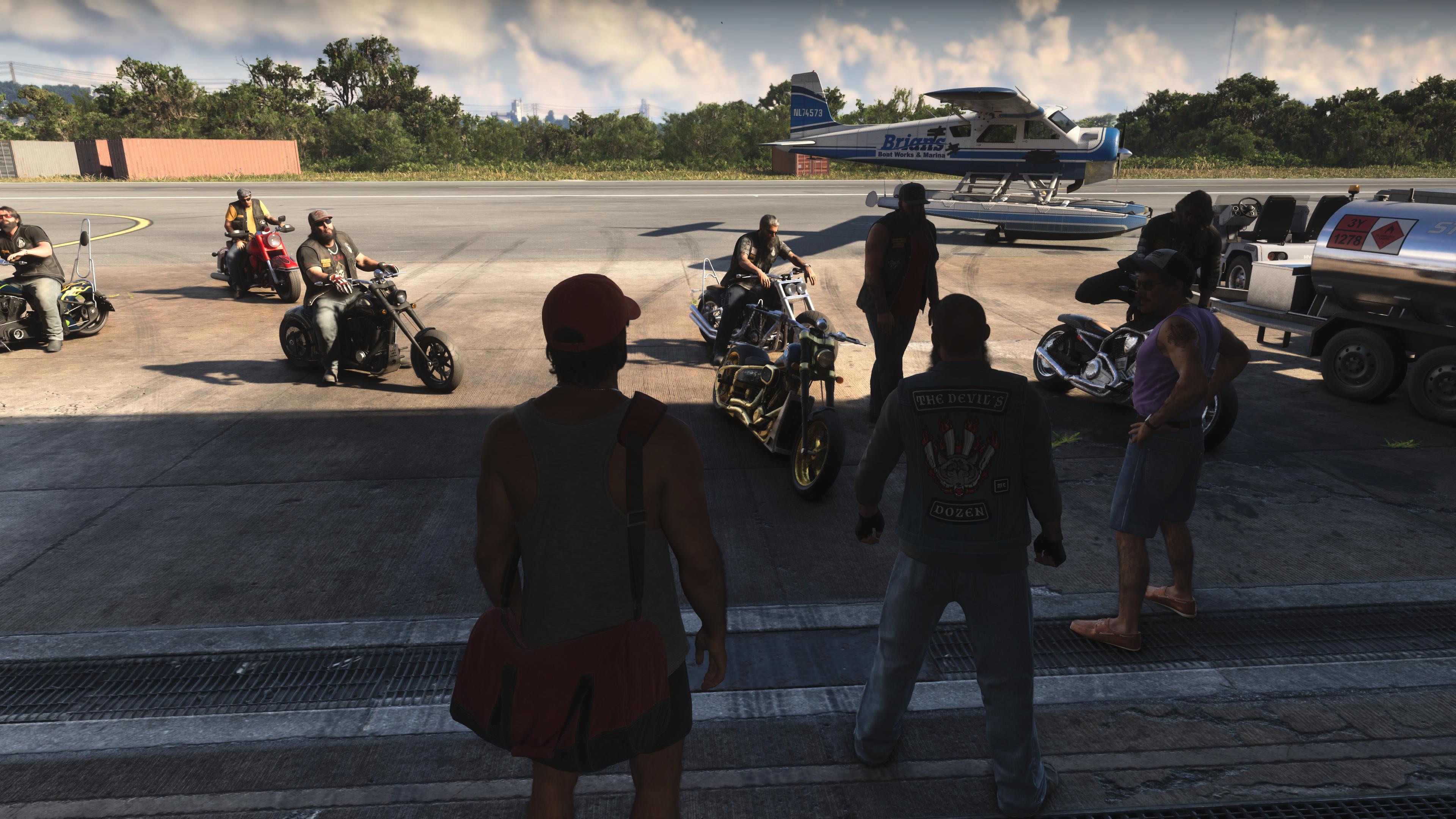
Outside of this core plot, though, many of the missions and side stories in GTA VI make Jason and Lucia feel like side characters in their own story. I found myself beginning to tune out during some of the many missions in which one or both protagonists serve as glorified security props or overpaid getaway drivers amid other characters’ contrived turf wars. And even dozens of hours into the game, there were still missions that felt like tutorials, seemingly built around the opportunity to introduce some new simulation system or control scheme.
Through it all, the game can’t seem to totally shake the style of sophomoric humor that feels a lot less “edgy” today than it did when Grand Theft Auto III hit back in 2001 (for players who are old enough to remember that release, at least). There are countless extended bits where the entire joke seems to boil down to “Man, kinky sex is weird, isn’t it?” or “Hey look, it’s a male penis (or something that looks similar to one).” And the game seems to take particular pleasure in forcing Jason into uncomfortable situations with plenty of T&A, much to Lucia’s good-natured bemusement.
A word of warning for parents: This is a game that definitely earns a hard “M for Mature” rating and shows how standards for that rating have shifted since earned an AO re-rating for hiding a single sex scene amid its legacy code.
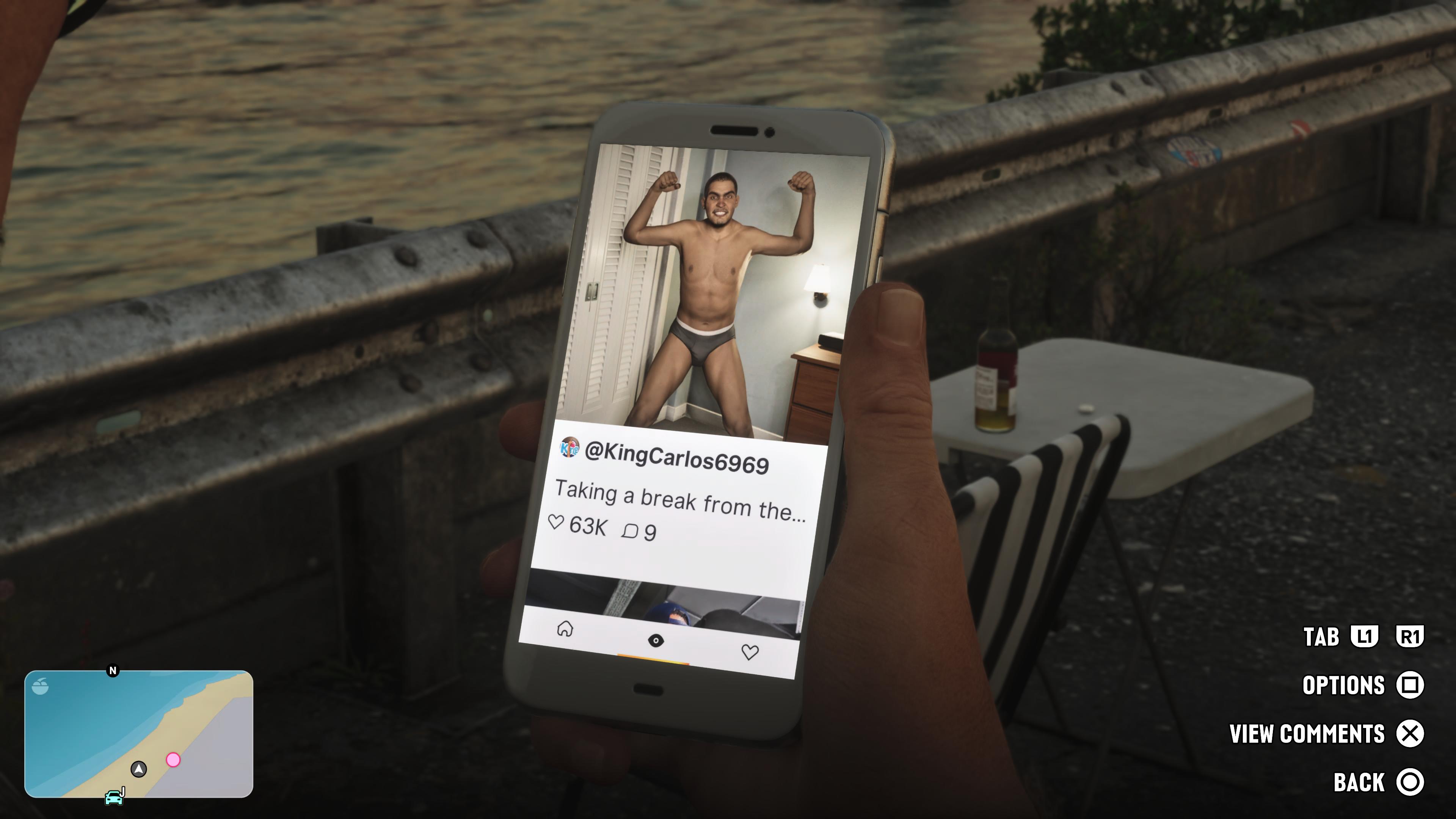
There are moments where GTA VI’s satire cuts a bit deeper. I especially liked a couple of side stories that skewered buzzword-spewing crypto bros and multi-level marketing schemes with some welcome over-the-top excess. Overall, though, the game’s warmed-over one-liner takes on “wokeness” felt about as fresh as jokes about mothers-in-law and TV dinners, without much in the way of thought-provoking statements on society as a whole in 2026.
What do you want to do?
Grand Theft Auto VI has a gift for finding excuses to lure you into an expertly designed space and then throwing together a reason for why you have to shoot/punch your way out. That might sound snarky, but I actually mean it more or less sincerely; I was frequently surprised by the scenarios the writers dreamed up to turn what seemed like a routine trip to some beautiful locale into a firefight with way more armed goons than seems strictly necessary.
The moment-to-moment shooting will feel very familiar to Grand Theft Auto fans, by which I mean it’s dead simple to hide behind convenient cover and pop up to pick off relatively stupid enemies one by one with a dizzying array of available weaponry. The rare enemies that do manage to flank you seem to have incredibly bad aim, even at close range, and both Jason and Lucia can take a whole lot more punishment than the average quick-to-crumble grunt.
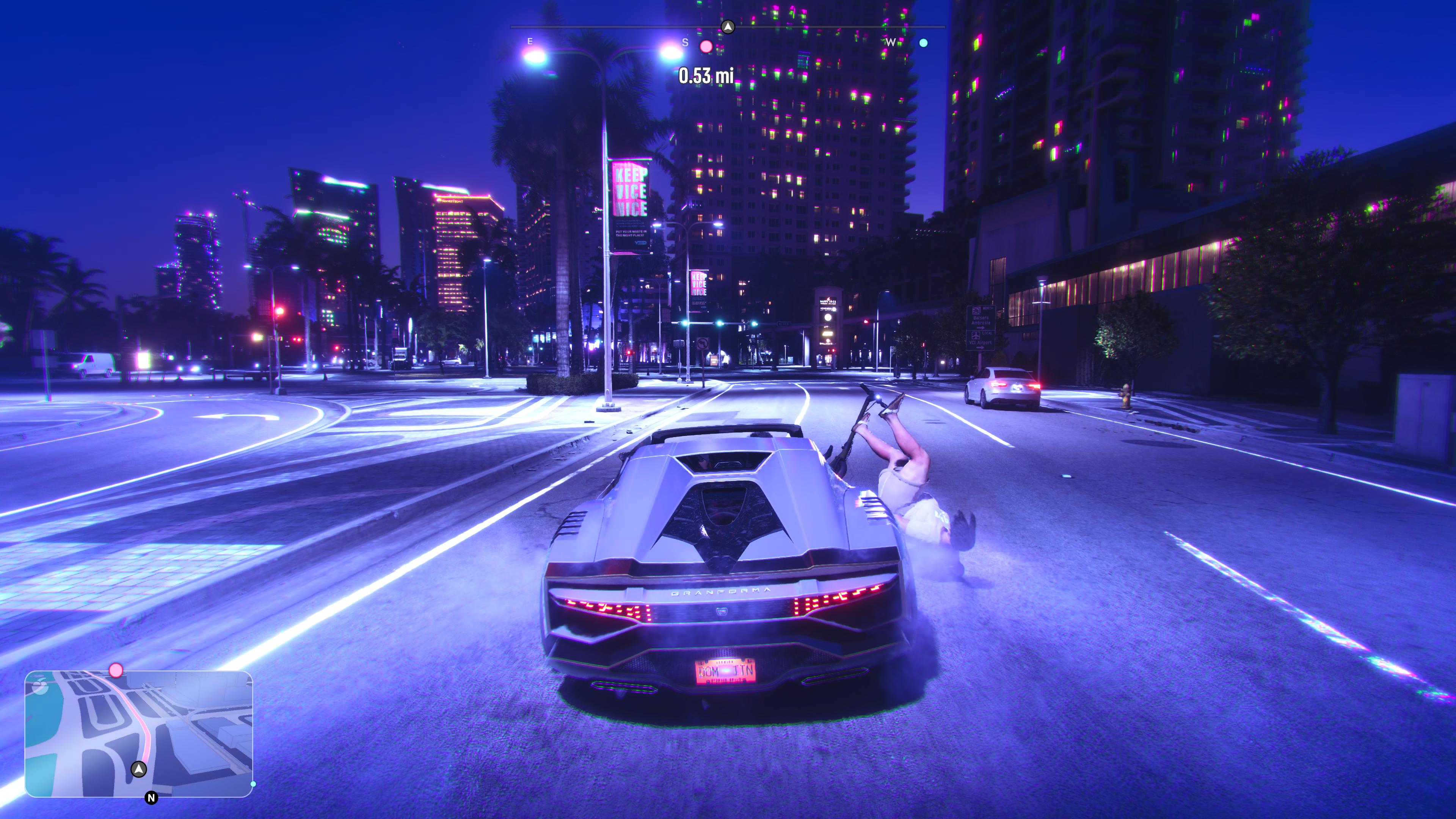
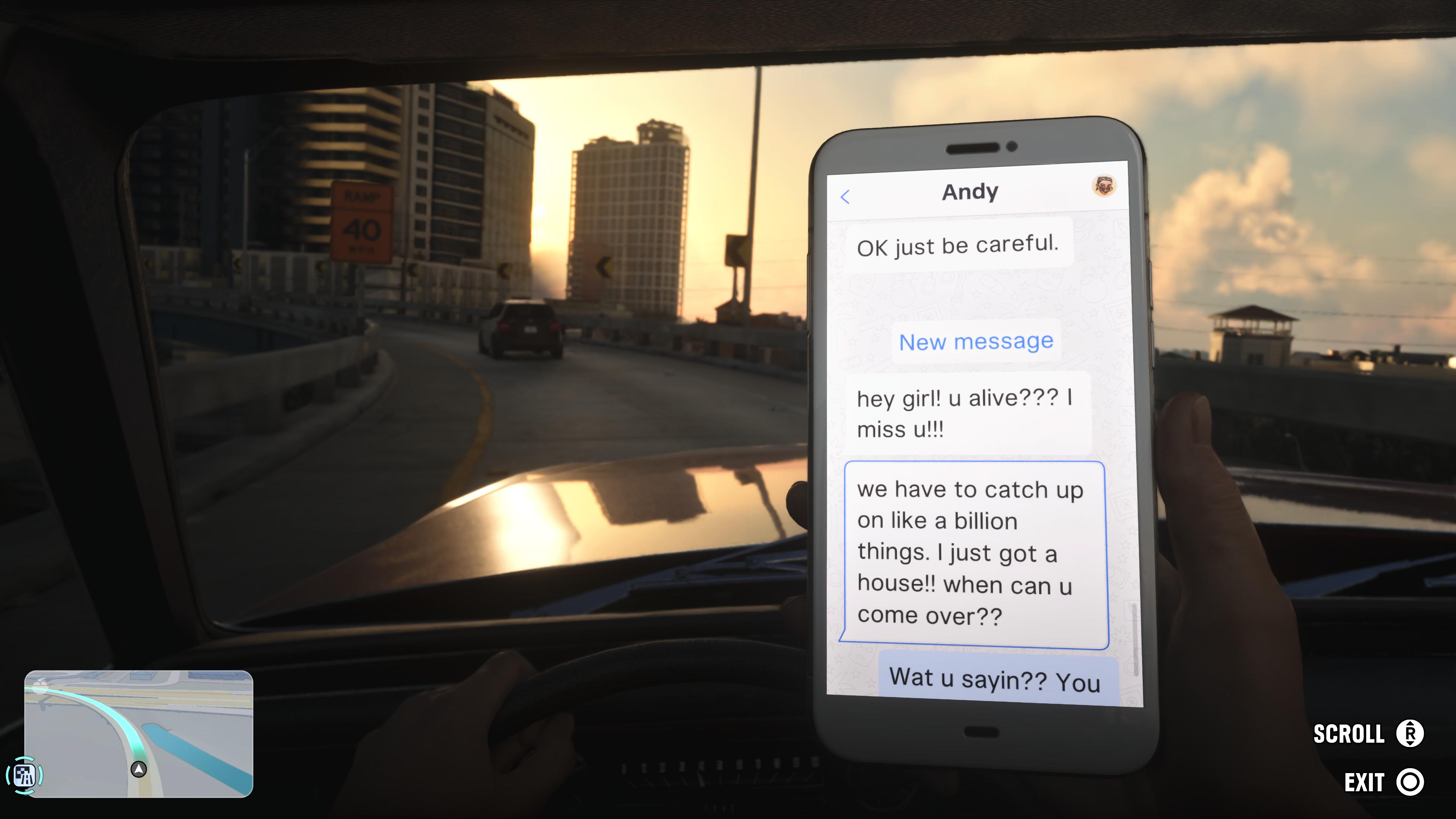
Driving around town is significantly more exciting—you’ll be darting between cars in heavy traffic to chase down antagonists, avoid the police, or simply get where you’re going faster. It’s still a blast to sample as many vehicles as you can, from zippy but easy-to-wreck sports cars to tank-like trucks that can plow through traffic, tiny motorbikes that can squeeze through tight spaces, and off-road vehicles that can explore off the beaten path.
Driving through the city also offers ample opportunities to get distracted from your main goals by dozens of side activities that dot the map. Even as I struggled to work through the story on deadline, I found myself getting sucked in for hours trying to master drone racing, chasing gold medals in countless mud-splattered rally races, or hunting for one of the many meditation spots hidden in out-of-the-way corners.
While most of these side activities offer money or improve character stats, some are simply there to be experienced. Completionists will have a bear of a time tracking down every single hidden collectible, rare car, robbable location, and beautiful landmark the developers have placed throughout the city. Grand Theft Auto VI seems set to be one of those games you can just load up to hang out in long after the main story missions are done.
A technical marvel
Even with a fast vehicle, much of that “hang out” time can be spent simply crossing the game’s massive map. Getting from the depths of the wilderness in the north to the tip of the keys in the south is a six-plus-mile trip (measured at an apparently real-world-accurate scale) that can take 10 minutes to weave your way across on a good traffic day. During these cross-city treks, the tenor of the city’s architecture morphs noticeably as you pass from rich gated communities through the glitzy skyscraper-laden downtown and on to downtrodden neighborhoods, backwoods swamps, and laid-back island beach communities.
As nice as Vice City’s outdoor architecture is, s interiors are where the game’s developers really show off. Practically every story mission seems to introduce a new cavernous indoor space that’s fully furnished and lovingly crafted to look naturally lived-in and also utterly unlike anything you’ve seen before. And while you can’t go into every one of the thousands of buildings you pass on the streets of Vice City, you can enter a surprisingly large number, each with its own distinct layout and decorations.
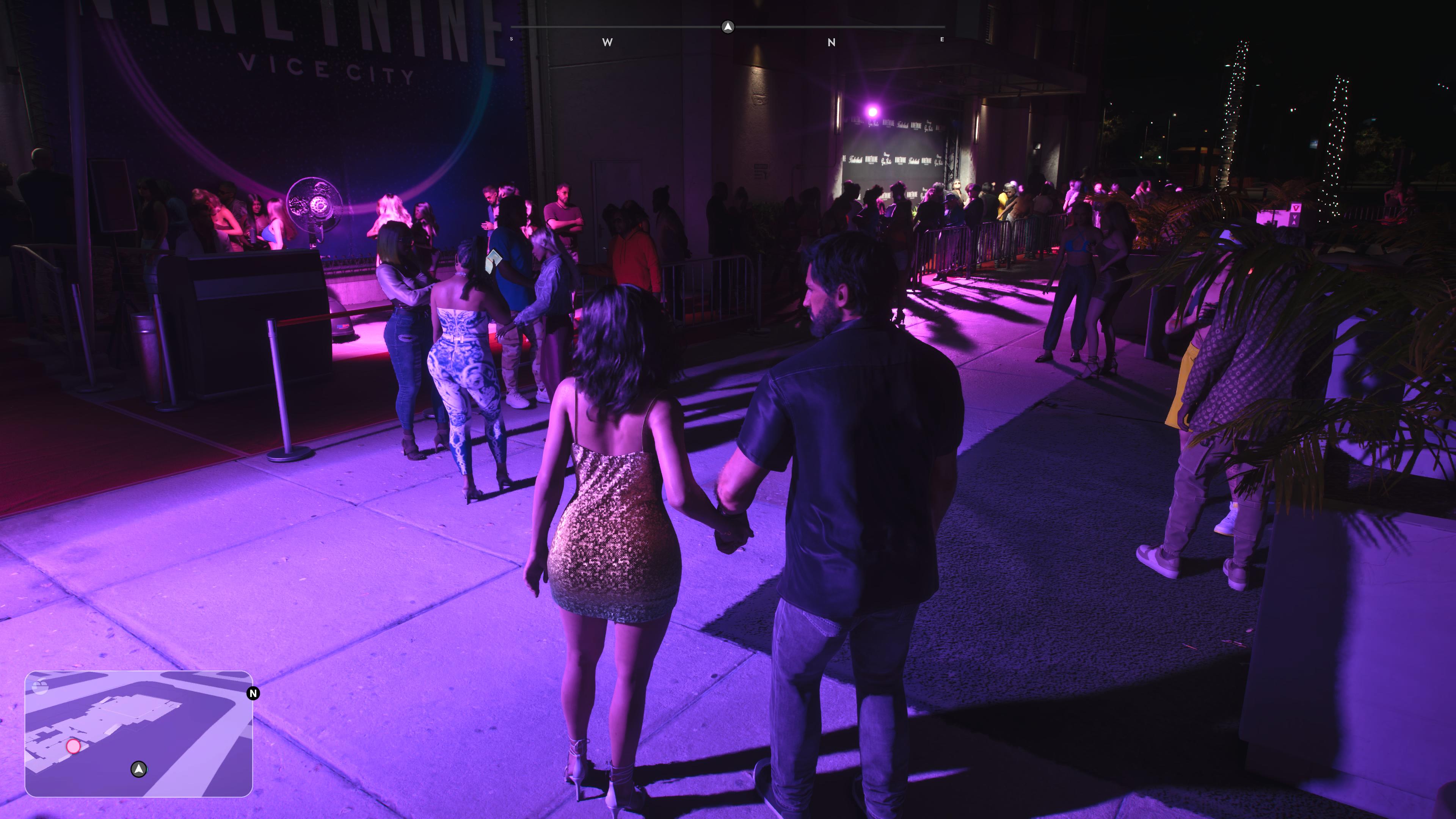
Another element that makes all these spaces feel lived-in is the game’s surprisingly detailed crowd system. Grand Theft Auto VI sometimes packs over a hundred non-player characters into a single space, with no two characters looking or acting alike in size, shape, dress, or animation. Working your way through these crowds can be integral to some of the game’s missions, but even when you’re just casually exploring, it’s fun to take advantage of eavesdropping opportunities, listening in on individual conversations that build into overlapping chatter (realistically muffled through walls and over distance).
Grand Theft Auto VI’s spaces also seem specifically designed to show off the game’s incredible lighting system, which really shines on a PS5 Pro. The effect is most apparent at night, when car headlights streaming through a window or the rotating blue-and-red of a cop car can cast the entire world in an otherworldly glow.
But even in “normal” lighting conditions, I’d occasionally find myself slack-jawed at the details: a laptop screen partially reflected in a character’s glasses, the way rotating pyrotechnic laser effects played across dancers in a crowded club, the fluttering shadows cast by a leafy tree near sunset, or the finger smudges visible on your cell phone in bright sunshine.
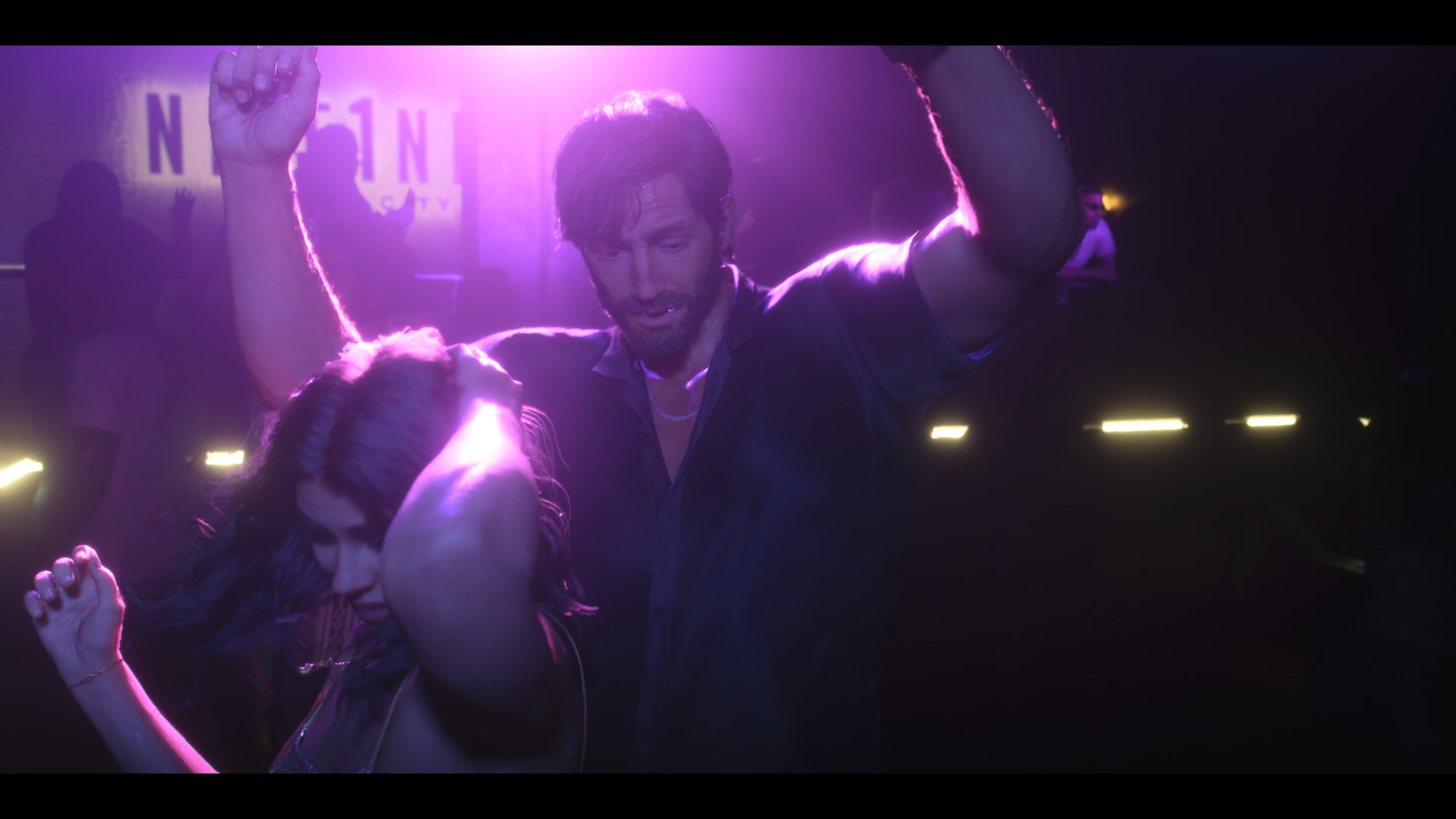
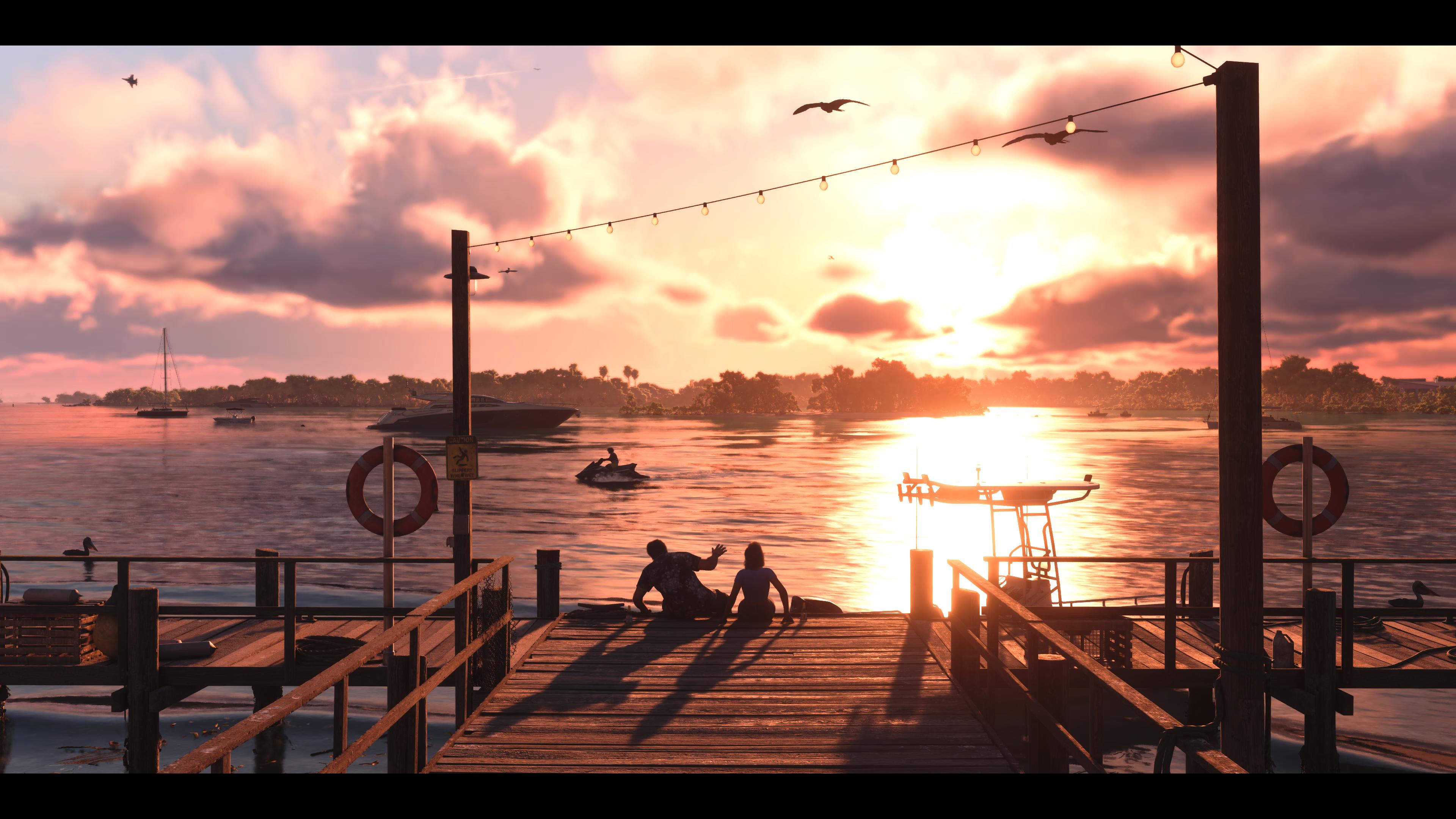
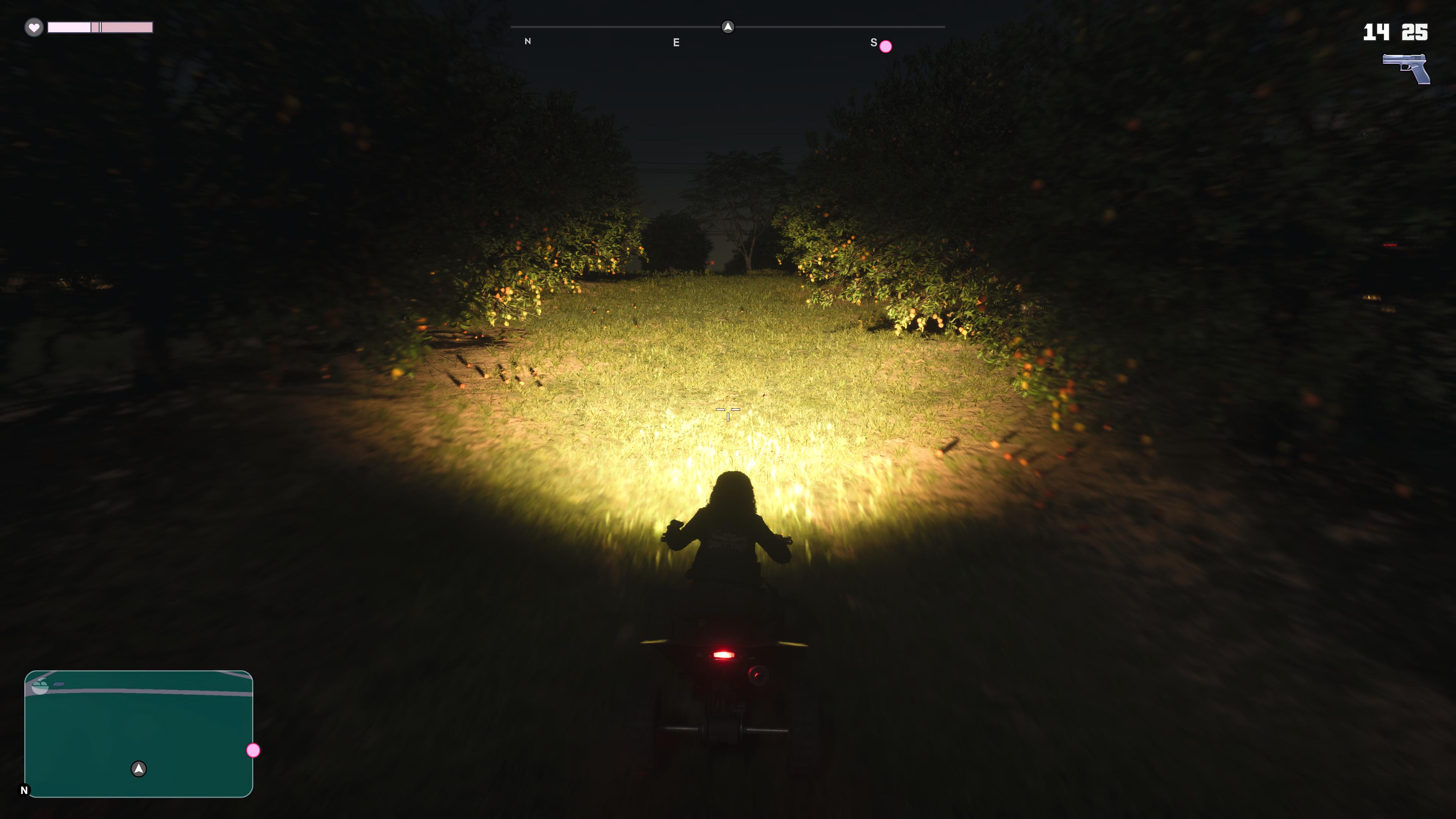
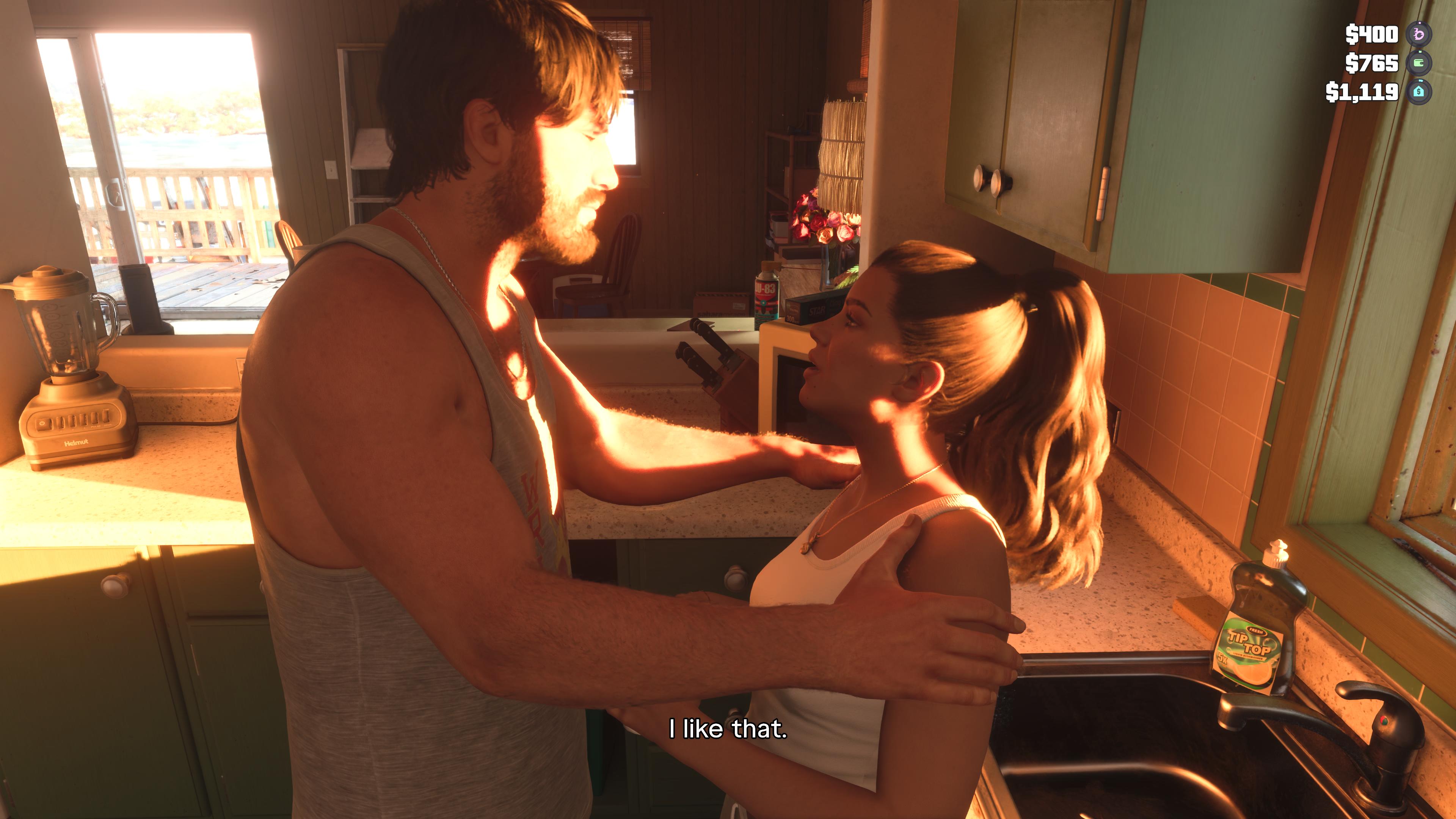
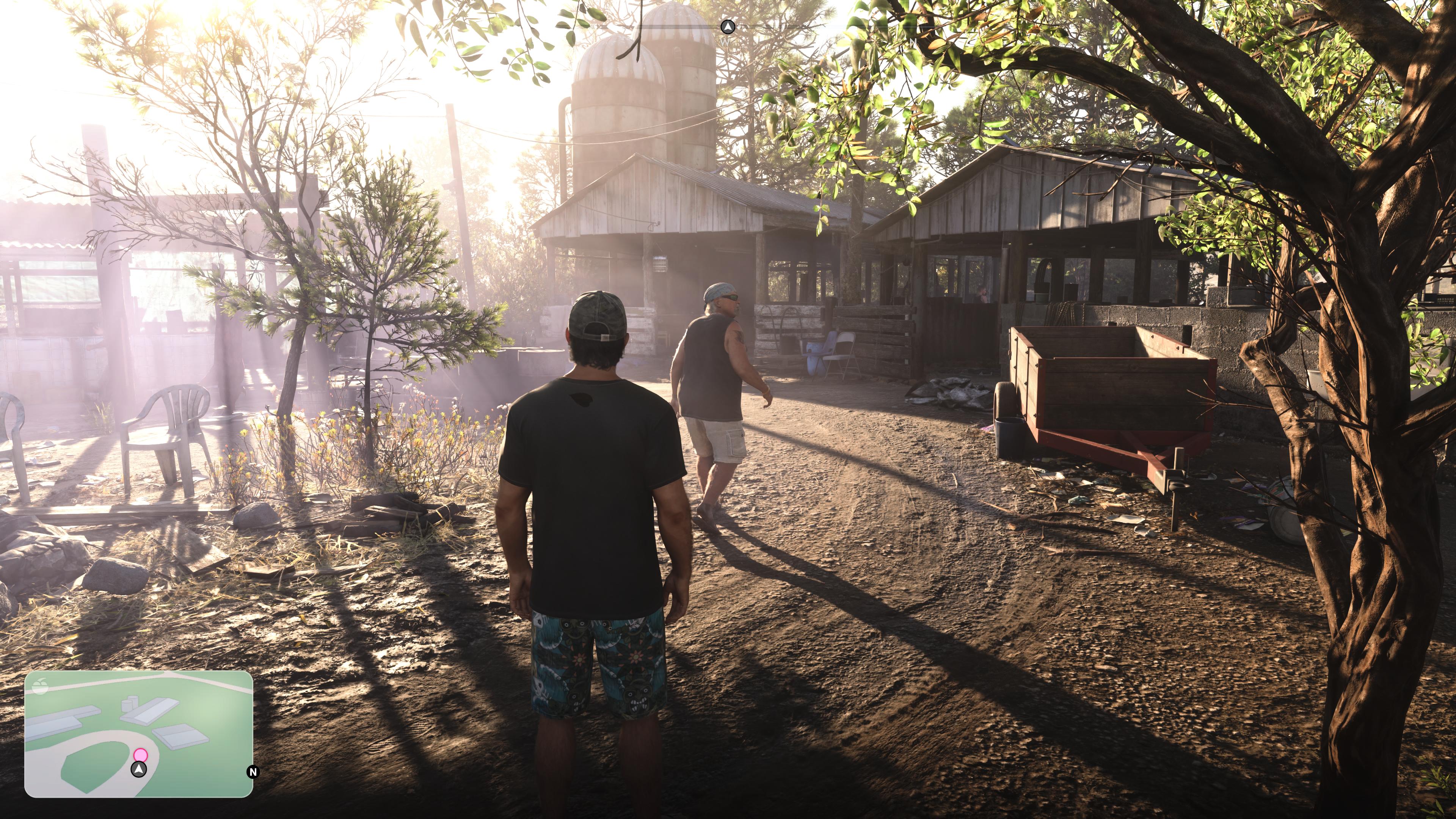
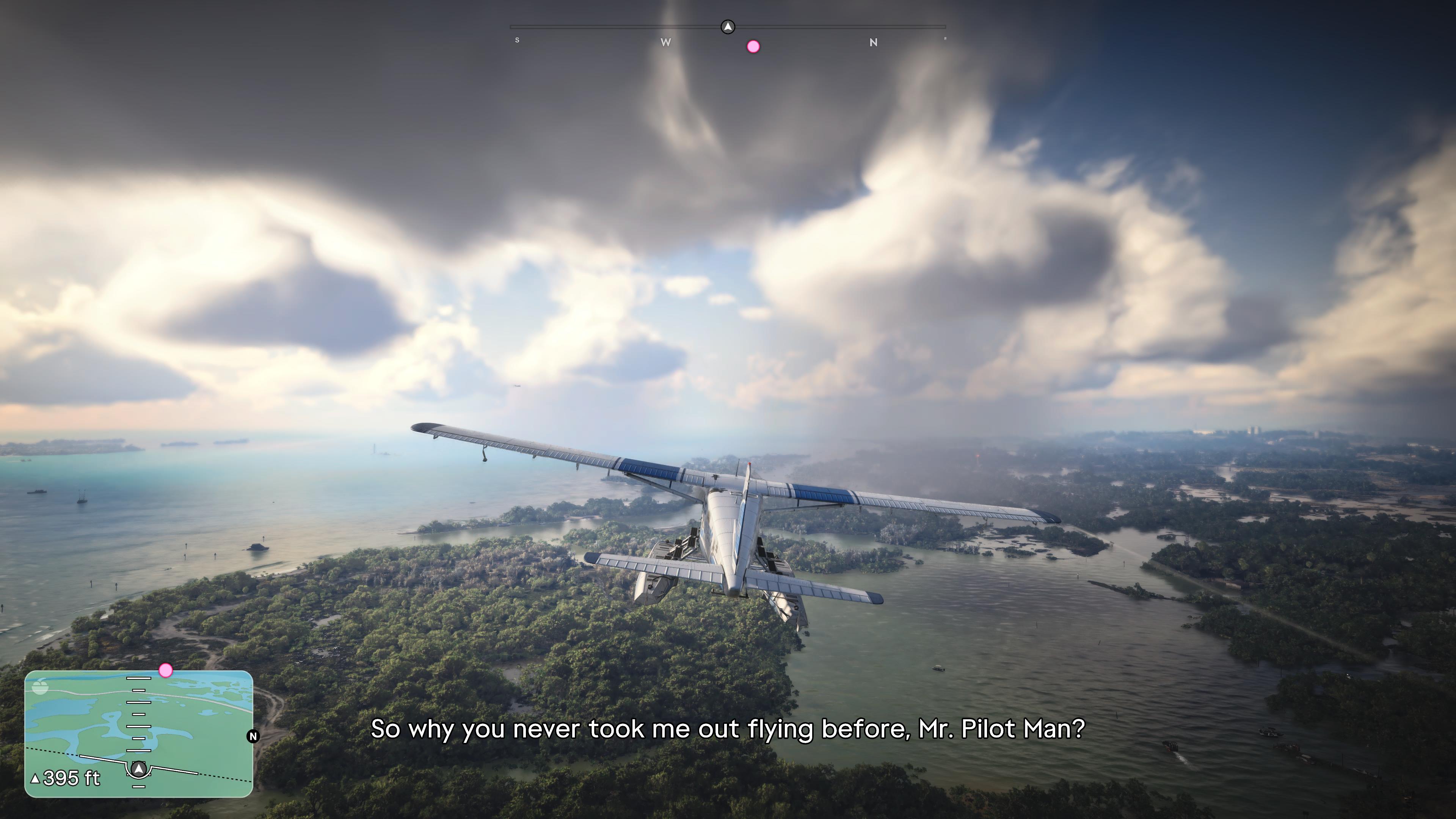
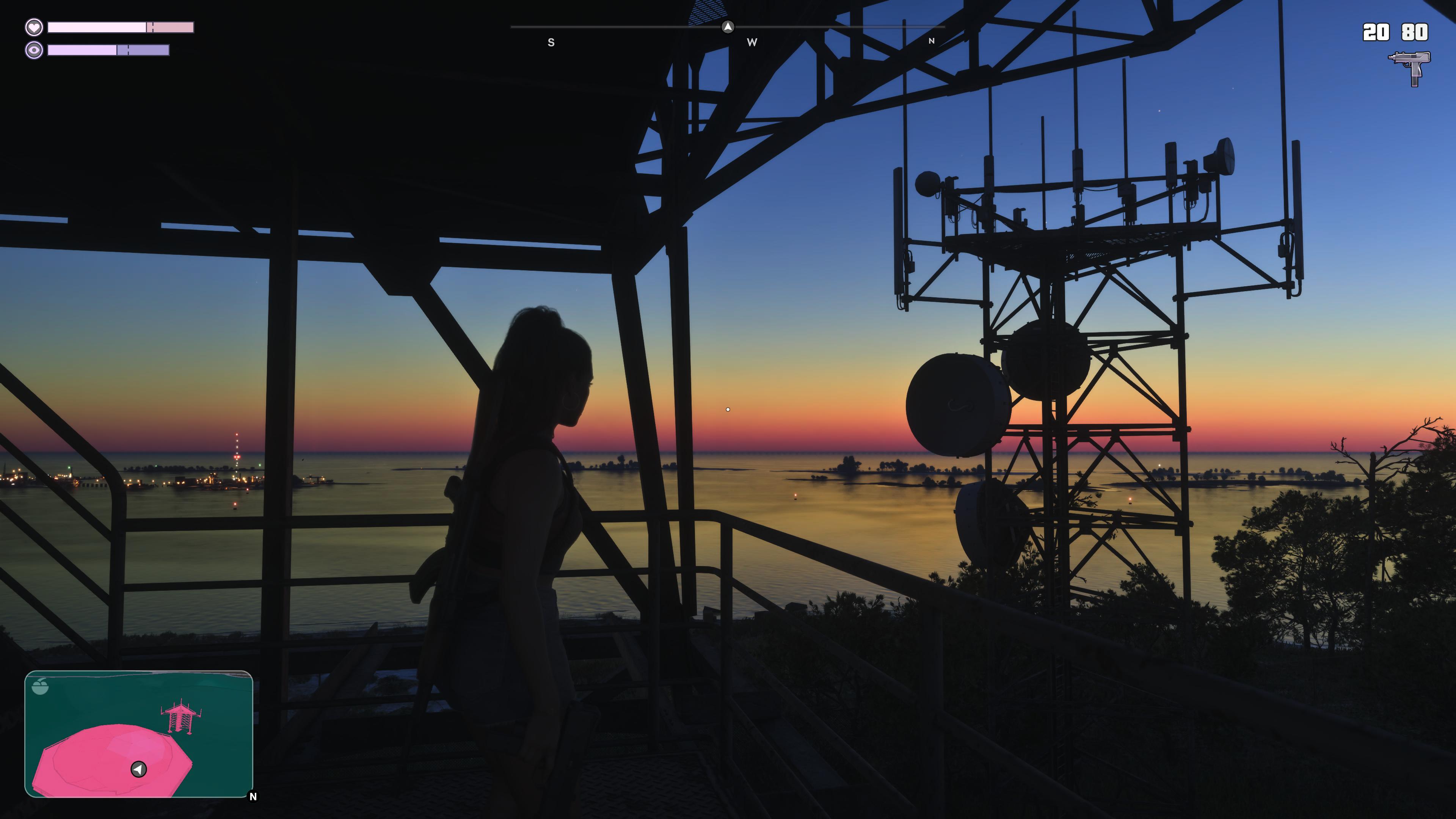
I could go on and on about the little “attention to detail” touches that add up to a more engaging world simulation. Characters who fall in the dirt get dust on only the specific parts of their clothes that hit the ground. Older characters look distinctly wrinkly, with veins that show through their thinning skin. Fabric and hair flow naturally in the wind and as characters move. Rain beads on car roofs and drips off overhangs during a storm.
Through it all, one moment really stood out to me. As I prepared for an upcoming firefight, I had Lucia start eating some chips to buff her health. Halfway through the bag, I had her pick up a nearby soda, too. At first, Lucia held the chip bag in one hand and used the other to pick out individual chips. But once that other hand was occupied with a soda, she started shaking the bag above her head to pour the chips directly into her mouth.
When I thought about the effort that went into coding and recording that specific animation for such a highly specific edge case, I thought about the millions of man-hours that went into making Grand Theft Auto VI the ultimate expression of this kind of urban crime/life sim. It might be a long time before we see this level of focused effort on a singular interactive vision again.