You don’t need to risk a brand new DJI drone for practice, specific tasks and aerial pics.
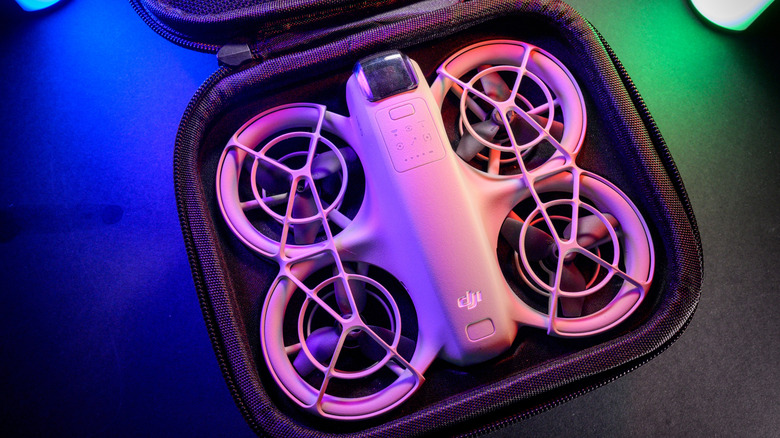
An old DJI drone is still a nice, working drone, and unless it's a wrecked heap of scrap, it has plenty of life ahead of it. Besides, it's a much better teacher than a new DJI Matrice 5T, because crashing it is a lot less scary than crashing the $8,000 beast that just emptied your bank account. As long as it still gets updates, swap out the worn props, give the batteries a once-over and let your archaic DJI drone be a kamikaze risk-taker or a solid spare.
Now that it's been replaced, its best job is practice, especially for new maneuvers or teaching someone else how to fly one. When you want to work on tight turns or low approaches, risk the geriatric version and spare your best drone. Leave the new one in the box for risky flights through heavy tree canopies or over water.
The old one also makes for a good spare in case the newbie runs out of juice or face-plants into a brick wall. Depending on your model, add-ons like the Sky Rigger make it a good fit for dropping bait when fishing.
Trading the drone or selling it is an obvious and simple option, but you can also part it out, either for future spare parts in your toolbox or to sell individually. There's a sizable market for specific drone parts, and as long as everything is in good working order, you won't have a problem finding buyers. Some parts can be repurposed for something entirely different, like security cameras or portable chargers.
What an older DJI camera can still do
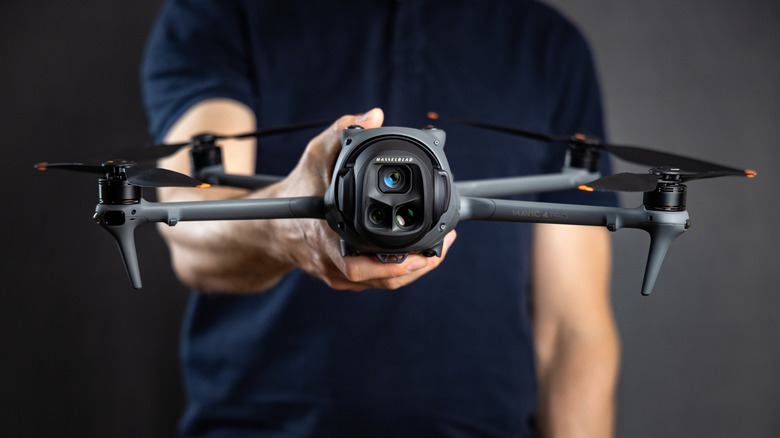
For the airborne filmmakers out there, an older or budget DJI drone still holds up well in that regard. Say you want to record a low flight scene over water but are afraid of turning your drone into a submarine. Unless they've been wrecked a lot, older DJIs still fly steady lines and have stable cameras.
The cameras themselves aren't too shabby either. The Mavic 2 Pro and Air 2S shoot 4K video with D-Log and impressive dynamic range, and though newer drones add more digital stabilization, older ones still have physical gimbal motors that work surprisingly well.
Huge or important events deserve the highest-quality cameras you can afford to send skyward, but older DJI models are more than enough for property shots or planning projects without risking the newbie. They're also good for inspecting your roof or checking out the bat population hanging out at the top of a cedar tree. Drone mapping is an interesting and potentially lucrative side gig for your old drone as well.
Of course, you'll need more than just the drone, including mapping software and, for any paid work, an FAA Part 107 remote pilot certificate. You can even rent out your drone or offer your piloting services for special events. If you have a solid but older drone, why not make some money off it before you trade it in or sell it?
Three more ways to put an old drone to work
Hand the controller over to one of your kids or someone who has never flown a drone and is looking to get into the hobby. Yeah, it's a basic use case, but it'll feel much better if the noob crashes and burns the old drone and not the new one. Everybody interested in the hobby has to learn at some point. If you still have strong feelings toward your old drone, start in an open field, well away from trees and power lines. Keep the flight time short and don't let them try anything overly "clever."
Depending on how deep you're into the hobby, you can take the parts and work on a new build. DJI manufactures its drones with little in the way of interchangeability, but that doesn't stop you from repurposing the parts for a new drone. If you go this route, keep in mind that it requires a lot of time, tools and focused patience for tight, intricate work. You need at least a basic working knowledge of soldering, electronics and aerodynamics. Even if you're learning from scratch, it's a fun and rewarding journey from start to finish.
Lastly, you can use your DJI drone to map out yellow jacket, hornet, wasp and bee nests for exterminators. Make sure you're in a safe place when you do; locating those annoying nests and holes will make an exterminator's job much easier. Just know your drone may take a beating. None of the above stinging insects will throw out the welcome mat for a much larger, louder version of themselves.