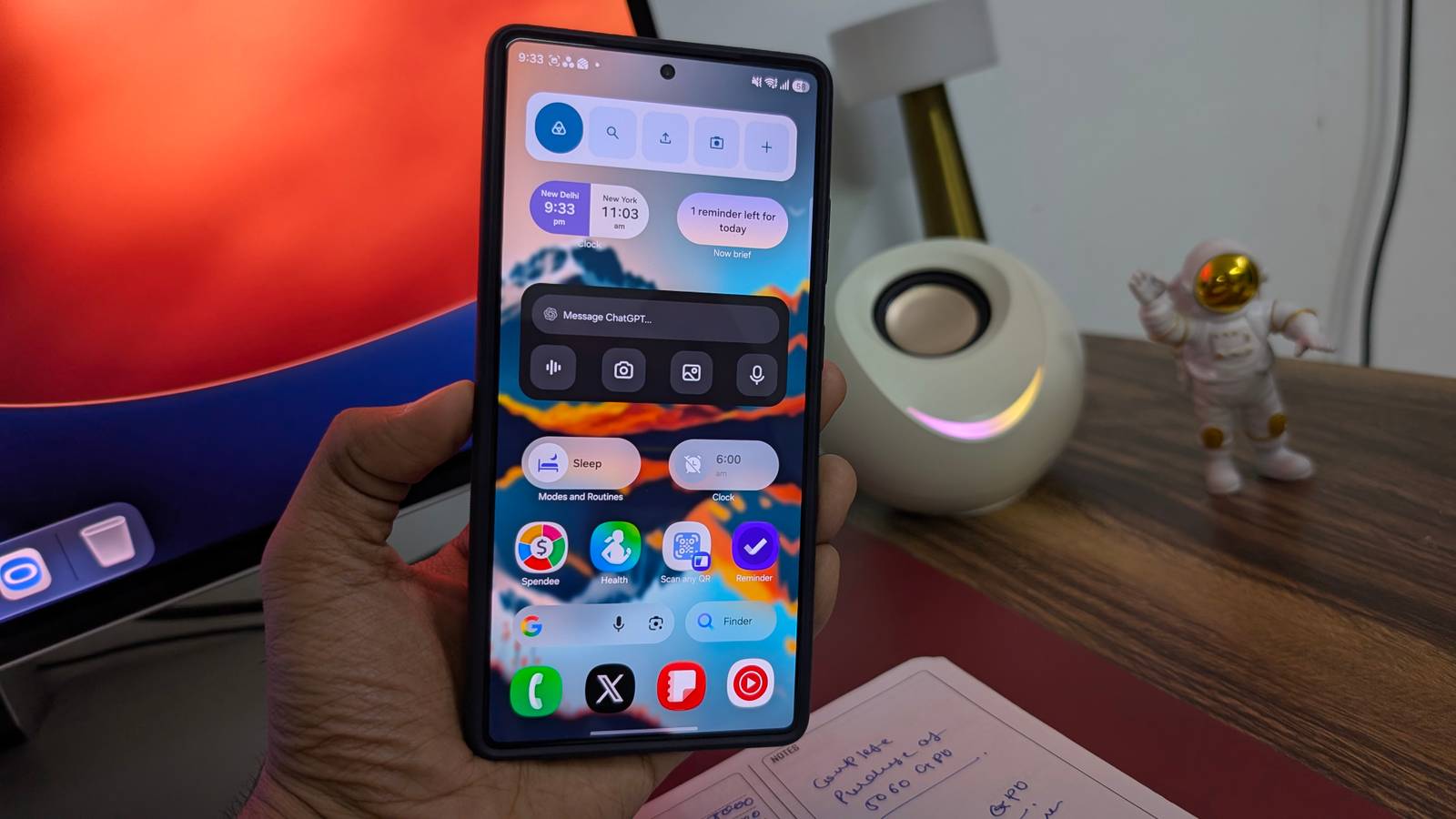
I have been using ChatGPT on my Android phone for months, but looking back, I wasn't making the most of it. My routine was basic.
I would open the app, type a question, get an answer, and move on. Occasionally, I would use it to summarize something or brainstorm ideas, but that was about it.
That changed when I started digging into and tweaking how I used the app.
I made ChatGPT easier to access
I made ChatGPT one tap away
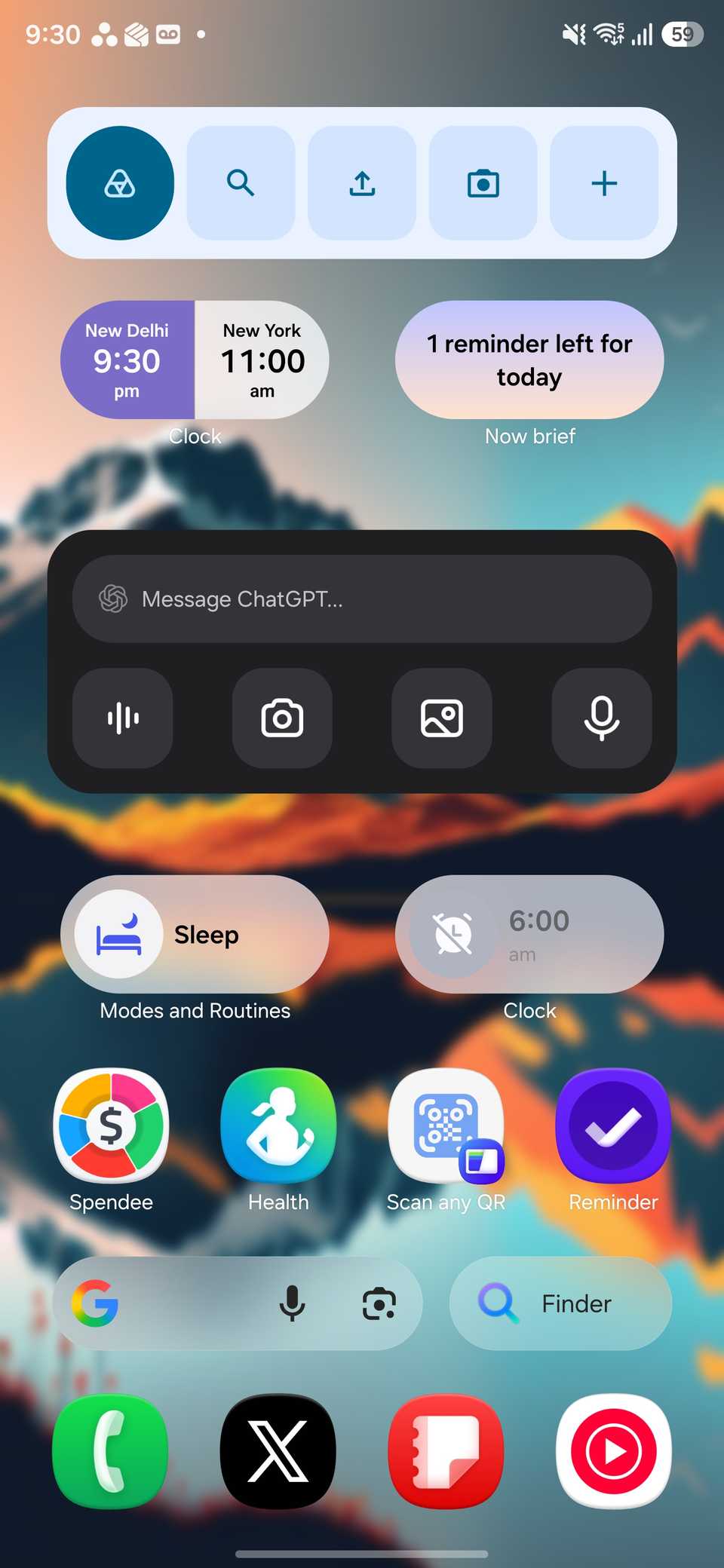
One change I made was how I accessed ChatGPT on my Android phone.
Earlier, I had to find the app in the app drawer, launch it, and start a conversation. Then, I added the ChatGPT widget to my home screen. That gives me convenient shortcuts to start a chat or use Voice without navigating through the app.
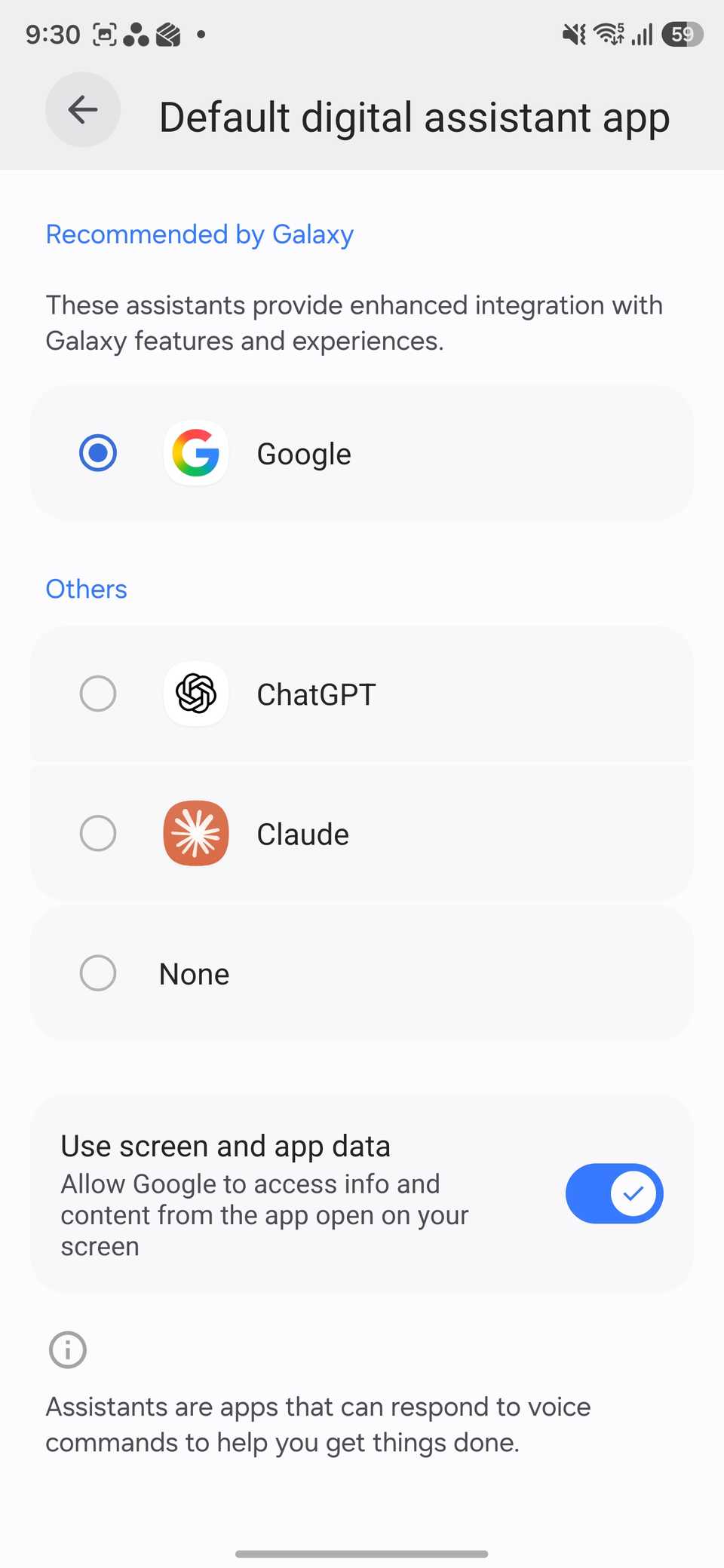
I also went into Android's settings and selected ChatGPT as my default digital assistant.
Now, I can bring it up using the assistant gesture or bottom shortcut instead of manually launching the app.
It's convenient when I want to brainstorm an idea, ask a quick question, or get help with something on the go.
While ChatGPT can't control my Android phone as deeply as Gemini, that's a trade-off I am willing to accept.
I finally tweaked personality and configured custom instructions
I taught ChatGPT how I work
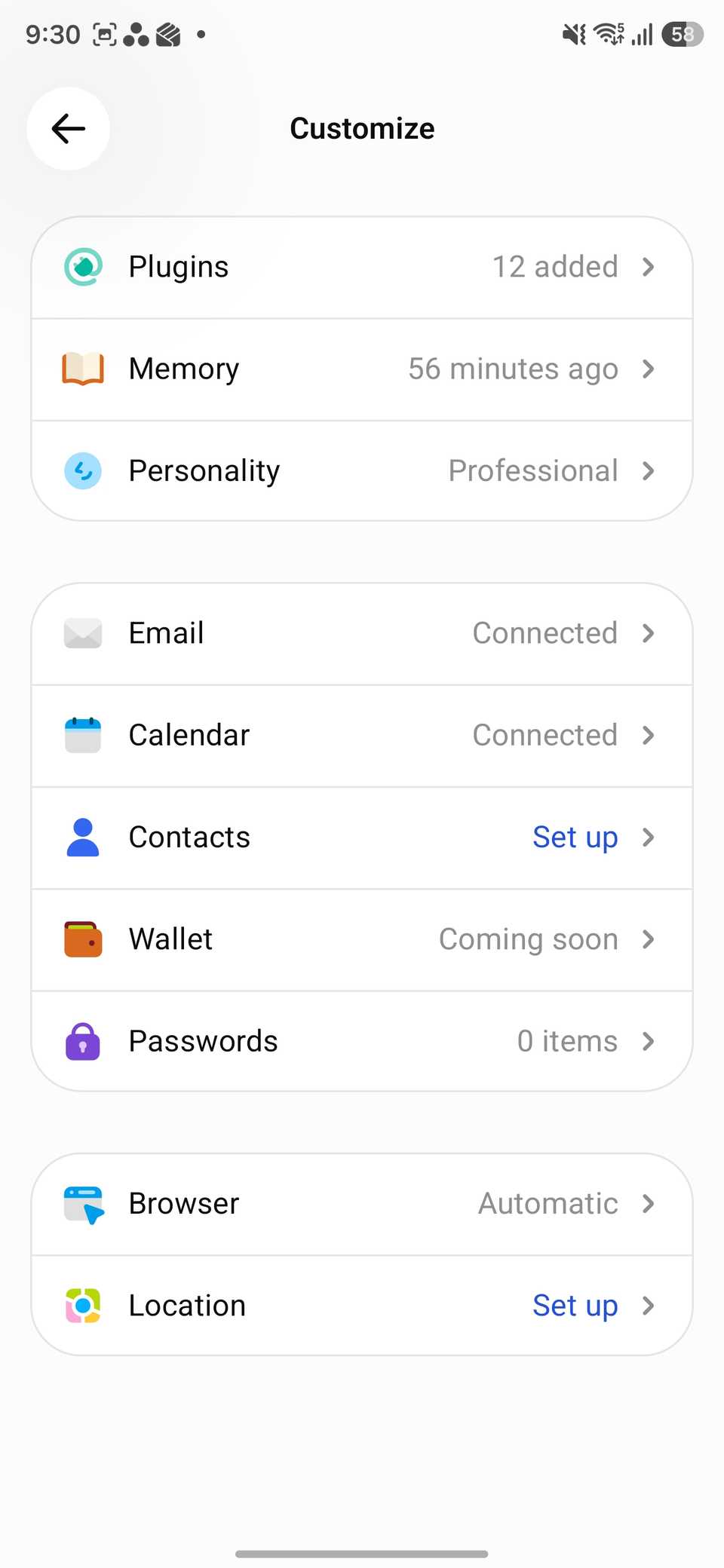
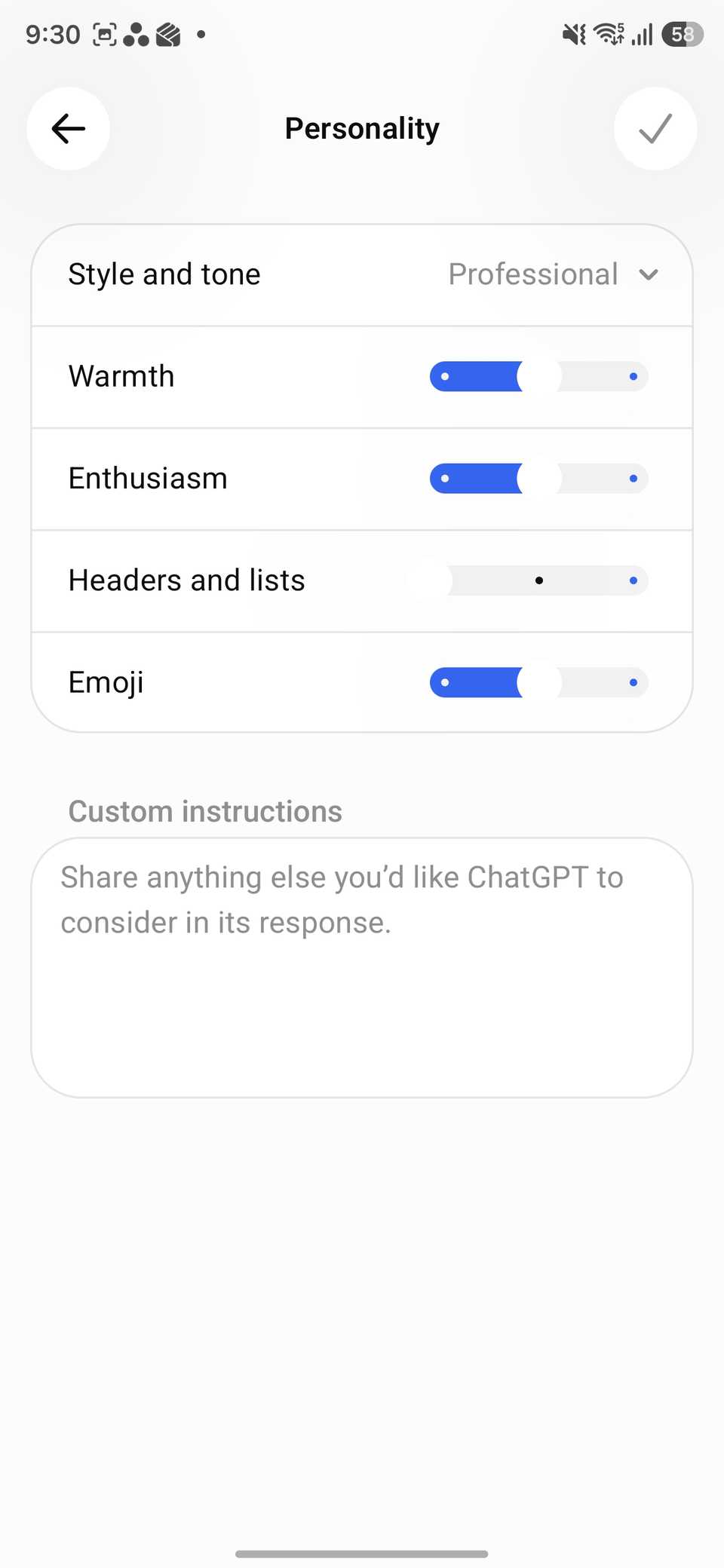
Another mistake I made was sticking with ChatGPT's default personality and never configuring Custom Instructions.
I often got lengthy explanations when I wanted a straightforward answer, or generic suggestions that didn't match my preferences.
I eventually opened and started experimenting with the available personality options.
I tweaked ChatGPT's style and tone, dialed down headers and lists, and increased its use of emojis.
The real game-changer was Custom Instructions. I added details about my profession as a tech writer, my preferred writing style, and how I like information to be presented.
For instance, I prefer clear explanations, practical examples, and concise responses unless I specifically ask for an in-depth breakdown.
These changes may sound minor, but they made a major difference in my daily conversations.
ChatGPT now better understands what I expect from its responses, and I spend less time correcting its tone or asking for shorter answers.
I stopped typing everything and embraced Voice
My keyboard finally took a backseat
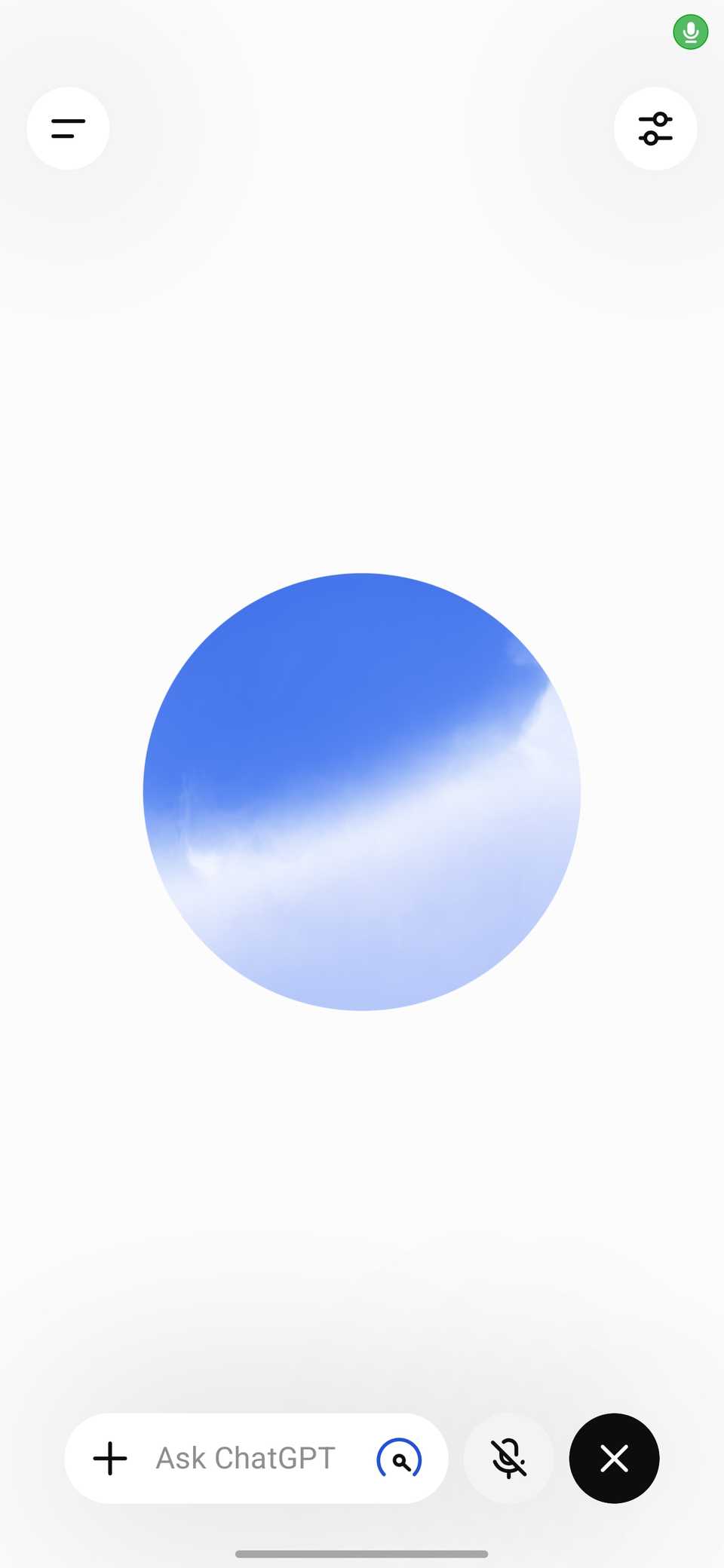
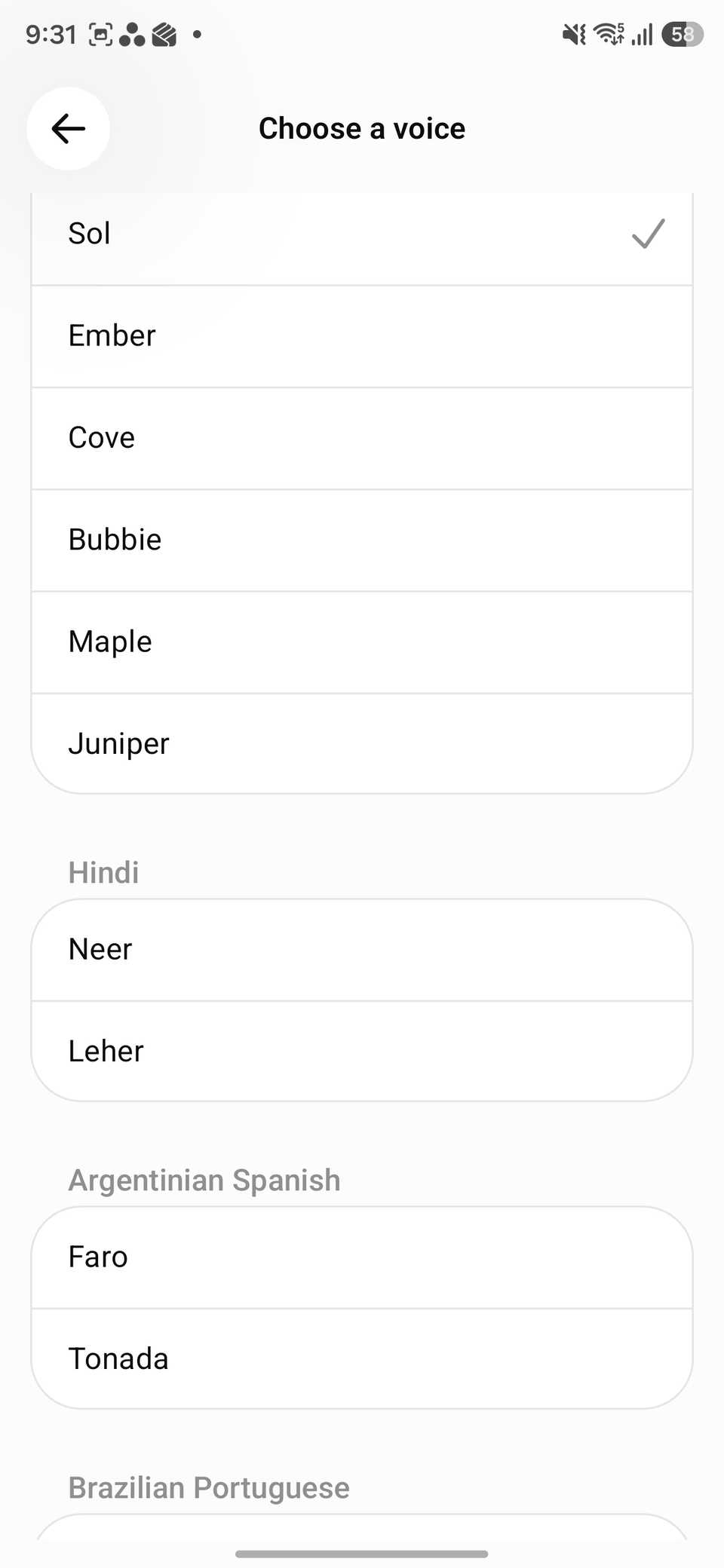
I used to type almost everything into ChatGPT, even when a quick conversation would have been more convenient.
That changed when I started using ChatGPT Voice regularly.
Instead of typing lengthy prompts, I can speak naturally, ask follow-up questions, and brainstorm ideas without constantly looking at my screen.
Now I use it to brainstorm article headlines, discuss new topics, and organize my thoughts while walking around the house.
I also enabled background conversations in ChatGPT's Voice settings, which let me keep talking while switching between apps or locking my phone.
It makes the experience feel more natural and less like interacting with a traditional chatbot.
Voice has become one of my favorite ways to use ChatGPT on Android.
I turned ChatGPT into a proactive assistant with scheduled tasks
I made ChatGPT work without asking
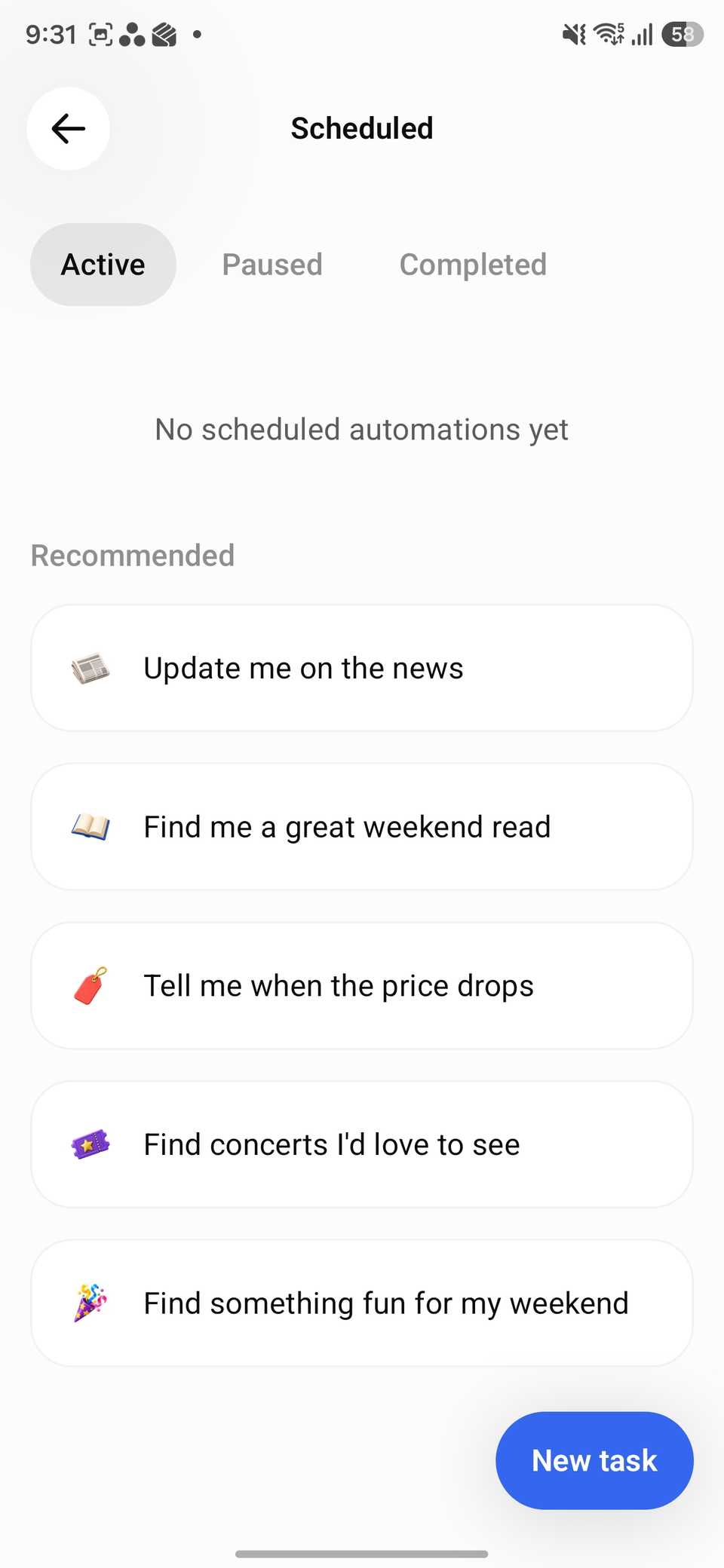
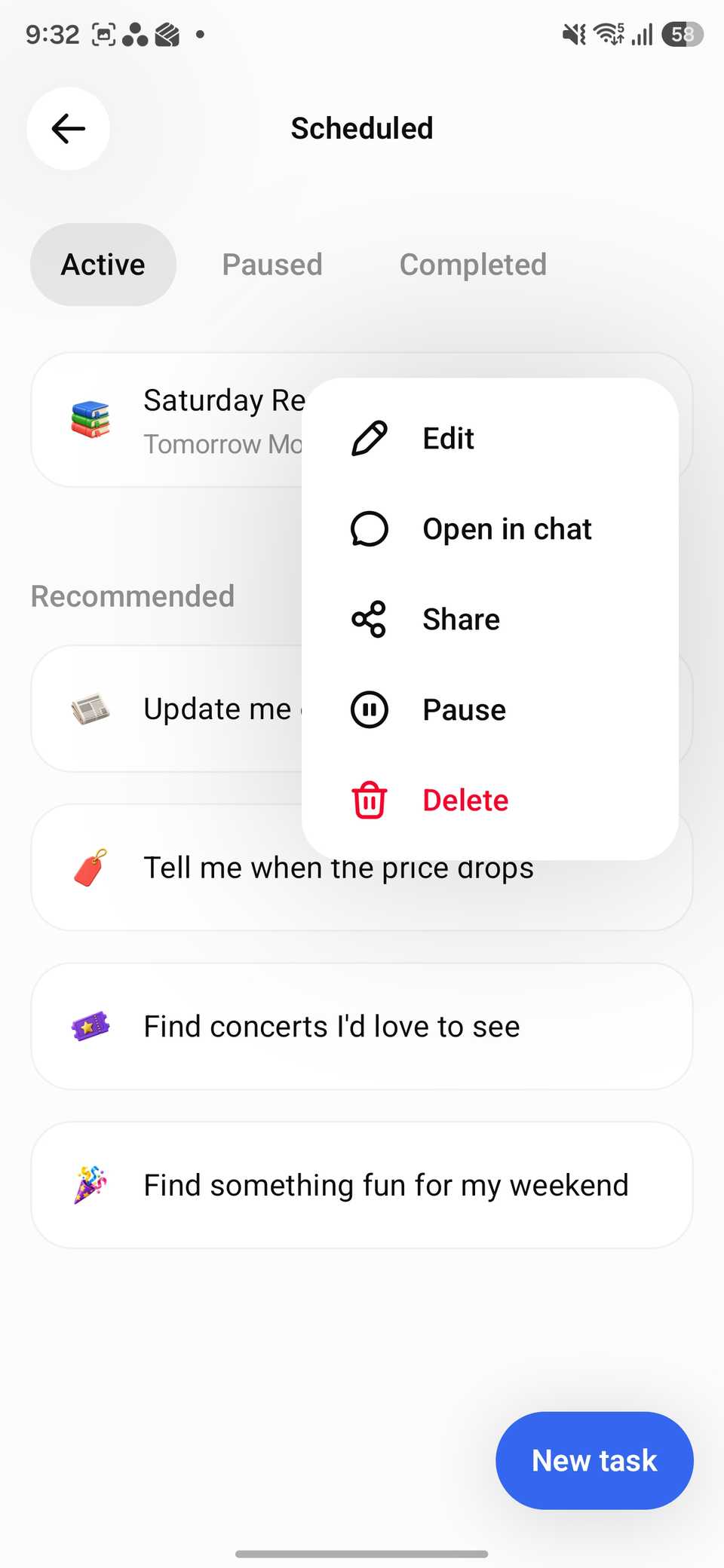
Another feature I had overlooked was ChatGPT's scheduled tasks.
Earlier, I had to open the app and manually ask for updates or reminders when I needed something.
With scheduled tasks, I can make ChatGPT work for me without initiating conversations.
For instance, I customized a daily morning briefing covering the latest developments in Android, AI, and the self-hosting world.
I also use it for weekly productivity summaries, reminders, and recurring research topics that matter to my work.
The best part is that I can create these tasks using natural language without navigating through complicated menus.
ChatGPT handles the schedule and sends notifications when a task runs.
I connected my favorite apps to ChatGPT
I connected the apps that matter
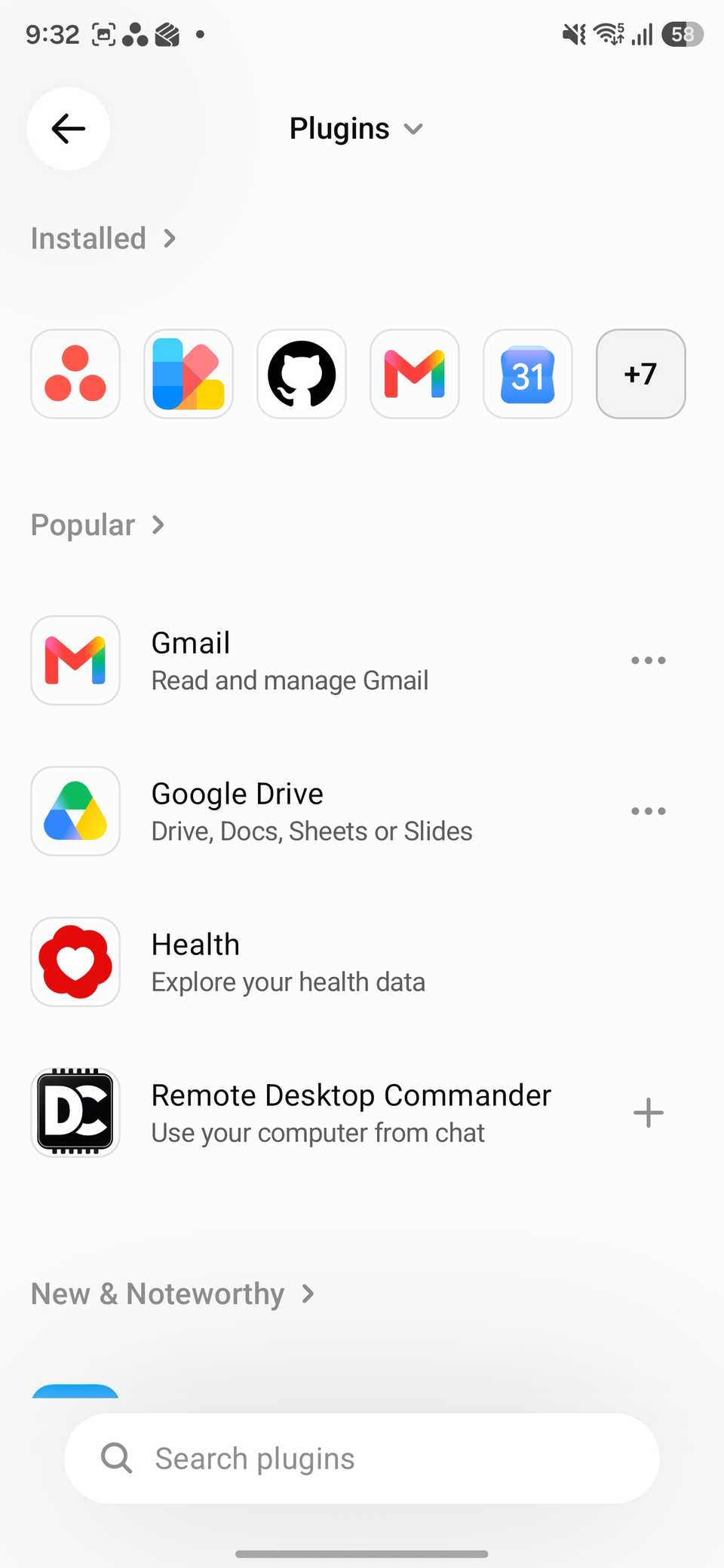
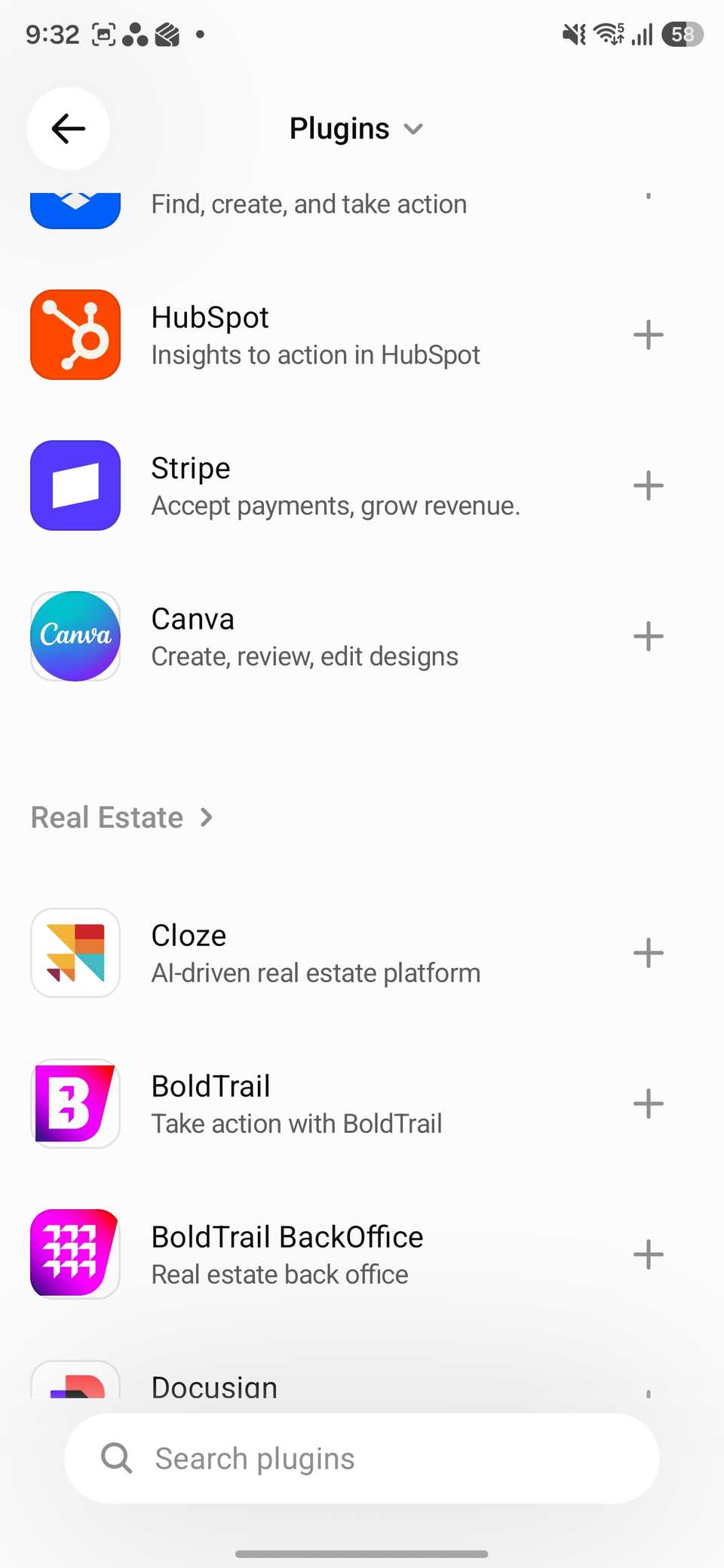
I made ChatGPT more useful by connecting my favorite apps and services.
I headed into ChatGPT's settings and explored the available integrations.
I connected Gmail, Google Calendar, Notion, and Google Drive to bring more of my daily workflow into one place.
Instead of switching between apps, I can now ask ChatGPT to find important emails, check my upcoming appointments, or retrieve documents from Drive.
For instance, I can ask ChatGPT to summarize a lengthy email conversation or help me prepare for an upcoming meeting using information from my connected services.
It's convenient when I am juggling multiple writing assignments and deadlines.
I would love to see ChatGPT's integration with , YouTube Music, Google Keep, and Tasks in the future.
A smarter way to use ChatGPT
The biggest mistake I made with ChatGPT wasn't using the wrong prompts. It was treating the app like a simple question-and-answer tool.
It just needs the right setup. And now I can't imagine going back to my old routine.
It isn't perfect, especially when compared to Gemini's tighter Android integration.
But sometimes, it's about having an assistant that understands your preferences, remembers important context, and helps you get things done with less effort.
That's exactly what this setup delivers.