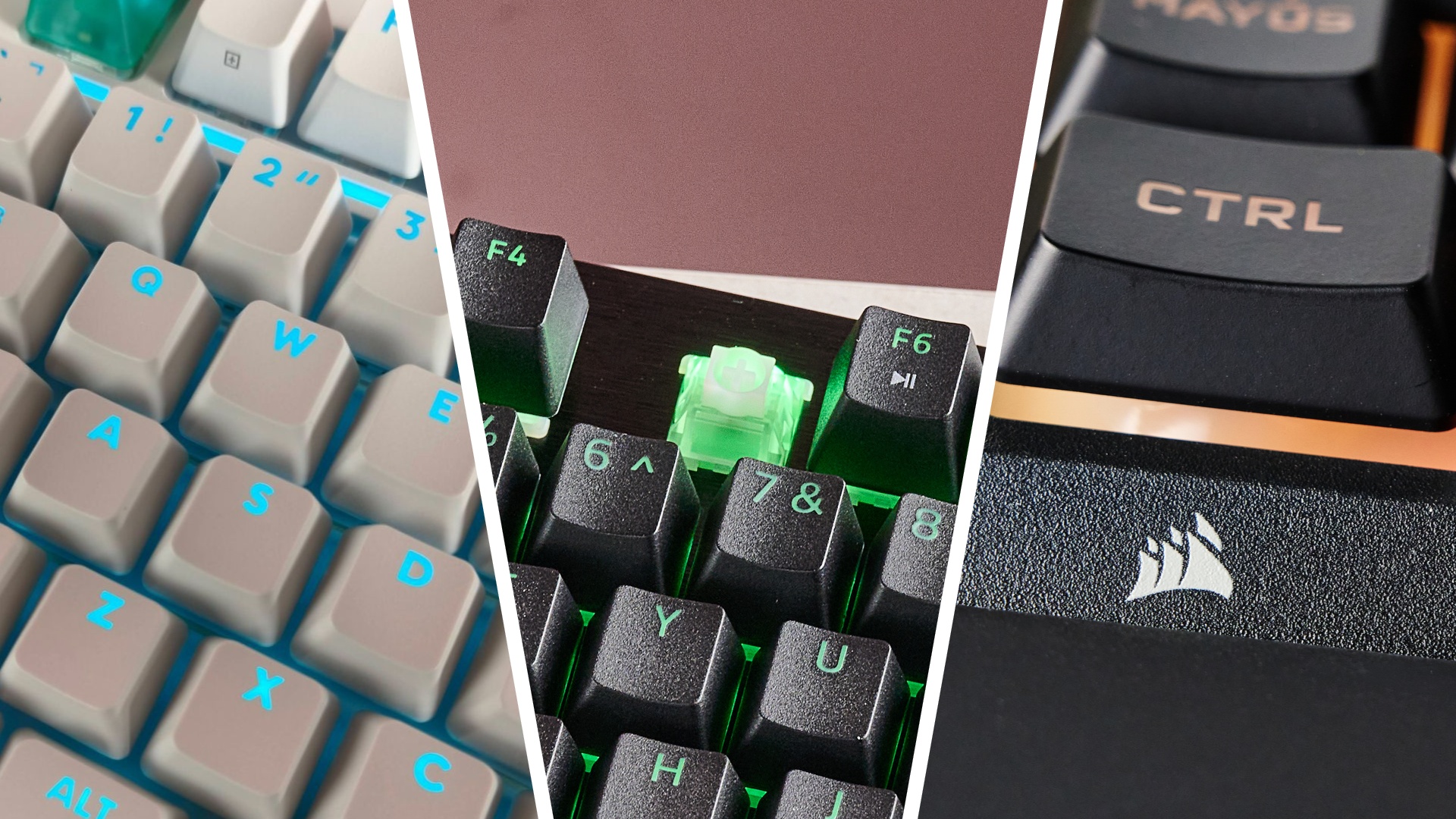
In the ever-expanding gaming keyboard market, there appears to be no end to the variety of shapes, sizes, and features available. One of the most important — and contentious — facets, though, has been (and probably always will be) switch type.
The intensity with which gamers debate the topic is hardly surprising, given how different switches can radically affect both feel and performance. Mechanical boards have long been touted as the only sensible option for those who take their gaming seriously, but alternatives are becoming increasingly viable in today’s space.
I’ve spent years testing clackers with every kind of switch imaginable, and below I’ve rounded up the best gaming keyboards featuring some of the most popular types. Keep an eye out for them in the Black Friday sales.
The original king
As mentioned, mechanical switches are often considered the top choice for gamers. This is largely thanks to their tactile feedback and instant response times, as well as their durability and repairability should they fail.
There are a variety of subtypes available, each having its own unique feel and advantages. What’s more, they can often be swapped out, giving gamers the chance to experiment to find what works best for them, without having to purchase an entirely new board.
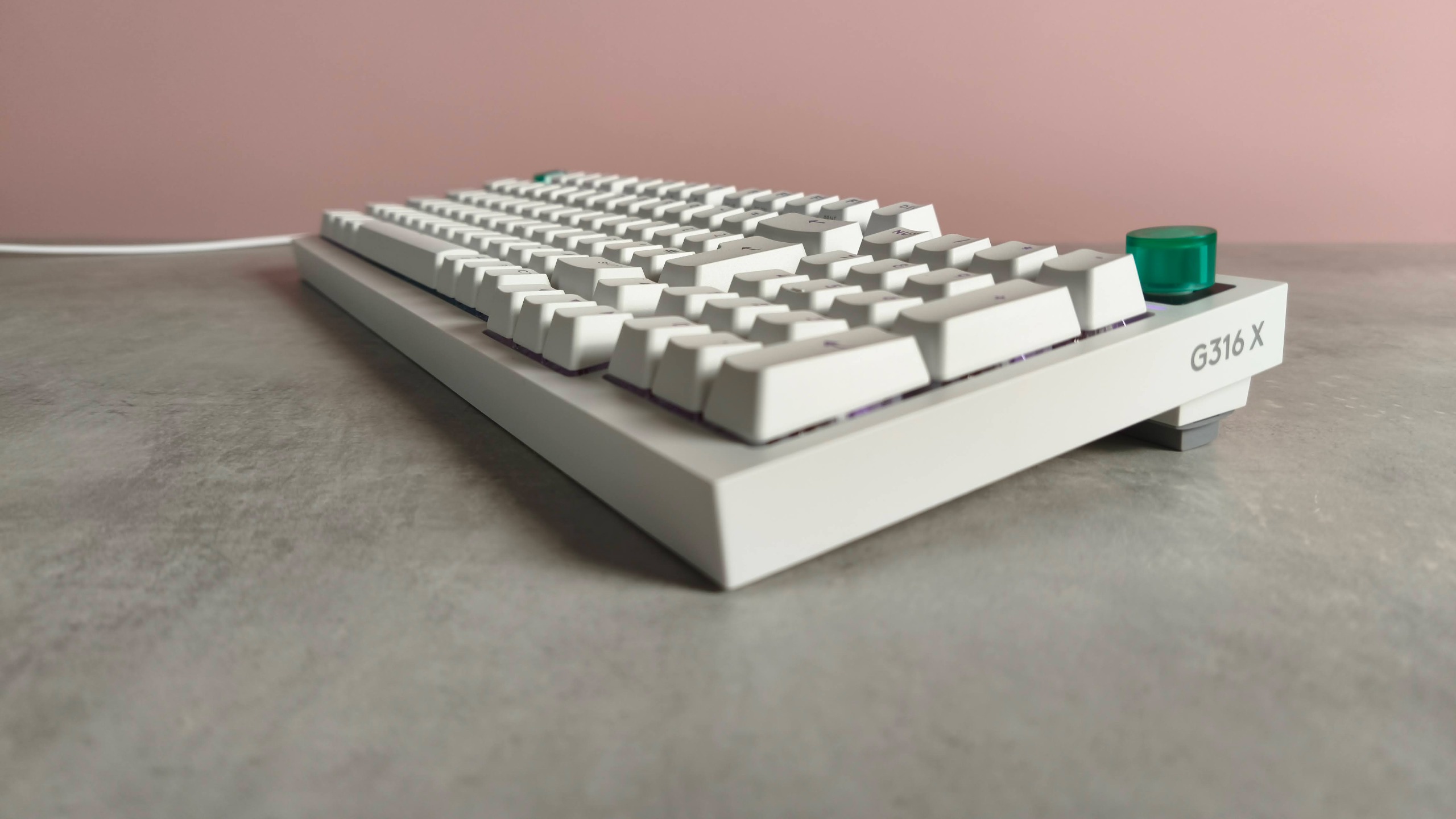
The Logitech G316 X is a fine example of a mechanical keyboard. When I tested it, I found its switches satisfying and solid, and appreciated its feature-filled software and tough build. My main grievance with the G316 X, though, is its shallow tilt angle, which may bother some gamers more than others.
Another negative is its fairly useless display, although this doesn’t exactly hamper performance in any way. It’s also wired only, although that’s forgivable considering its reasonable price.
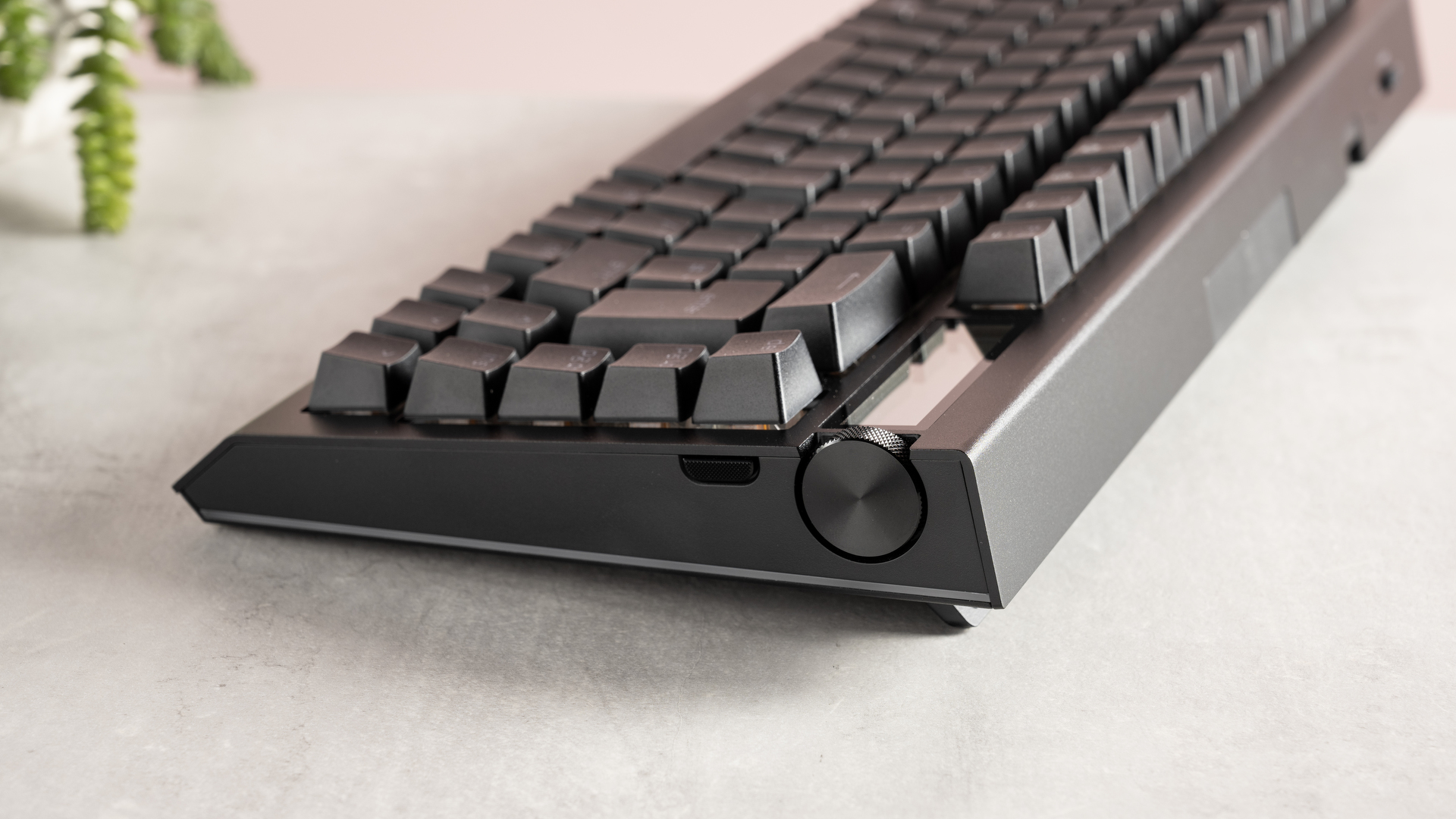
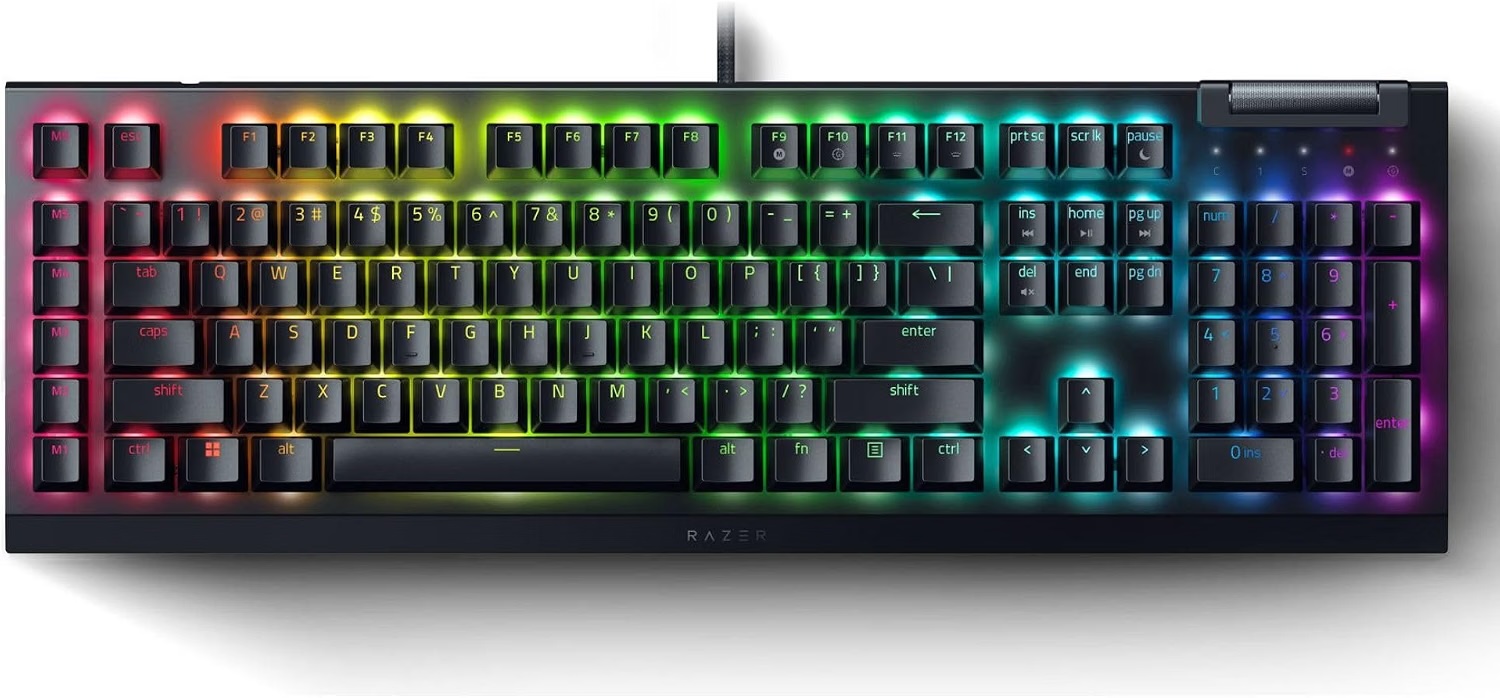
I also reviewed the Razer BlackWidow V4 Pro, another stellar mechanical keyboard that won me over with its sublime tactility and feedback, as well as its tank-like build quality. This is, however, a truly premium purchase, so best reserved for when it gets a doorbusting deal.
The new kid in town
A more modern switch type looking to usurp mechanical is analog. What sets keyboards with these switches apart is their adjustability: as the name suggests, they have a modularity that lets you change the point at which they actuate along their travel. This can be achieved via hotkeys, companion software, or even an integrated interactive screen in some cases.
There are plenty more adjustments and features available to analog switches besides. One of the most notable is Rapid Trigger (RT). This improves the speed of a quick succession of taps by dynamically altering the actuation point after the first press to allow for quicker registers. Some keyboards even let you manually adjust this RT actuation point yourself.
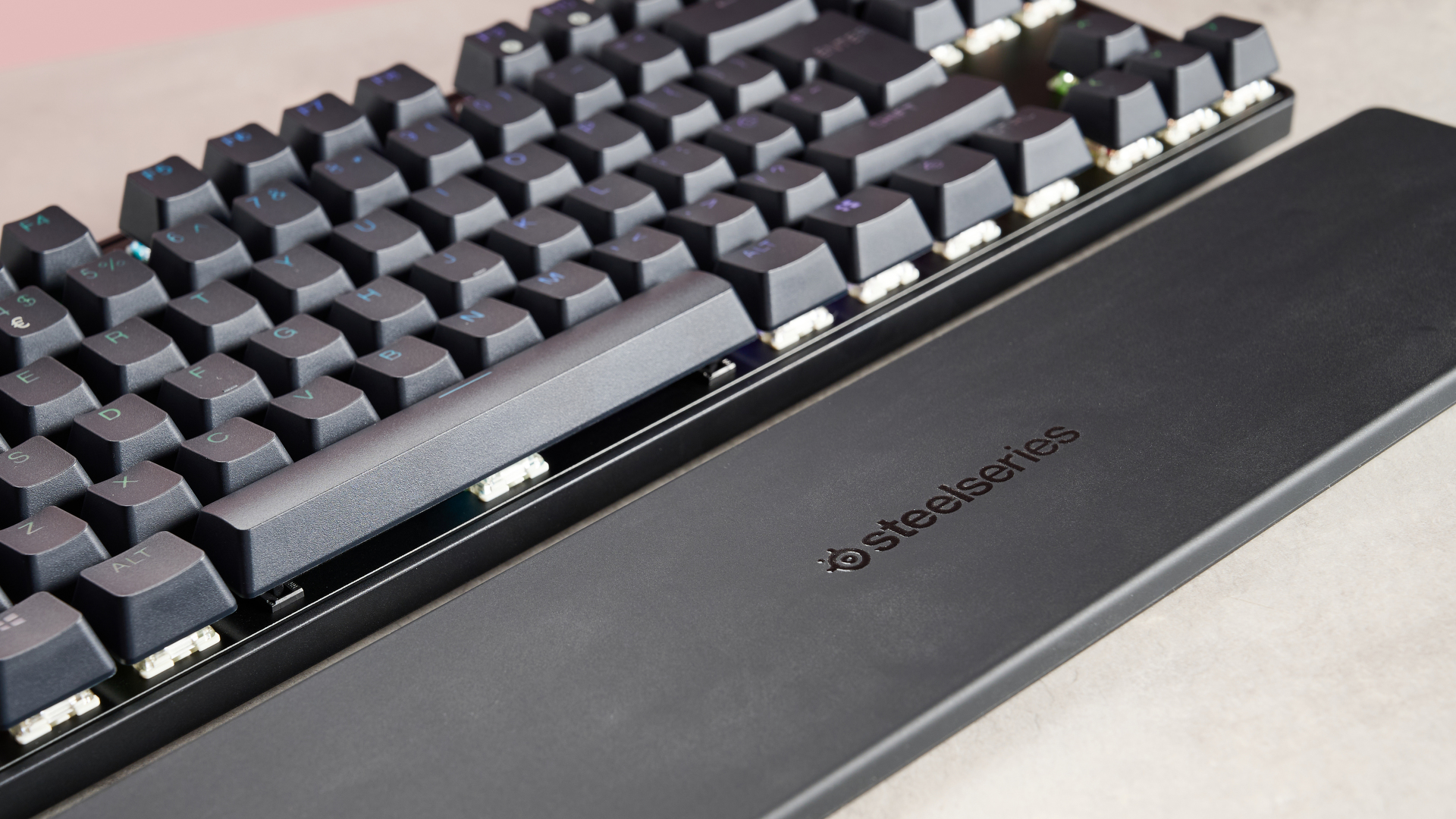
I’ve long sung the praises of SteelSeries’ Apex Pro as the paragon of analog keyboards. However, the Apex Pro certainly isn’t without its competitors. The Razer Huntsman V3 HE is perhaps its sternest rival; it impressed me with its tactile feel and blistering performance, pretty much equaling the Apex Pro in my mind.
Standing up for the underdog
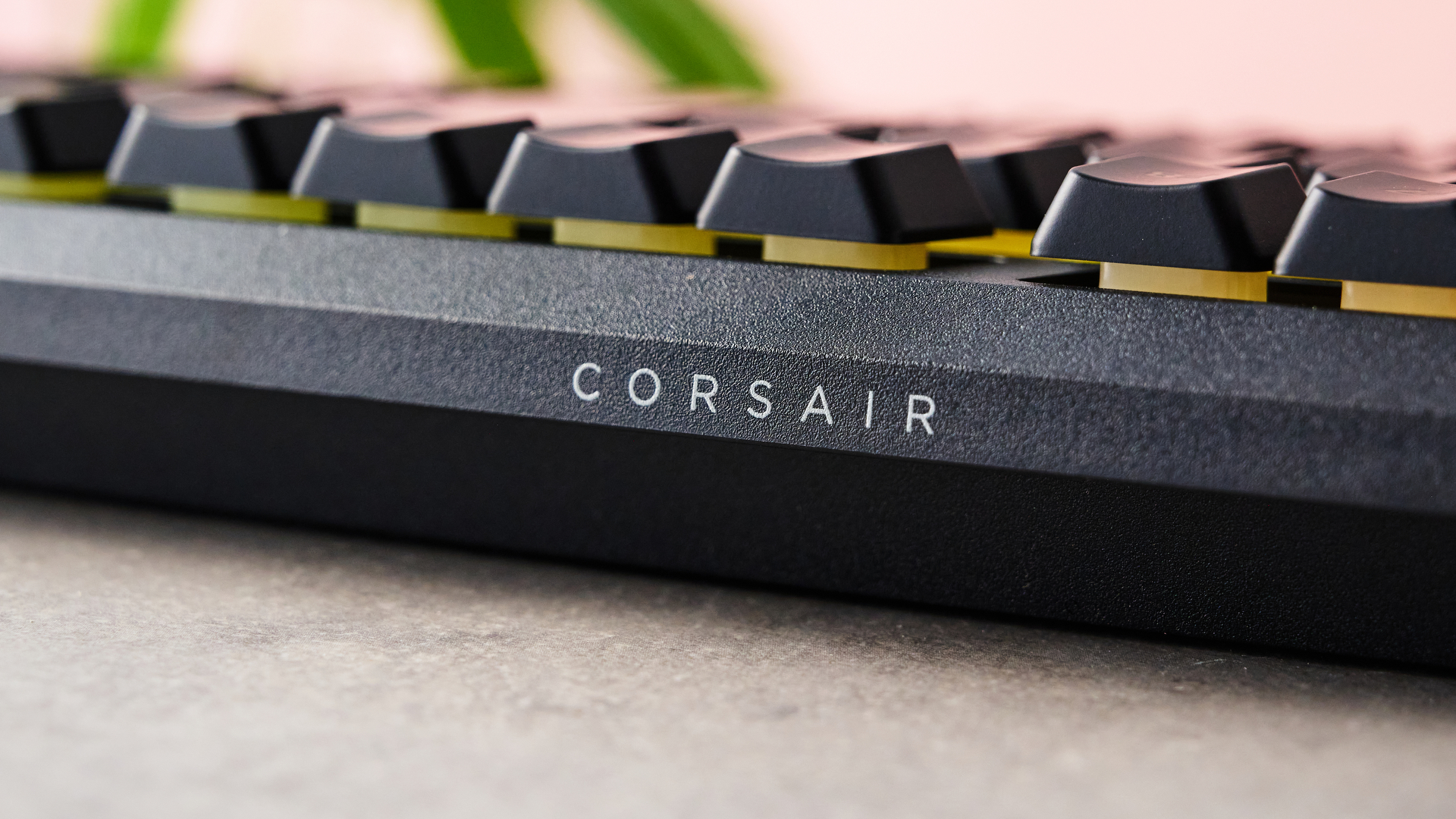
Perhaps the most underappreciated switches for gamers are membrane. These are often seen as inferior to every other kind, maligned for their squishy feel and lack of feedback.
There is some truth to these charges, as mechanical and analog switches generally have a more robust and refined action that many gamers just can’t do without. But membrane switches have come on leaps and bounds in recent years, and they may no longer be such a dreadful choice.
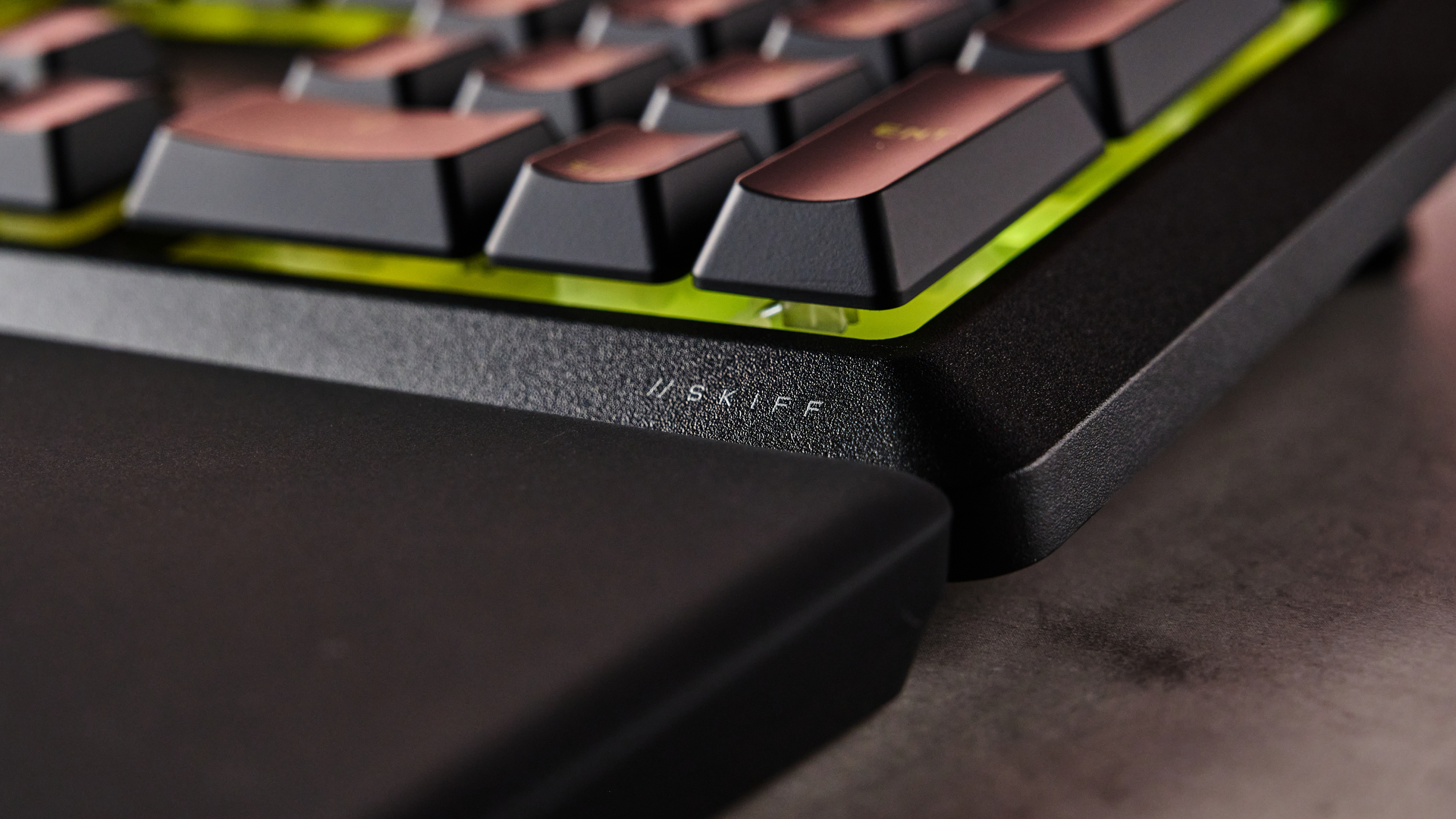
One of the best gaming keyboards I’ve tested with these switches is the Corsair Skiff 100. Presses are soft and cushioned, which also means you get that trademark silence when hammering away at the keys. However, it doesn’t suffer performance-wise, as I found it perfectly capable when playing fast-paced games.
What’s more, it’s also one of the best budget gaming keyboards I’ve come across, costing considerably less than all of the aforementioned, despite having a full-size layout and a detachable wrist rest. You will have to settle for a wired connection, but this only helps to keep the costs down, and isn’t as restrictive as it is on gaming mice.
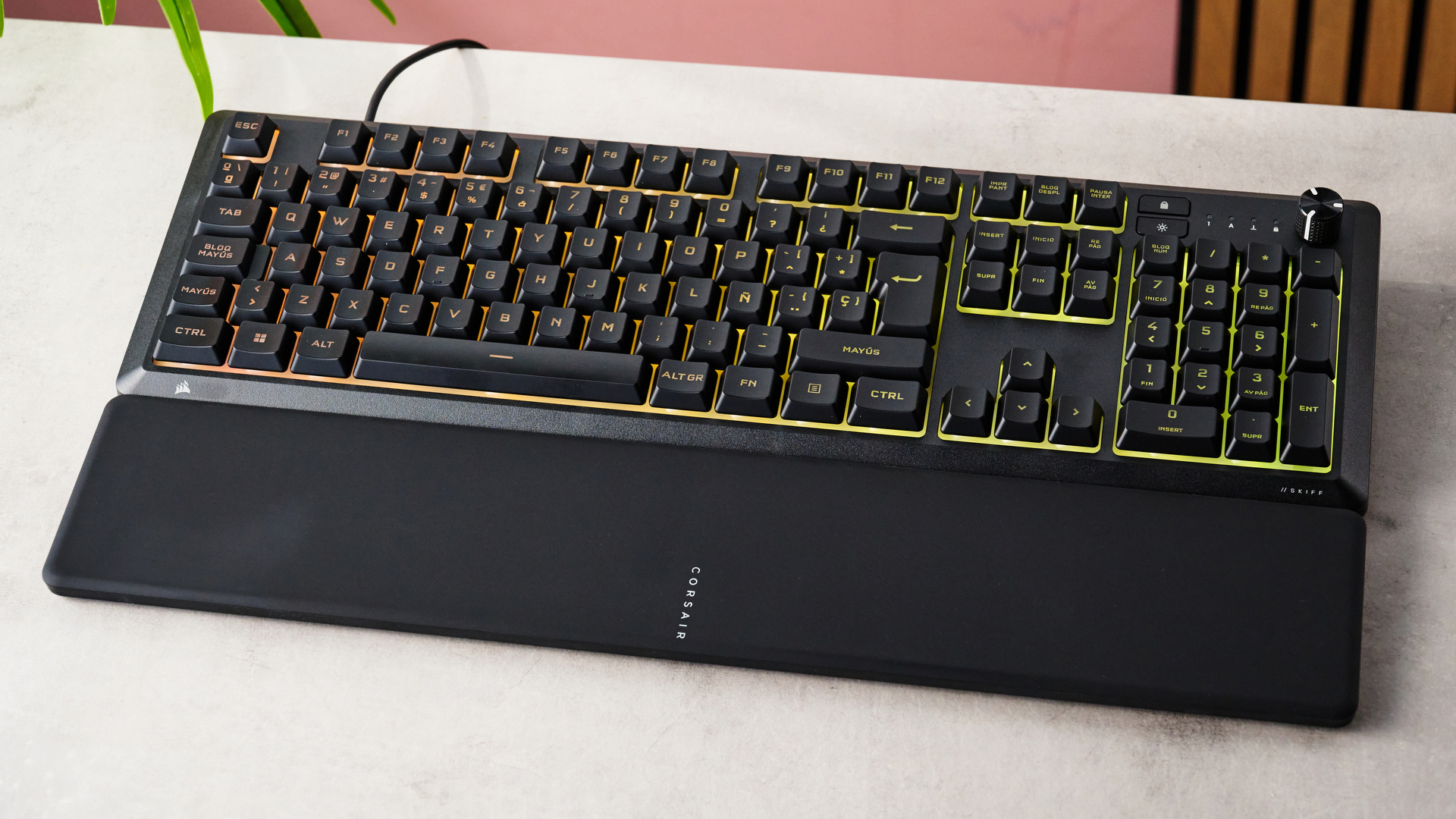
All three of the main switch types have their advantages and disadvantages, and there are boards containing each that are great for gaming. But the main takeaway is that if you want great performance while keeping costs down, there’s no reason not to consider a board with membrane switches.

Lewis Maddison is a Reviews Writer for TechRadar. He previously worked as a Staff Writer for our business section, TechRadar Pro, where he gained experience with productivity-enhancing hardware, ranging from keyboards to standing desks. His area of expertise lies in computer peripherals and audio hardware, having spent over a decade exploring the murky depths of both PC building and music production. He also revels in picking up on the finest details and niggles that ultimately make a big difference to the user experience.