
I've been holding on to my Nothing Phone 1 for four years now. Besides , it was one of the few midrange phones to offer a bloat-free experience and symmetrical bezels.
It also came with a genuinely novel Glyph interface and monochrome Nothing OS user interface that broke the generic smartphone mold. The Nothing Phone 1 both looked and felt unique when it came out.
Fast-forward to 2026, my Nothing Phone 1 has officially run out of security updates. I'm ready to upgrade and , but Nothing's current lineup gives me zero reason to make the jump.
It's not because my midrange phone is great, but because Nothing hasn't offered a suitable replacement. Both the Nothing Phone 2 and 3 were released with subpar hardware and conflicting identities. Nothing's midrange A-series phones didn't entice me, either.
As much as I'd like to stay in Nothing's ecosystem, I won't buy another one of its phones until it makes drastic changes.
Why Nothing lost its spark
Gimmicks are no longer enough
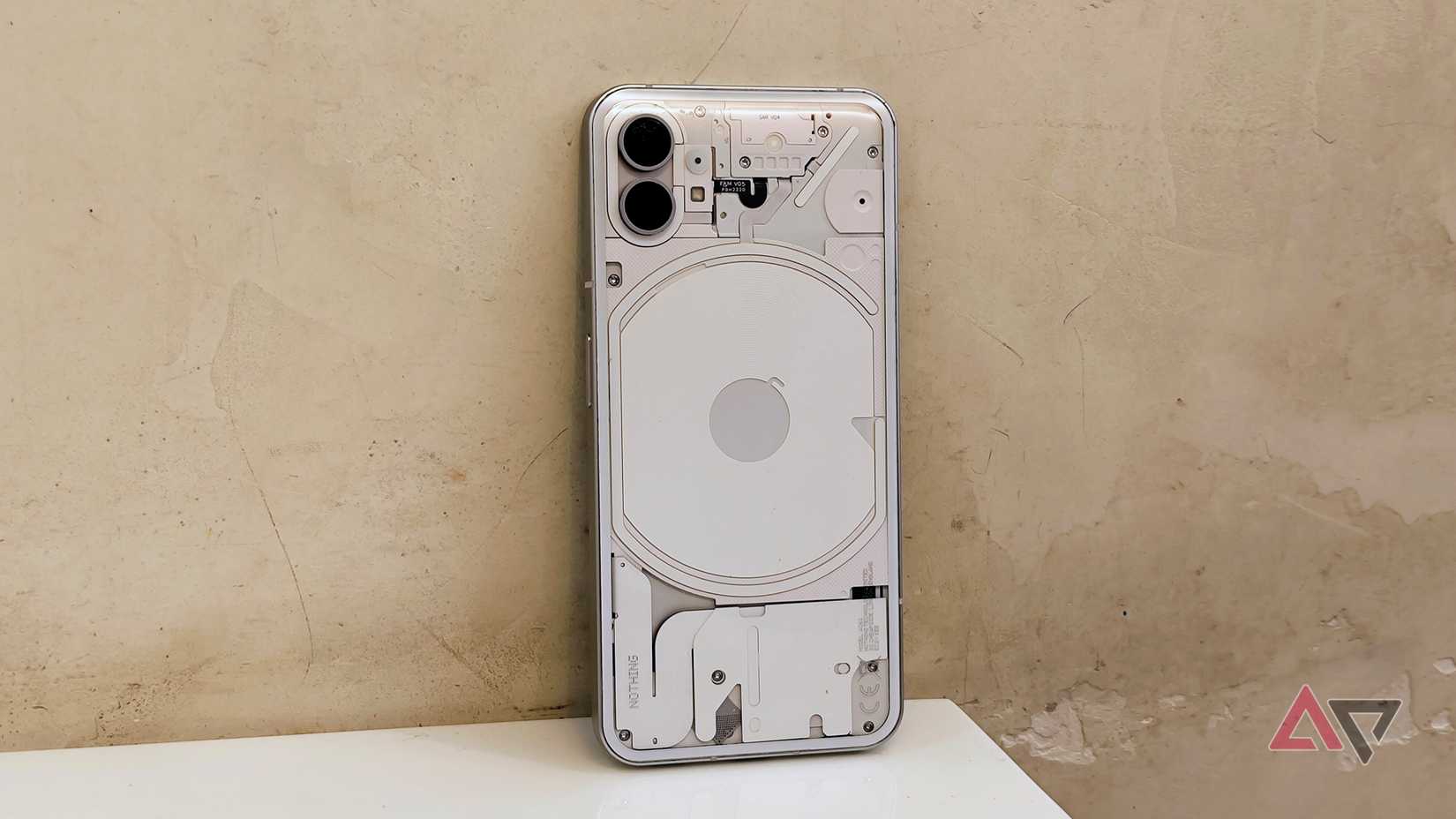
Nothing's current smartphone lineup is a mess. It's been over a year since the flagship Nothing Phone 3 launched with outdated hardware headlined by the Snapdragon 8s Gen 4, and it won't see a successor until at least next year.
There's no Nothing Phone 4 in sight, even though the lower-end 4a series is already in circulation. Speaking of which, the best bang-for-buck option, the Phone 4a, isn't available in certain markets, including the US.
The Nothing Phone 4a Pro is the way to go if you want the latest the company offers. Sadly, its midrange specifications, coupled with the retail price, aren't attractive when compared to, say, the or .
Nothing recently added the Phone 4b to its already-mediocre 2026 portfolio. It's a tough sell, sandwiched between the aforementioned 4a and the more affordable Phone series, while playing it safe with an underwhelming Snapdragon 6 Gen 4 chipset and older UFS 2.1 storage.
Nothing OS 5.0 leans heavily on visuals, rather than deeper functionality.
Software is another pain point in Nothing's struggles. Nothing OS 5.0 leans heavily on visuals, rather than deeper functionality. Many of its best features are carryovers from the Android 17 build it's based on, and Essential features feel more like bloat within Nothing OS's minimalist interface.
In addition, Nothing supports the Phone 3 with only five years of Android OS upgrades and the Phone 4a Pro with three years of Android updates. That's unacceptable when Google and Samsung deliver up to six or seven years of software support.
The final straw for me is how Nothing treated its signature Glyph interface. The Nothing Phone 1 introduced the feature and refined it with the Phone 2. The Phone 3 and 4a Pro somehow made it tinier and less useful. The Phone 4a and 4b reduced the Glyph to basic LED bars.
Average hardware, software that goes against the company's original philosophy, and downgraded Glyph designs have made Nothing Phones less appealing to me. They feel disjointed from what made the brand special in the first place.
It's not too late for Nothing to make these changes
Nothing has a lot of ground to make up
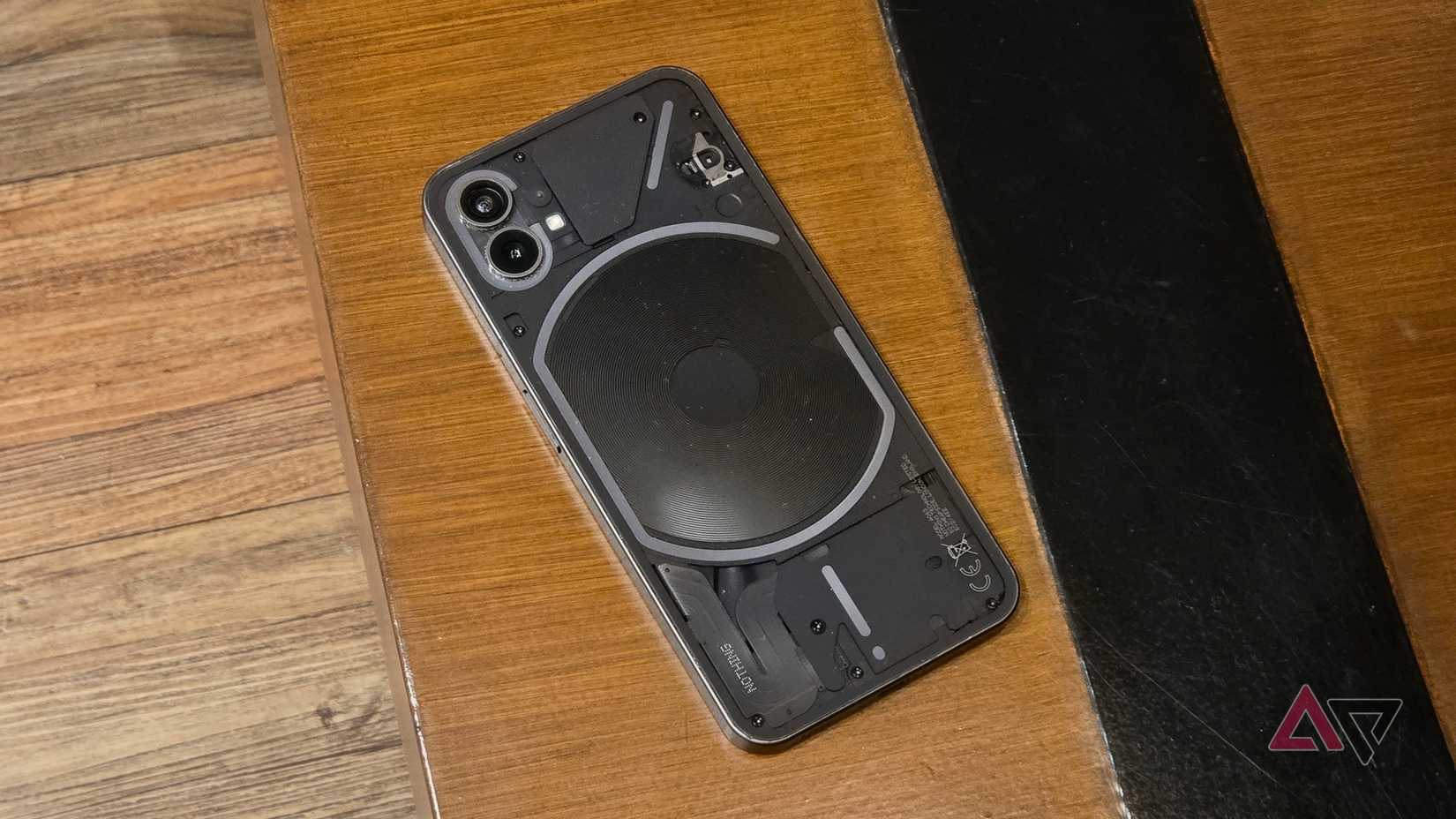
Nothing's first step should be to create a true flagship with the Phone 4. Given the two-year gap since the Phone 3, Nothing has a lot of time to develop an uncompromised flagship.
This means equipping the Phone 4 with competitive hardware fit for 2027, at least six years of software support, and a Glyph interface that's more useful than gimmicky. The same practice should apply to its midrange A-series.
Nothing has to absorb the criticism it has received so far and apply what it has learned since launching the original Nothing Phone in 2022.
The company has proven that it can respond positively to user feedback. When users complained about ads appearing on the lock screen of Nothing OS 4.0, the developers removed the feature that caused it in subsequent updates.
The company has already proven that it can respond positively to user feedback.
Nothing OS needs to go back to its roots of being as bloat-free as a . While there's novelty in having Essential Space and Essential Apps, adding too many features strays away from Nothing's minimalist ideology.
Lastly, Nothing needs to make its midrange lineups more enticing to budget-conscious users with more realistic pricing for the hardware that's offered.
When the Nothing Phone 1 was the only phone in the lineup, CEO Carl Pei promised his company would focus on its lone phone for the time being, only to go back on his word and announce the Phone 2 a few months later.
Now, Nothing is sticking with its flagship Phone 3 for an extended period. I'll take this as a sign that Carl Pei and his company have gone back to the drawing board to refine their upcoming device.
Nothing has to remember what made it special
When the original Nothing Phone came out, the transparent back and blinking LEDs were enough to turn heads. Tech nerds and casual users bought into the gimmick and were greeted by a legitimately solid smartphone.
Since then, Nothing's innovation has stagnated, and it has neglected offerings like longer software support and genuinely useful Glyphs in favor of aging hardware and an increasingly bloated OS.
Looking ahead to 2027, Nothing has a lot to rectify to compete against the likes of Google and Samsung. It's not impossible, as many of the changes I listed are realistic even by Nothing's standards.
Nothing has proven it can disrupt a stagnant smartphone market. It only has to improve the features that users care about. If nothing changes, I'm jumping ship to another brand.