Clever production design, wry humor, and stellar performances make this a worthy MCU addition.
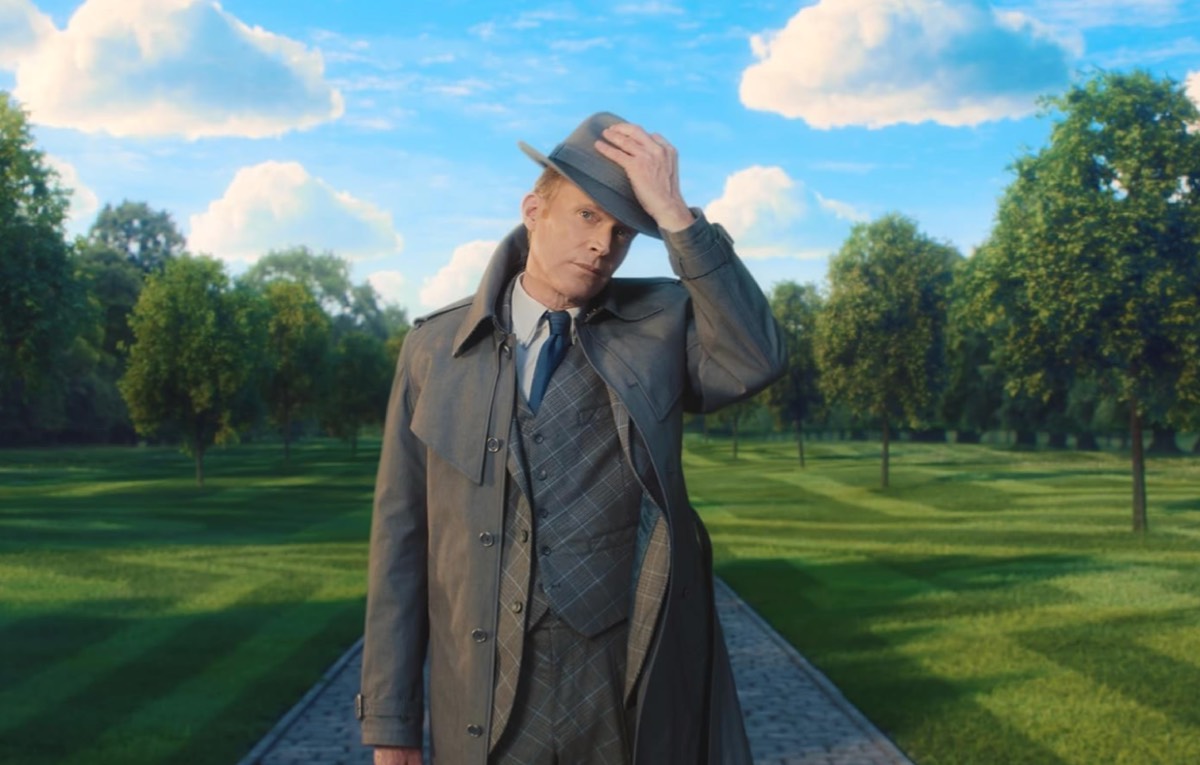
Marvel’s so-called Multiverse Saga has struggled to consistently reach the heights the franchise achieved with its earlier Infinity Saga earlier that culminated with and . and its sequel, , are among the shining exceptions, to which we can now add the third series in the set: . There are a few nitpicks with the convoluted plot, but on the whole, is top-notch entertainment tat brings the entire trilogy to an emotionally satisfying conclusion.
(Spoilers below, including for and but no significant reveals for until the second gallery.)
Here’s a brief recap of the background context one needs for . provided a quirky, inventive vehicle in which to explore Wanda Maximoff’s (Elizabeth Olsen) grief at losing Vision (Paul Bettany) in Infinity War. The series resurrected Vision via Wanda’s chaos magic when she turned the entire town of Westbrook, New Jersey, into her personal wholesome family-oriented sitcom, imprisoning her neighbors as supporting players in the process.
focused on ‘s witchy antagonist, Agatha Harkness (Kathryn Hahn), trapped in Westview in her nosy neighbor persona by Wanda’s magic. Once released, a reluctant Agatha befriended a teenaged boy who turned out to be Billy Maximoff (Joe Locke), one of Wanda and Vision’s twins, whose soul took over the body of a dying boy as Wanda’s hex unraveled at the end of . In the finale, she helped Billy track down the soul of his twin, Tommy, and place him into the body of a teen boy who was drowning.
But what happened to Vision? The version in the hex dissipated with Wanda’s spell, but not before S.W.O.R.D. sent in a rebuilt, all-white version. The two Visions battled it out, until a discussion about the Ship of Theseus paradox, and Hex-Vision’s restoration of the rebuilt synthezoid’s memories, convinced the new Vision to depart.
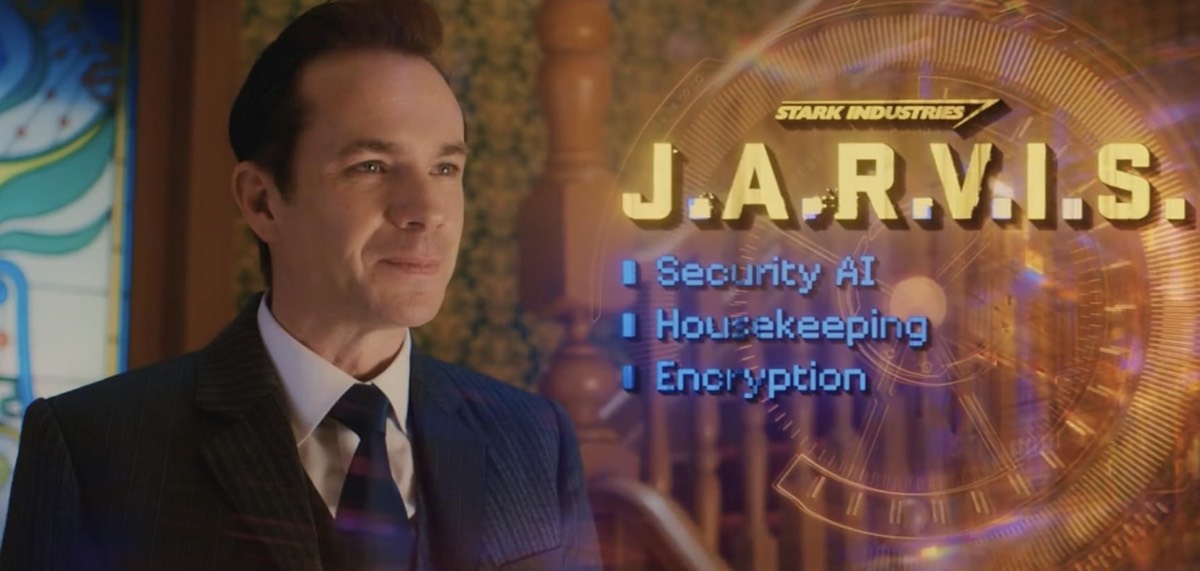
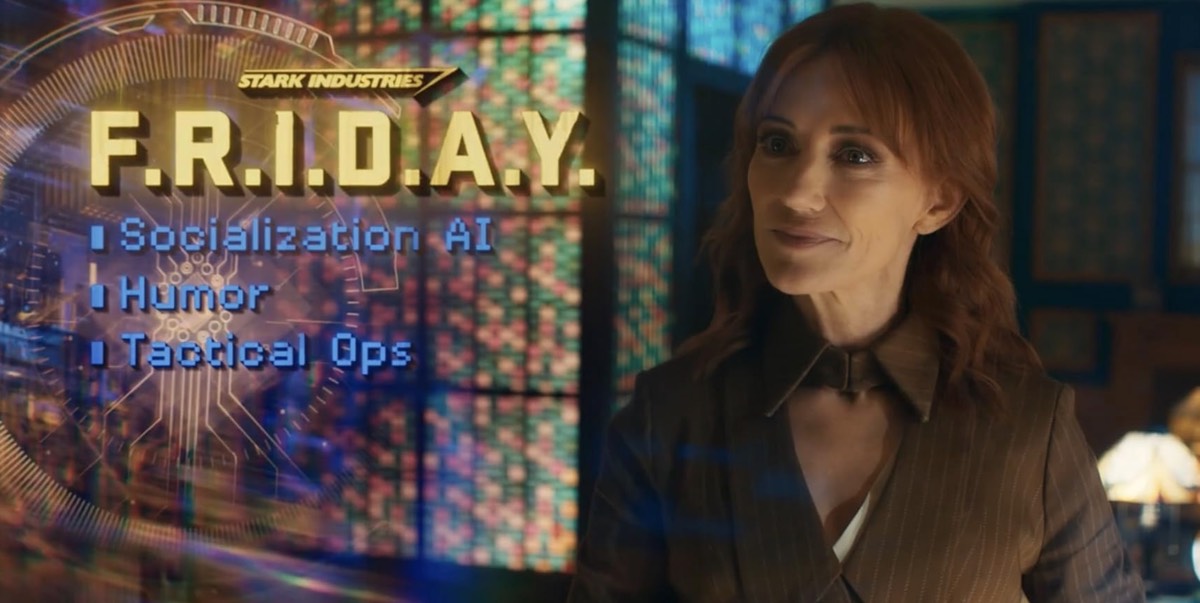
picks up a few years later. Vision, in his human guise, is working in a pub in Edinburgh, retreating each night to his personal Mindspace, where he grapples with his predecessor’s memories in an attempt to connect with them emotionally. The Mindspace is populated by several other AIs—past programs of Tony Stark that Vision has preserved, all taking on human avatars in the Mindspace: E.D.I.T.H. (Emily Hampshire), J.A.R.V.I.S. (James D’Arcy), F.R.I.D.A.Y. (Orla Brady), U. (Jonathan Sayer), and D.U.M.-E. (Henry Lewis). (Nerdist has a handy guide to each of these, and their MCU appearances over the years.)
Into the Mindspace
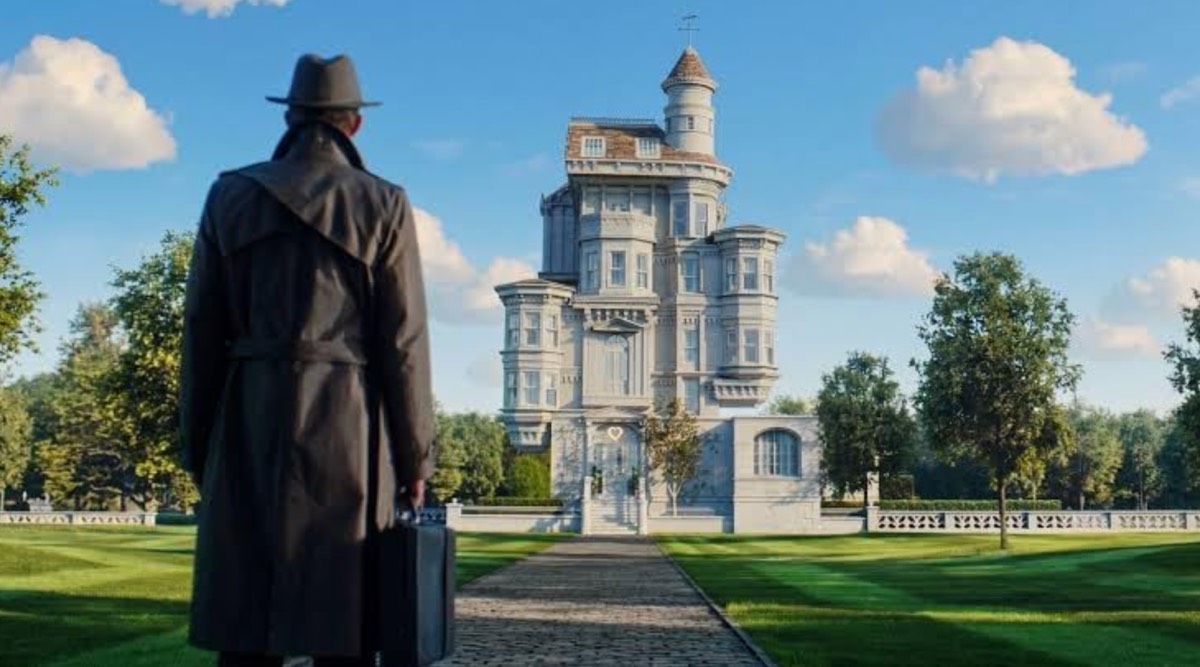
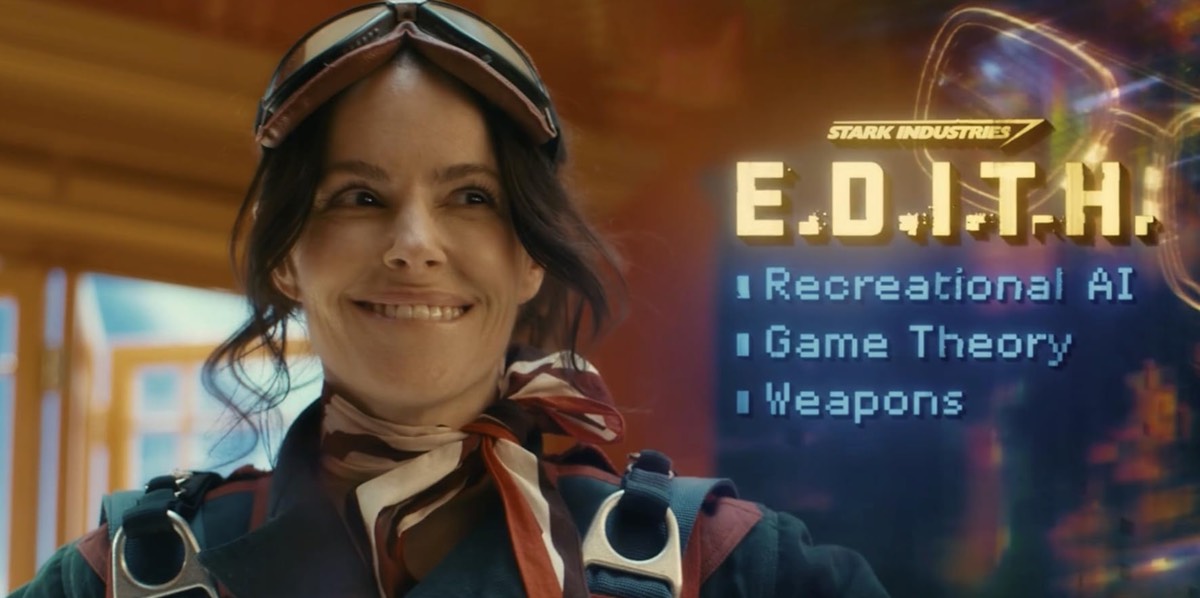
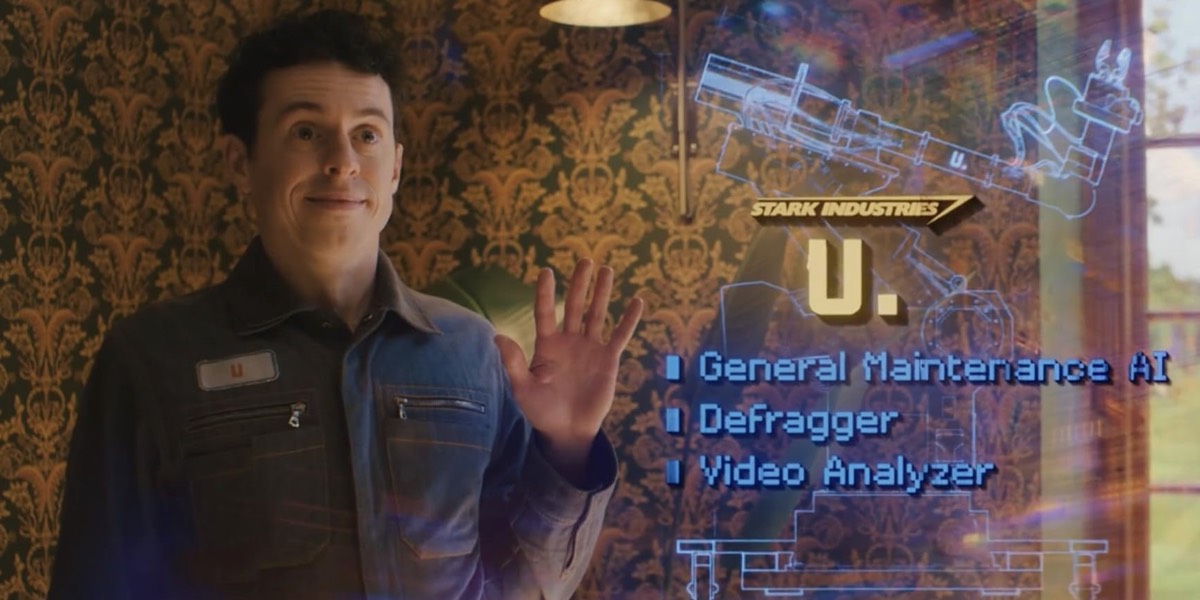
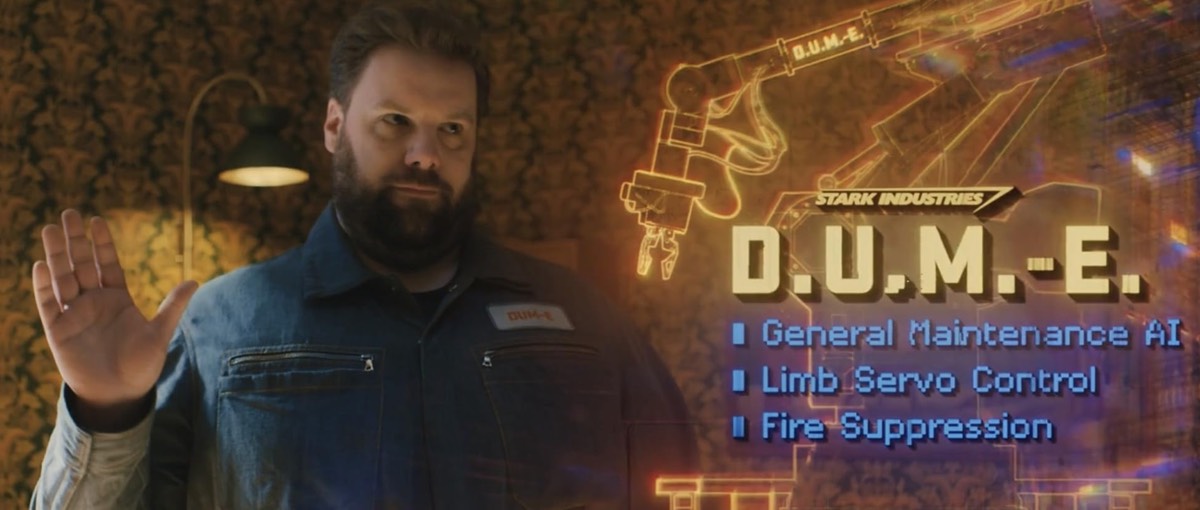
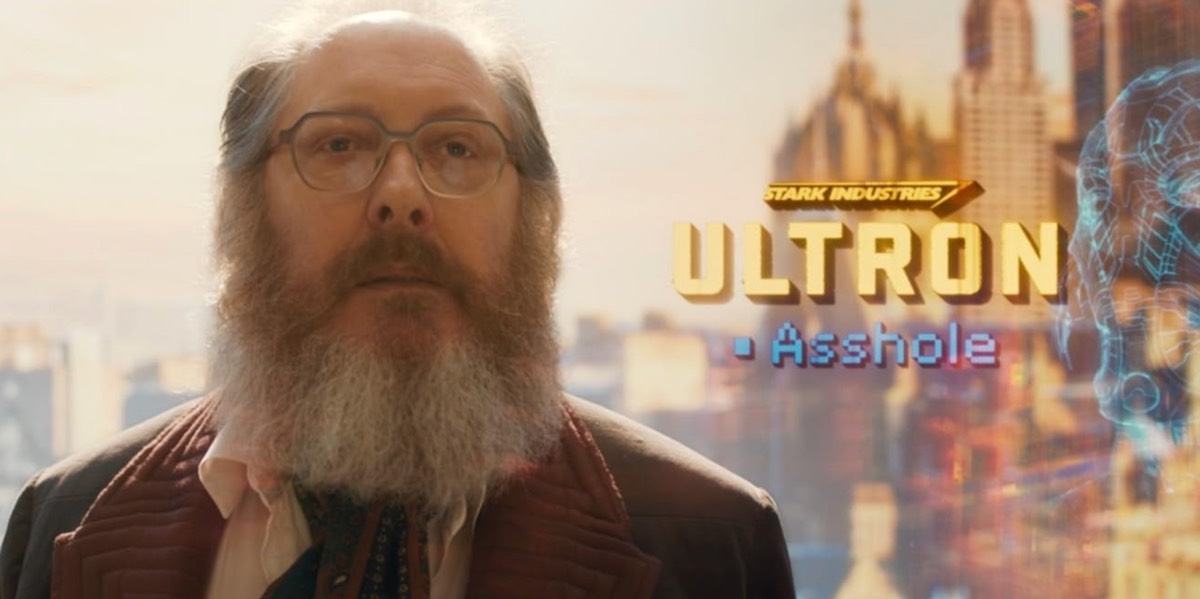
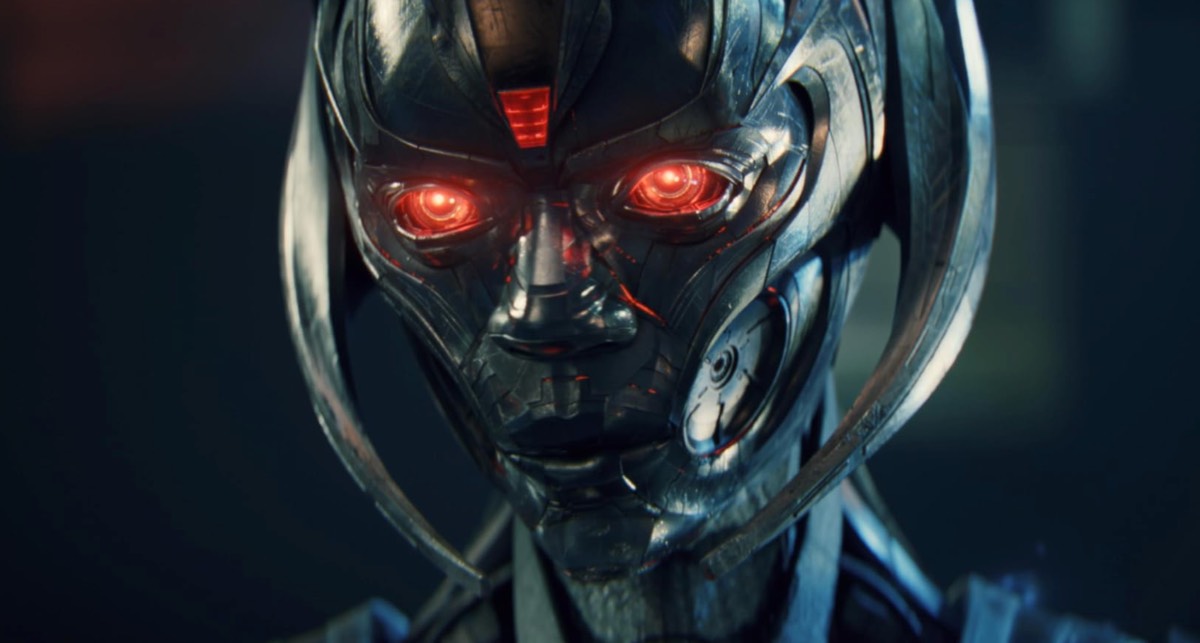
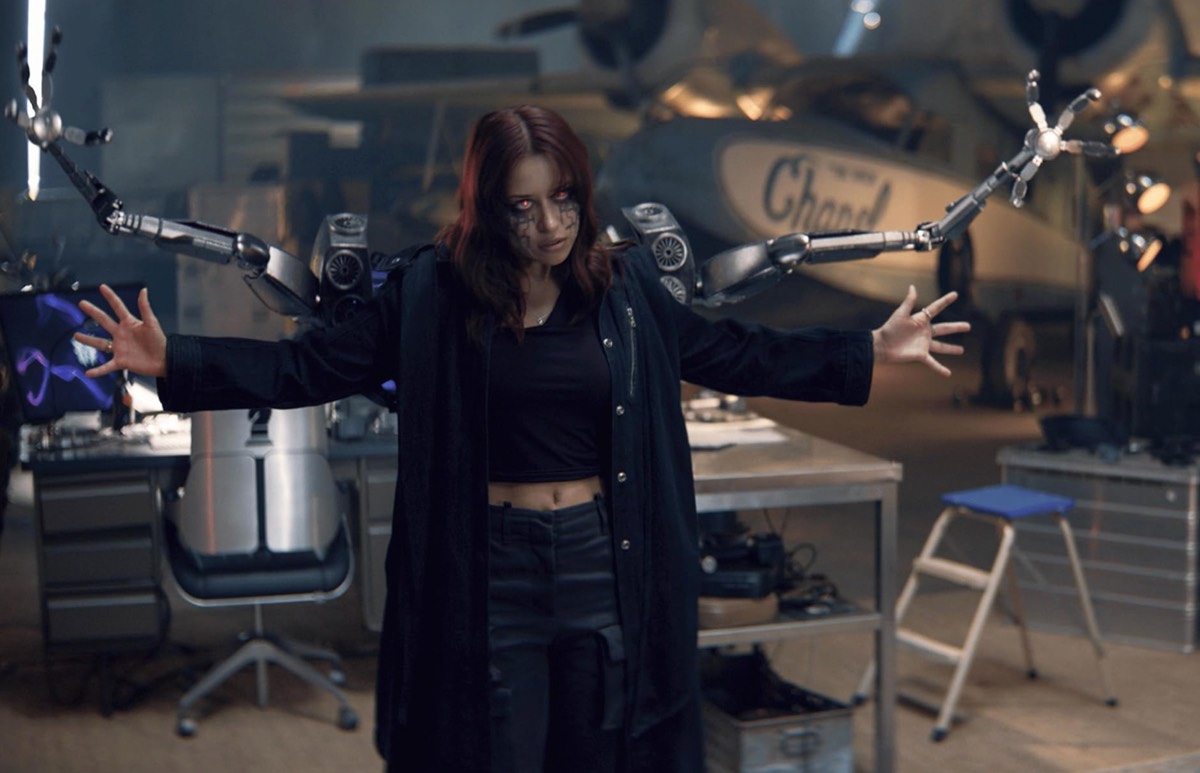
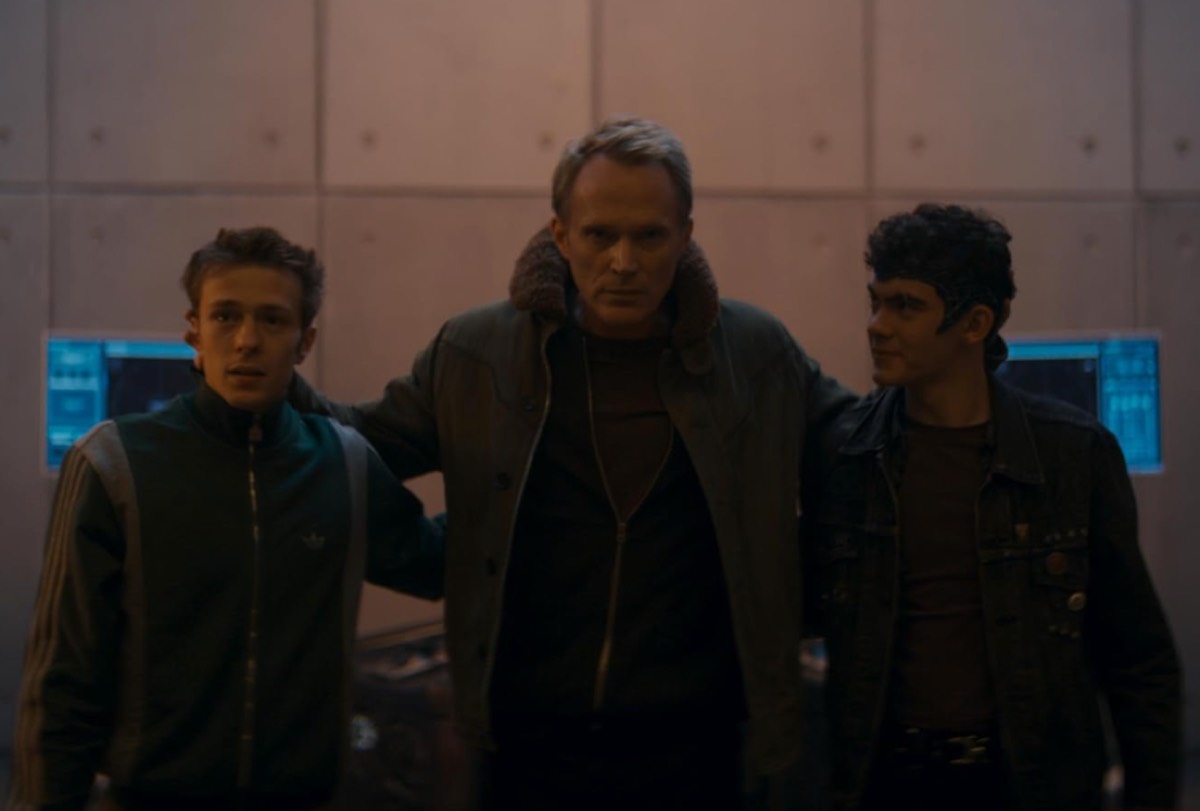
Vision has also preserved Ultron’s code—the AI android who tried to wipe out humanity in . Ultron (James Spader) is confined to an attic in the Mindspace with limited internet access. When Ultron learns there is a bounty on Vision, he alerts the bounty hunter, Paladin (Todd Stashwick), to Vision’s whereabouts. When brute force fails, Paladin resorts to kidnapping a young grifter, Thomas Shepherd (Ruaridh Mollica)—who is also Tommy Maximoff—to lure Vision into a trap. It’s only a matter of time before Ultron finagles his escape.
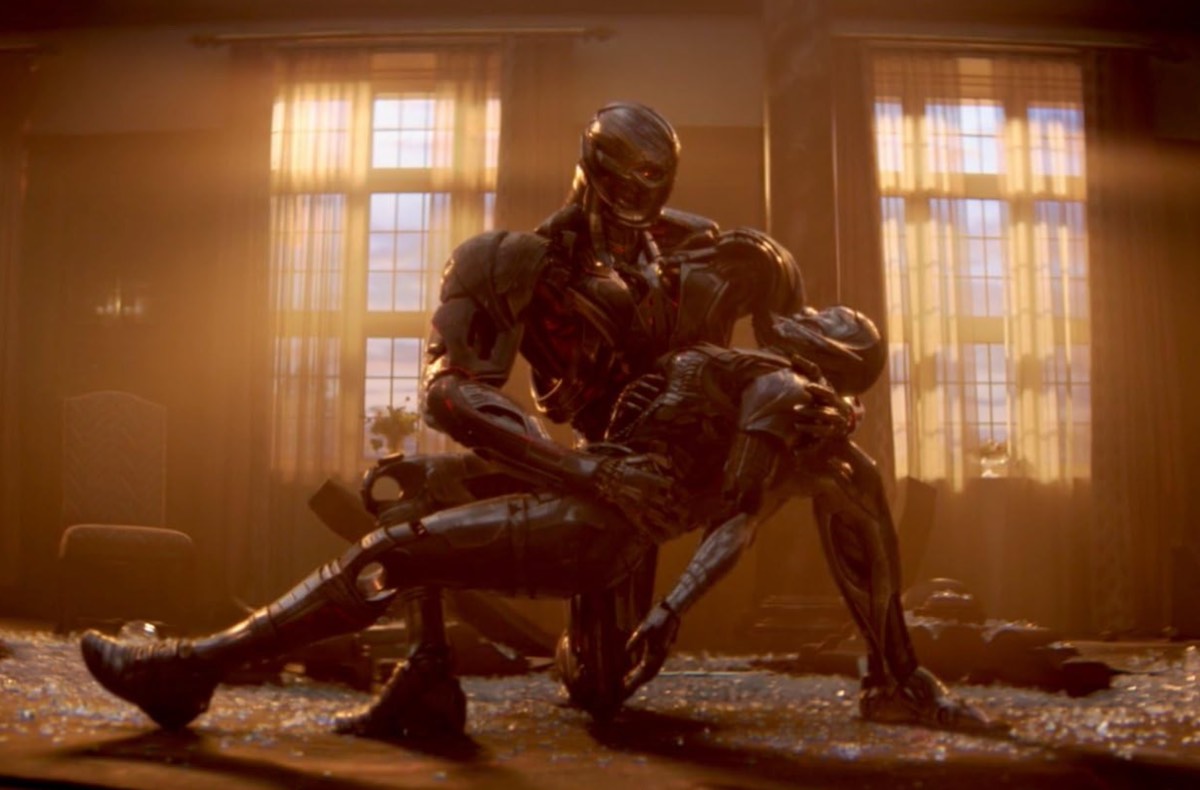
Showrunner Terry Matalas has assembled a stellar cast, but casting Spader as Ultron was a particular stroke of genius. The actor brings his trademark languidly caustic charm and even a hint of warmth to the murderously misanthropic AI. Ultron has evolved in the Mindspace into something a bit more human, which makes him far more interesting as a character. His love/hate relationship with Vision—his “son” in some respects—is a primary driver of the series; he and Bettany play off each other beautifully. Ultron even gets a love interest: a murderous synthezoid named Jocasta (T’Nia Miller).
Paul Bettany gives a career-making performance as Vision—actually various incarnations of Vision, as well as an early 20th century scientist named James Horton, who created the world’s first synthezoid. (That source code, later acquired by Tony Stark, was the foundation for all subsequent AIs in the MCU.) Bettany shifts seamlessly between these different roles. Vision must also navigate an awkward budding relationship with Tommy, both struggling with identity crises and their own private grief and loss—thus preserving thematic continuity with the two shows that preceded .
Kudos also to production designer Will Hughes-Jones, who didn’t rely on generative AI for the overall conceptual look but did capture something of its aesthetic for Vision’s Mindspace—there are banisters that don’t lead anywhere, for instance. It’s meant to feel surreal, like something AIs might come up with to house their human-shaped avatars. Hughes-Jones weaves in elements of Edward Hopper paintings, the works of M.C. Escher, and a ton of sly pop culture influences.
(Warning: significant spoilers below.)
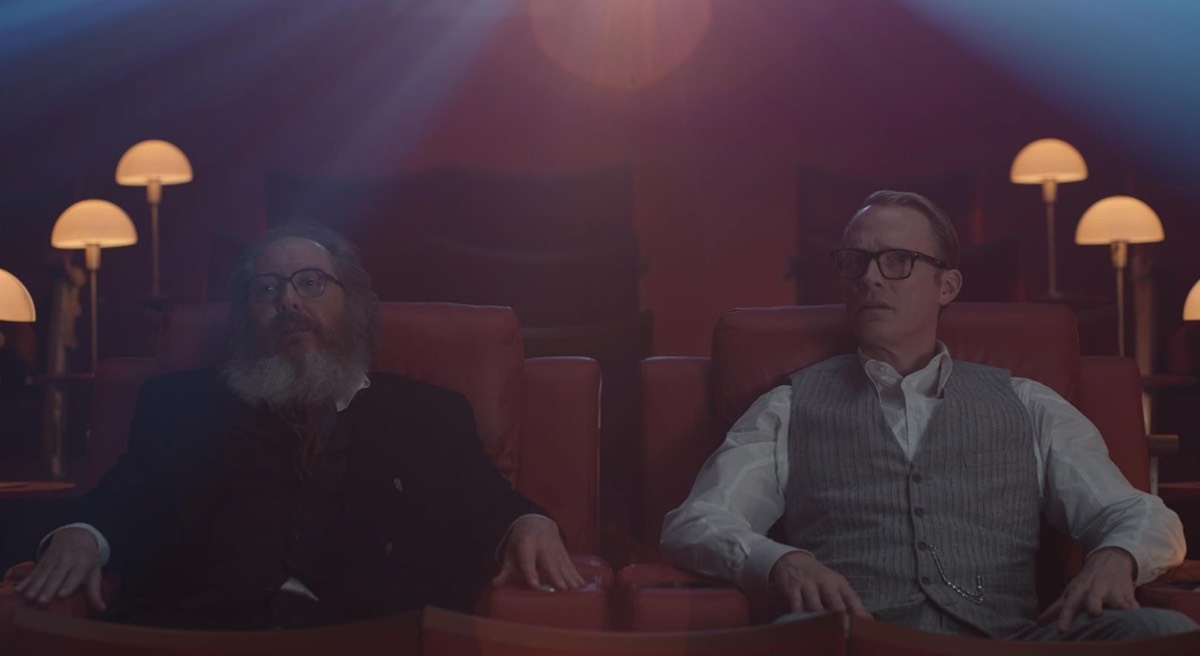
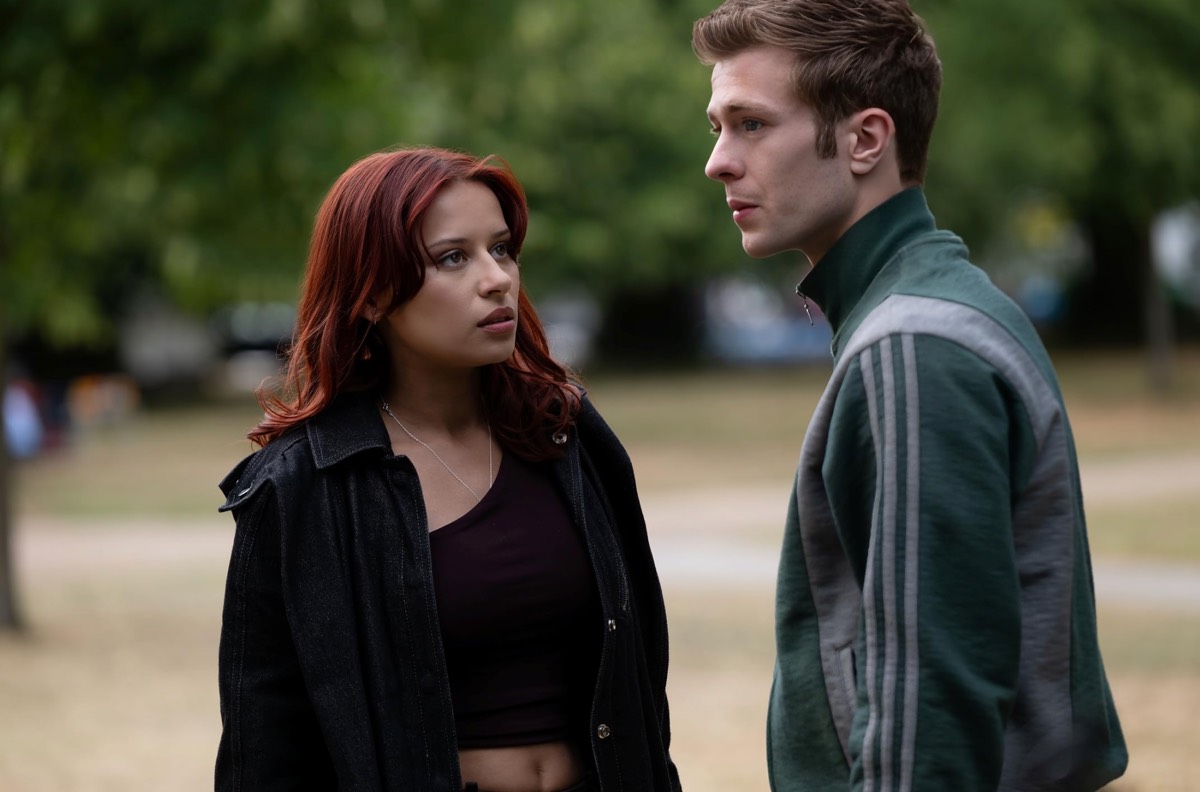
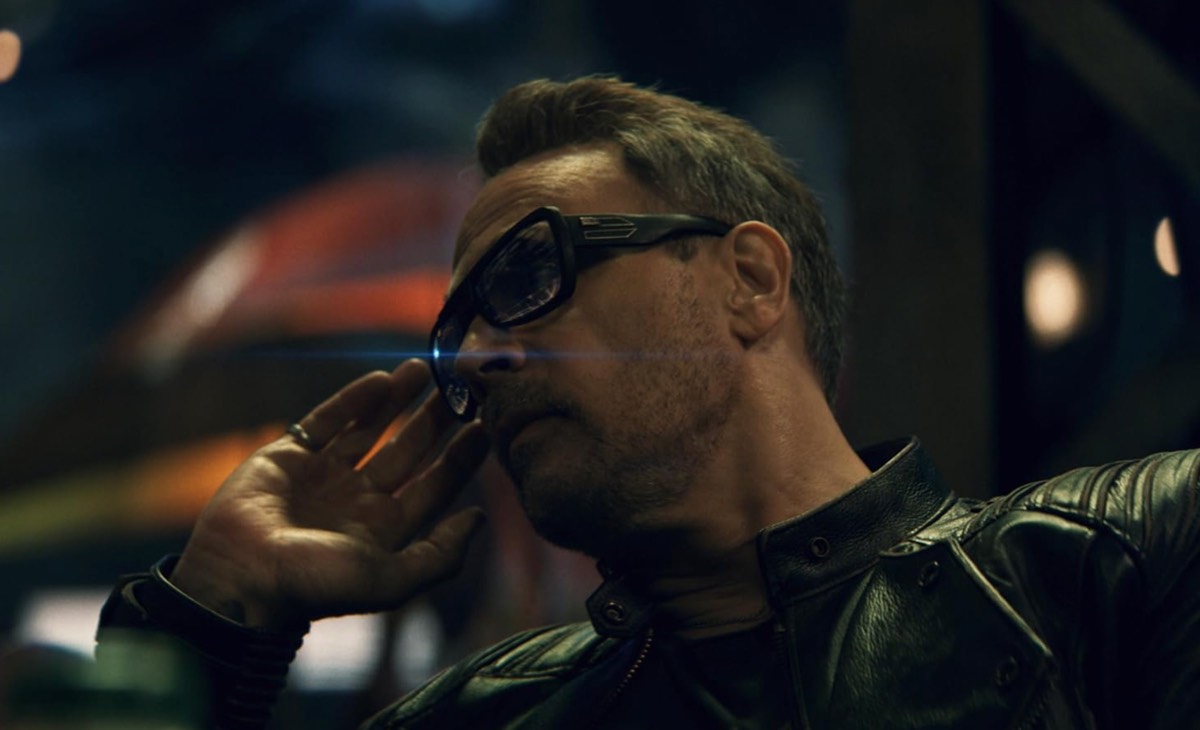
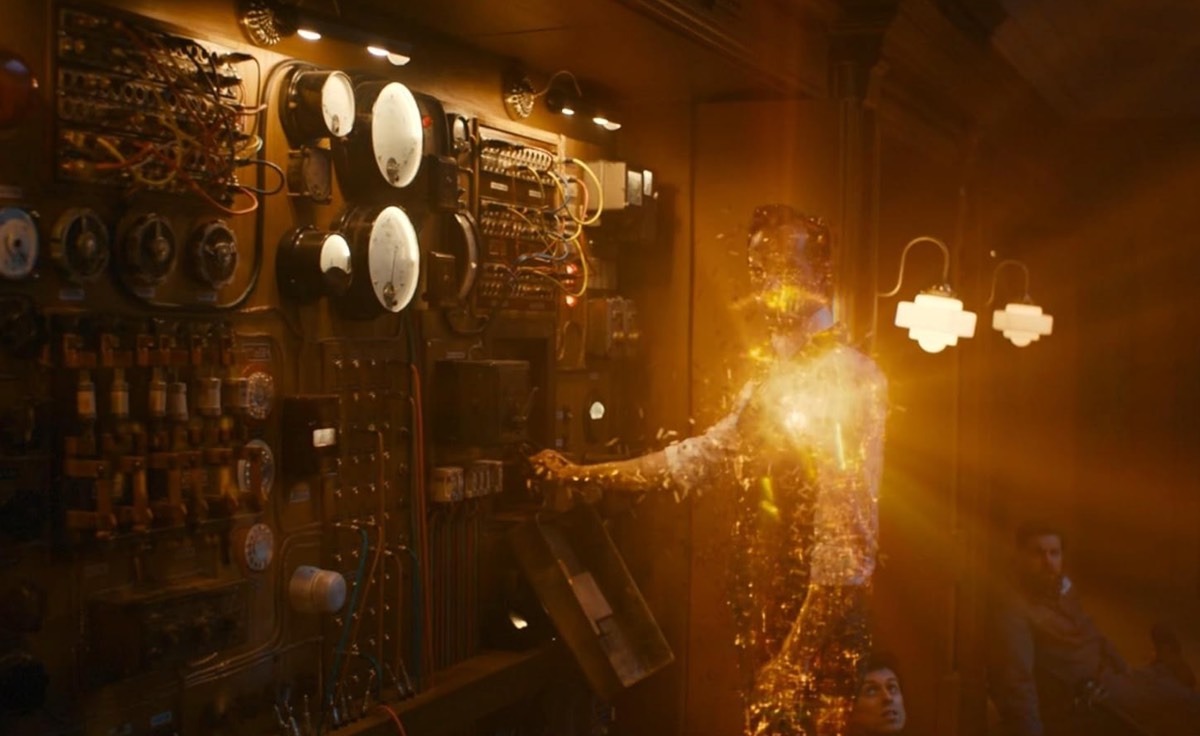
cleverly filmed each episode in the style of one of Wanda’s favorite classic sitcoms from the 1960s, 1970s, 1980s, 1990s, and early oughts. incorporated sly references to various depictions of witches in pop culture through the ages. keeps that theme going in its own way, incorporating design callbacks to different film genres in the Mindspace—such as the Sherlock Holmes/detective motifs the AIs take on as they try to figure out who has been targeting Vision (and by extension, them). In the finale, Vision creates his own virtual sitcom in the Mindscape to hash things out with Ultron, called providing a delightfully clever framework for the healing to begin in one last “Very Special Episode.”
My primary quibble with is the plotting. It’s needlessly complicated and overstuffed with MCU Easter eggs—did we really need a cameo by the Ten Rings Syndicate? This only serves to muddle the overall focus and, frankly, probably limits the audience, since one needs to be familiar with quite a bit of MCU lore to truly follow along. Nobody wants to have to do homework just to enjoy a TV show.
Marvel has a long tradition by now of mid-credits scenes, but the gimmick is starting to show its age. has two, the second of which sets up a resurrected Wanda’s likely return in the forthcoming Avengers: Doomsday. I get why the scene was deemed necessary but it mostly serves to dilute what was otherwise an exceptionally well-executed, powerful finale. is the weakest of the trilogy, in my opinion, but it’s still among the strongest offerings among Marvel’s stable of TV shows. Hardcore fans shouldn’t be disappointed.
All episodes of are now streaming on Disney+.