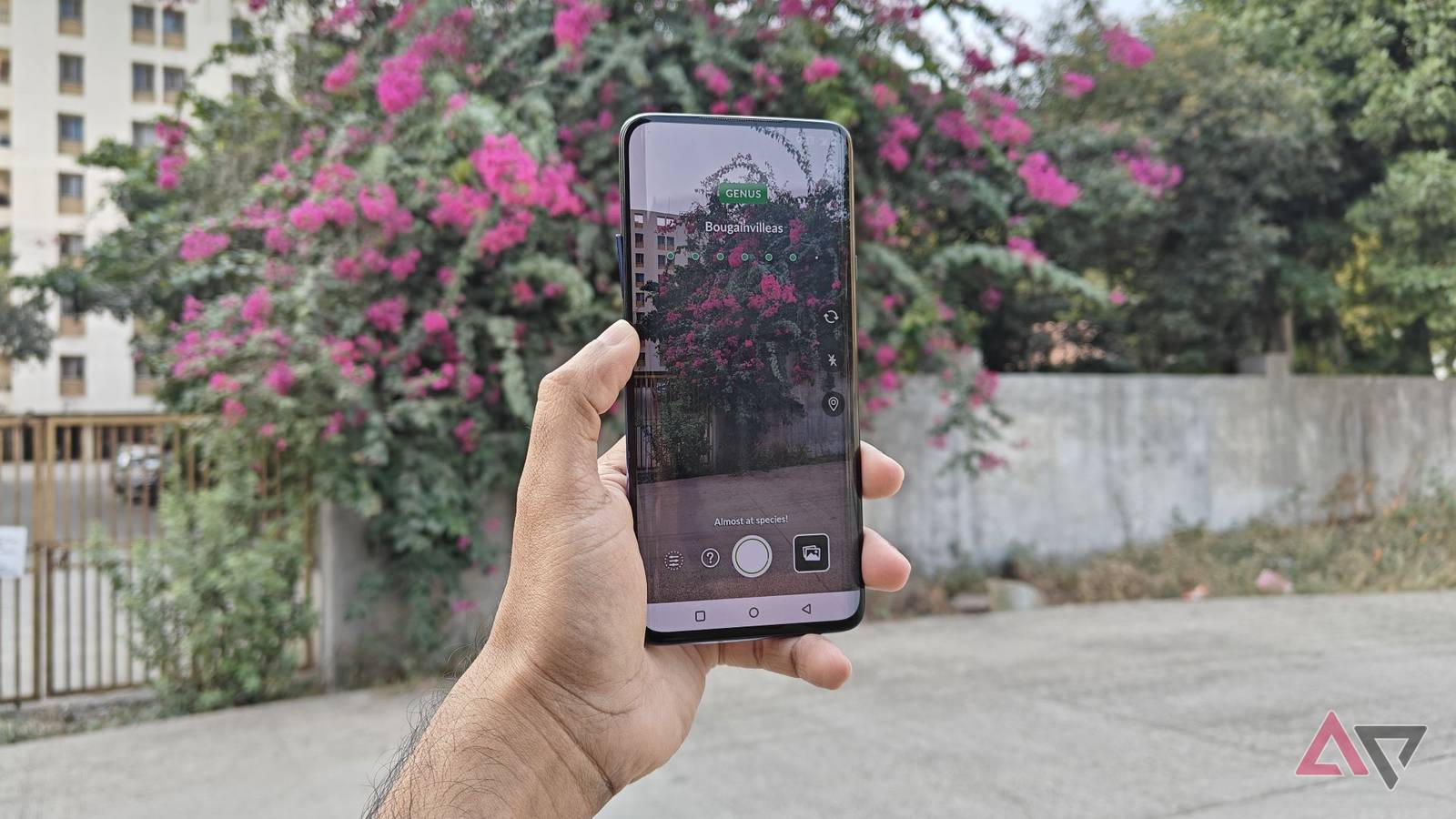
I spend most of my workday sitting in front of a computer, so going for an evening walk is one of the easiest ways to get some movement in.
I've also started paying more attention to the things I see along the way, from unfamiliar plants to insects hiding in the grass.
I've been using Seek by iNaturalist to identify some of these discoveries, and it's become a more about the surrounding wildlife.
It's given my walks a fun new purpose, and it reminds me there's more to explore around me than I might notice otherwise.
I can identify almost anything I find on my walks
Seek does the detective work
The Seek app by iNaturalist makes identifying plants, insects, birds, and other living things surprisingly easy.
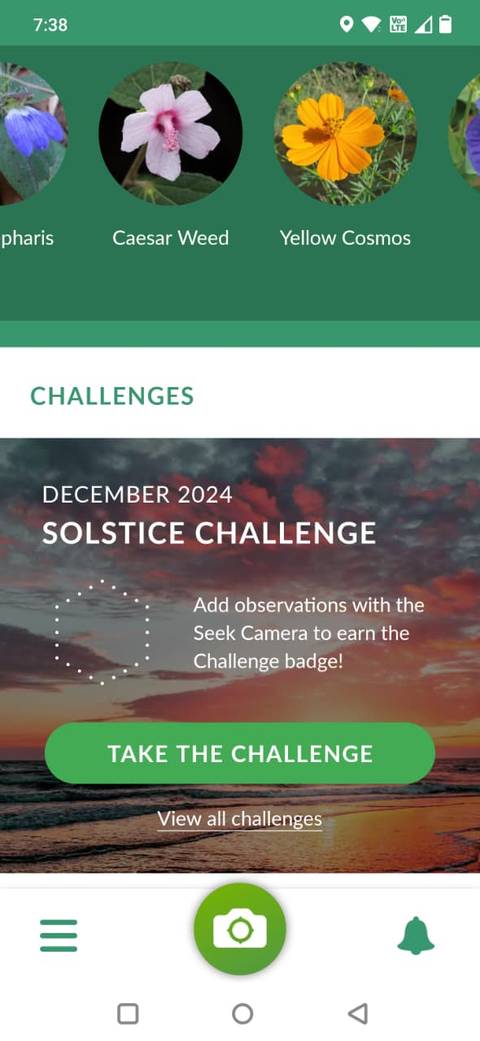
To get started, tap the at the bottom of the screen to open Seek's camera. Point it at a plant, flower, insect, or other organism and keep it within view.
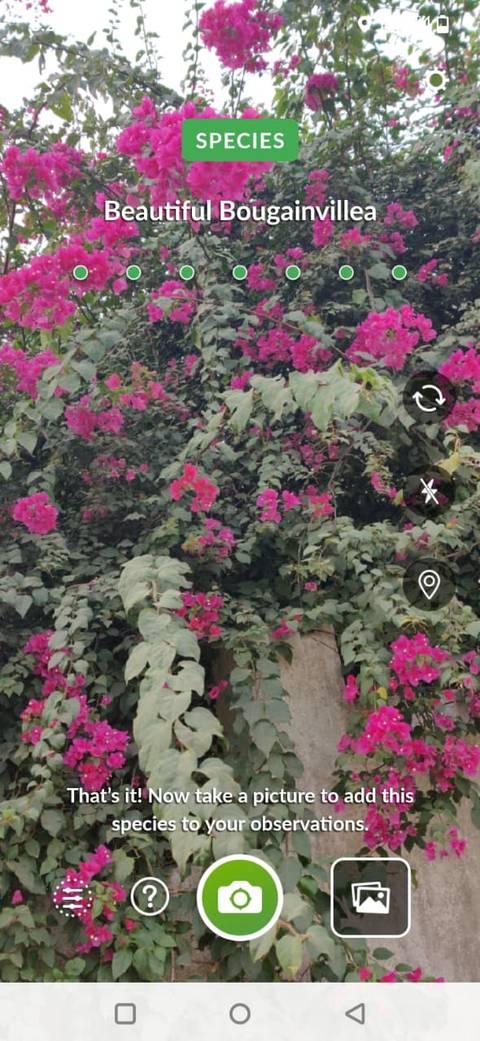
The app analyzes what it sees and displays possible matches, gradually narrowing down the identification as it recognizes more details. For the best results, I try to get a clearer view, move closer when possible, and keep the subject in focus.
As I move the camera around the subject, Seek uses an identification meter to show how close it is to a match. The more details it recognizes, the more specific its suggestions become.
After it identifies the organism, tap the to capture it and add it to . Tap the discovery to view its name and learn more about it.
I can discover what species are commonly found around me
I know what to look for before heading out
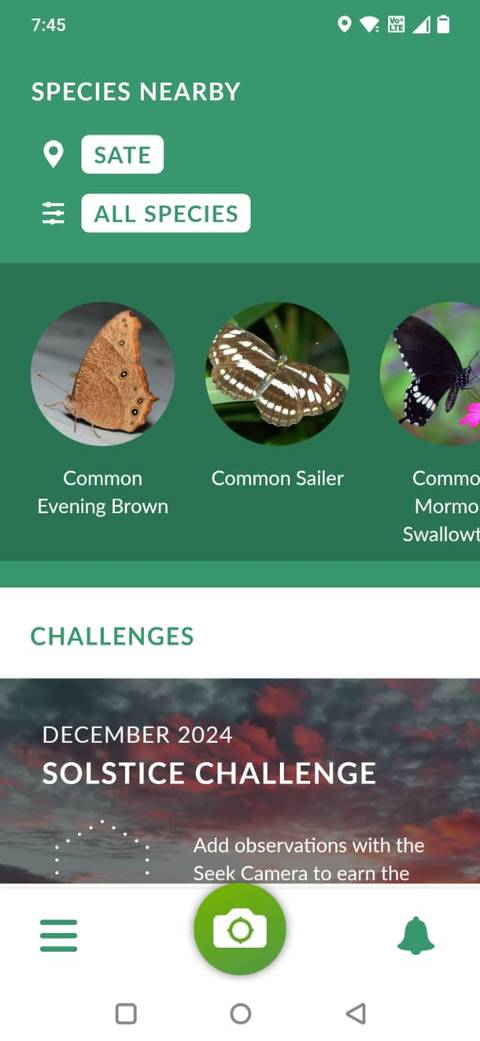
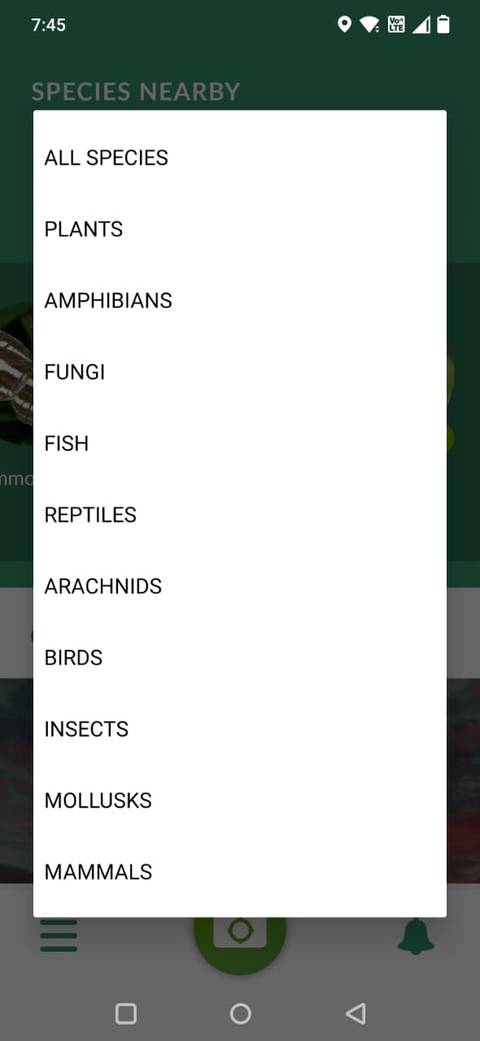
One feature I enjoy is , which gives me an idea of what plants, insects, birds, or other animals I might encounter. Occasionally, I browse the species listed in my area to see what I should look out for on my next walk.
The feature is available on the app's home screen. Seek uses your approximate location to suggest commonly recorded species nearby.
I use these suggestions as a checklist for my walks. If I spot a species I've already seen on the list, I point the Seek camera at it to identify it and add it to my observations.
Collecting badges makes every discovery feel rewarding
Monthly challenges give me more badges to chase
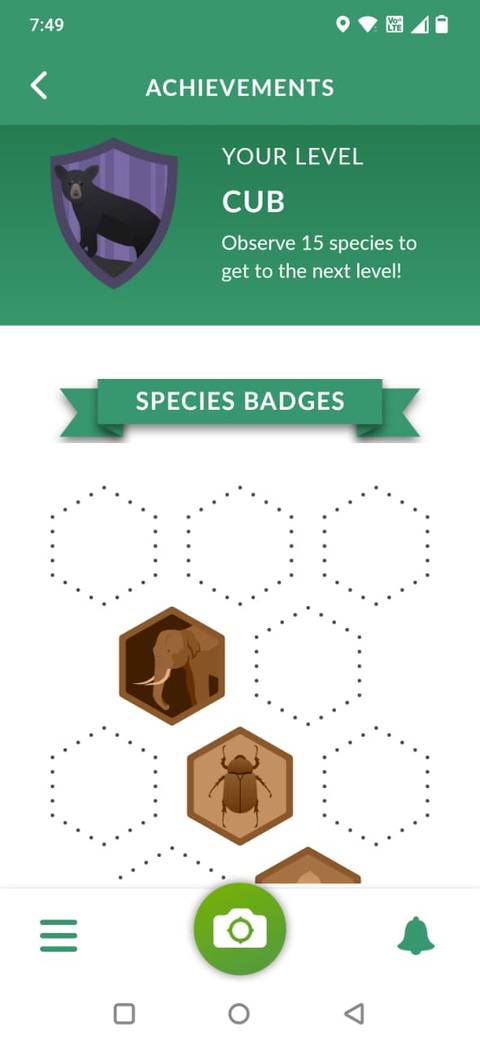
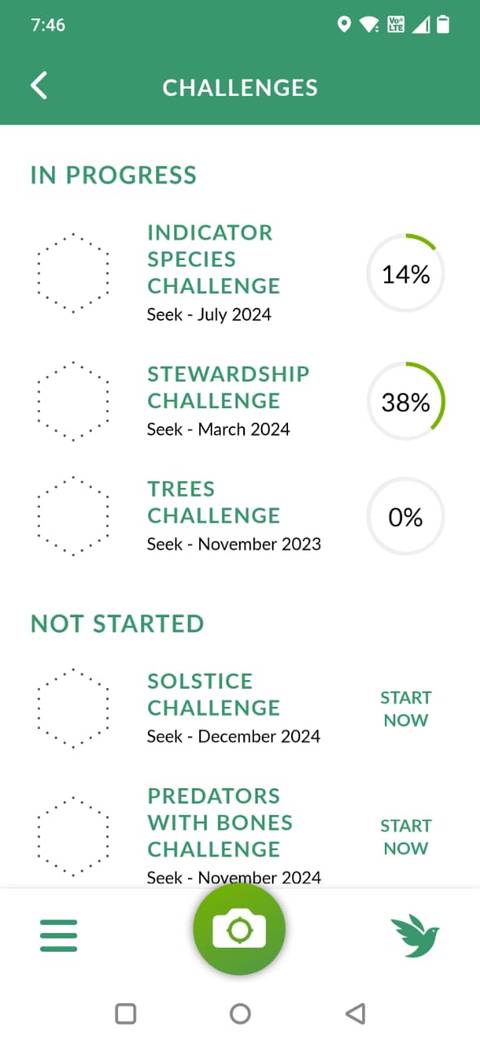
Identifying a new plant or insect is fun on its own, but Seek's badges give me another reason to keep exploring.
Much like rewards players for catching different Pokémon, Seek encourages you to discover more species by turning each identification into progress toward achievements.
Whenever I identify something new, the app adds it to my collection and awards badges based on what I've discovered. Seek includes badges for different categories, such as plants, insects, birds, and fungi.
As I identify more species, I unlock additional achievements. The app also has monthly observation challenges, which include specific groups of organisms to look for.
No sign-up or internet connection required
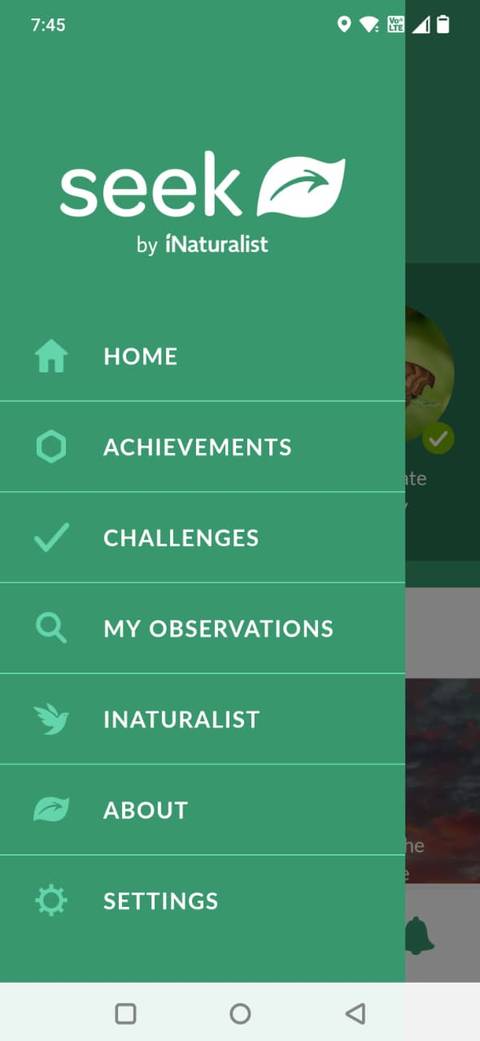
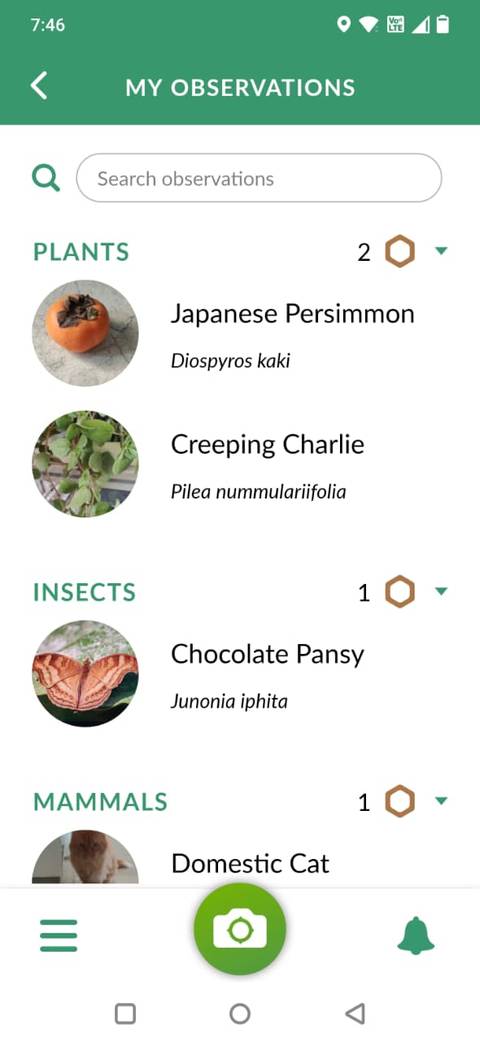
Another thing I like about Seek is that I can use it without creating an account.
I don't even need an internet connection to use its identification feature, which makes it convenient when I'm out walking and don't want to worry about mobile data or connectivity.
Seek stores my observations, collected badges, and discoveries locally on my phone. The app uses my approximate location to suggest species commonly found nearby, but it obscures my precise location.
If I want to share my discoveries, I can sign in with an iNaturalist account and submit them to the platform. However, that's entirely optional.
Seek doesn't always get it right
My cat fooled the app's image recognition
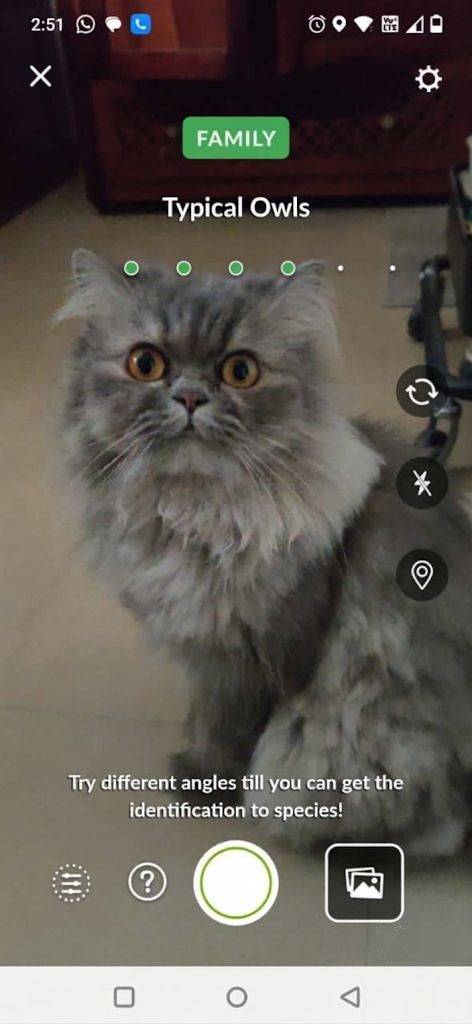
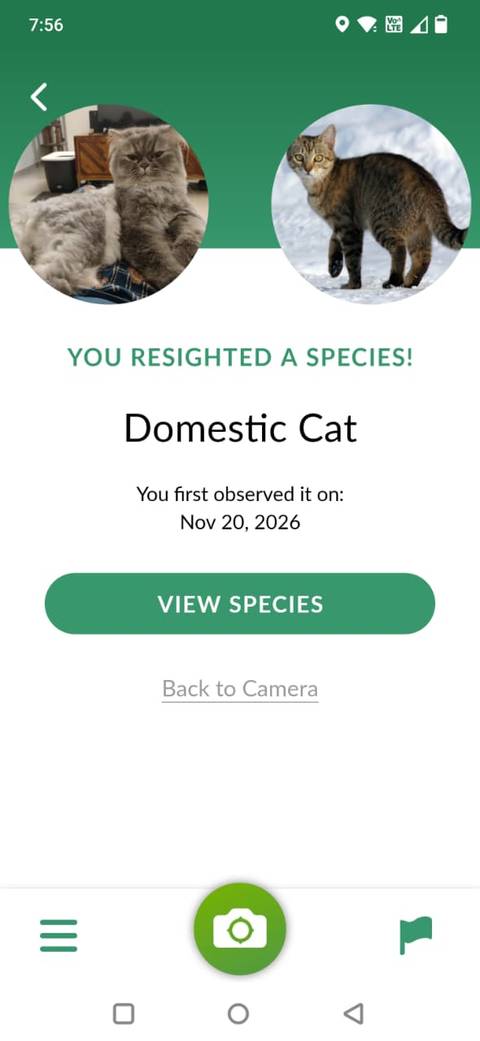
Seek's image recognition is useful, but it isn't always accurate. I discovered this while testing the app.
Just for fun, I pointed my phone's camera at my gray Persian cat, who has amber-colored eyes, in a poorly lit room. For a few seconds, the app identified her as an owl.
I moved the camera to a different angle, and it eventually recognized her as a domestic cat. I got a good laugh out of the mix-up, but it also reminded me that Seek's identifications aren't always reliable.
While mistaking my cat for an owl was harmless, a similar identification error could have more serious consequences when identifying wild plants or mushrooms.
A 2023 study published in Clinical Toxicology tested three mushroom identification apps, including iNaturalist, and found that none was reliable enough to rule out potentially poisonous mushrooms.
Some poisonous varieties also closely resemble edible ones, making visual identification tricky. While Seek can help me learn about unfamiliar species, I wouldn't use it to decide whether something is safe to handle.
I found a new reason to look forward to my evening walks
Whether I'm identifying an unfamiliar flower, spotting an insect, or trying to find a plant to earn a badge, there's always something new to look out for. I even get a little from the occasional misidentification.
Seek isn't perfect, but as a free way to explore the natural world around me, it's been a surprisingly fun addition to my walks. I might not be catching , but I'm discovering plenty of real-life creatures along the way.