Should you take a screen protector off if it's broken? Here's all the key maintenance tips and when it's time for a replacement.
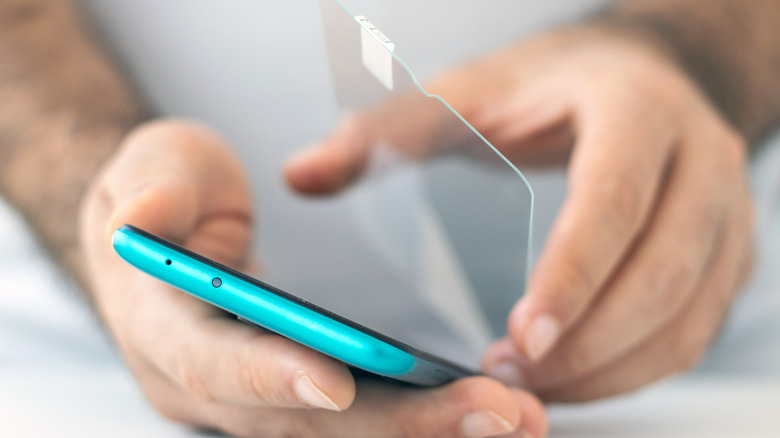
On a daily basis, your phone can take a beating. It's likely in and out of your pocket or bag, tossed on a table or desk, or getting roughed up by your keys. And because phones aren't cheap, there's a good chance you've got a screen protector, in case your phone jumps out of your hand and onto the concrete.
The right screen protector can be a solid line of defense when it comes to keeping your phone in good condition. It can ward off scratches and cracks and cut down on the inevitable wear and tear that comes with carrying around a device everywhere. There are other reasons you might be interested in a screen protector too, beyond damage protection. For example, you might opt for one that reduces glare and blue light, particularly if you use your phone a lot. You can also find screen protectors that make it harder for people around you to see what's on your screen, if you're interested in upping your privacy. Just don't use a screen protector on a foldable screen. It has one applied at the factory and can end up causing problems rather than preventing them.
Regardless of your reason for selecting a screen protector, you shouldn't keep it on for the duration of your phone's life — especially if you're seeing cracks, discoloration or peeling. Here are some signs it's time to replace it.
When to replace your screen protector
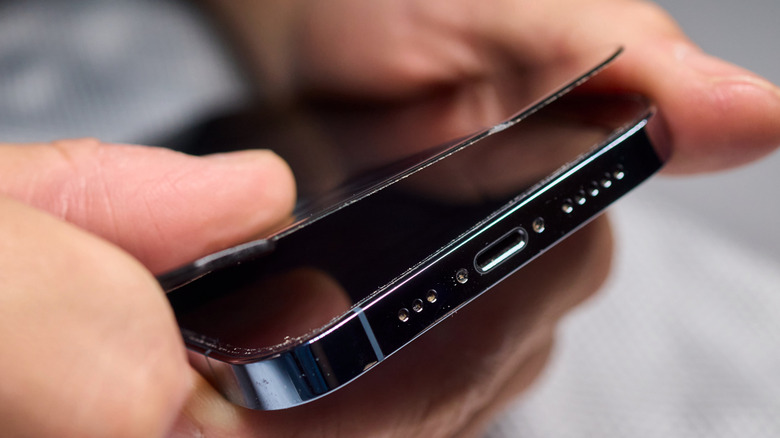
There are a few ways to know if it's time to replace your screen protector. Visible damage is the most obvious indicator. If your screen protector is coming loose, bubbling, peeling or has scratches on it, it could be your moment to get a new one. There are also other signs to keep an eye out for. For example, your screen protector might start to yellow, or the touch screen might seem less sensitive.
You might even see a haze develop, or notice that the screen isn't quite as clear. Smudges and fingerprints might not wipe off as easily as they used to, which could be a sign that the oleophobic coating is wearing away. An oleophobic coating is what fends off oil, like what might transfer from your fingers to your screen.
Part of the reason you'll want to keep an eye out for these signs is that a deteriorating screen protector won't be as effective in safeguarding your phone. There's no set timeline for how long a screen protector will last. It will depend, in part, on how you use it and the quality and makeup of the protector.
How to take care of your screen protector
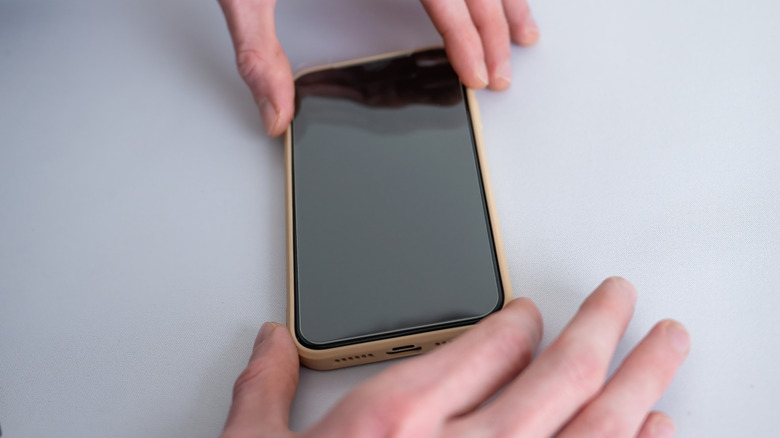
There are also a few ways you can take care of your screen protector along the way. For one, use a microfiber cloth to clean the protector without damaging it. Avoid anything abrasive like paper towels. It's also a good idea to know what your screen protector might be made of or coated with, whether it's an oleophobic coating or an anti-blue light coating.
Using certain cleaning agents could actually strip your screen protector's coating. This can include harsh chemicals like ammonia or bleach. Alcohol in a higher concentration could also be a problem. Something like a disinfectant wipe might hurt a coating, even if a wipe seems pretty benign. The FCC also warns against spraying anything directly onto your phone. Instead, use that microfiber cloth. Dampening it will be enough.
Also know that factors like extreme temperatures, improper installation or excess pressure can all contribute to issues like cracks forming in your screen protector. So, if you're looking to extend the life of both your phone's screen and the protector on it, you can take a few precautions to do just that before the next time your phone takes a swan dive out of your hands.