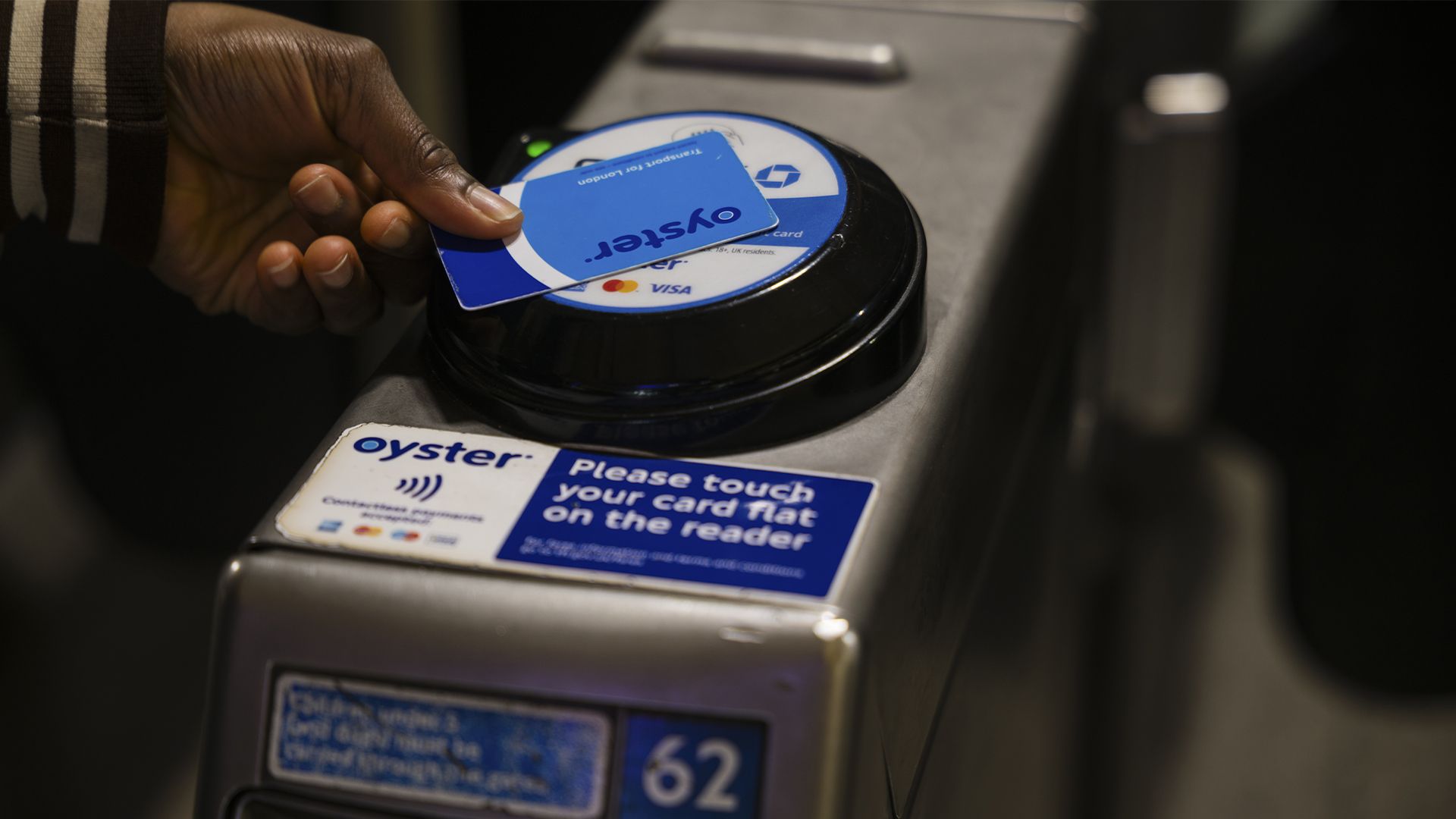
Transport for London (TfL) has revealed that data belonging to over 260,000 Oyster photocard customers was exposed following a cyber attack.
Data exposed in the incident is believed to include names, home addresses, phone numbers, dates of birth, email addresses, and even security questions.
The transport operator said it took the photocard system down after identifying suspicious activity. TfL has also informed affected customers and the relevant authorities, including the Information Commissioner’s Office (ICO).
No banking or payment-related information is thought to have been exposed in the breach, according to TfL, while passwords and customer photographs also remain secure.
The incident marks the second major breach for TfL in just over two years. In September 2024, an attack exposed anywhere up to 10 million people after hackers gained access to a customer database.
Oyster photocard breach: Users at risk of social engineering
In a statement given to , TfL’s director of technology strategy and revenue, Shashi Verma, said the operator acted swiftly upon discovering the breach.
"On 16 November 2026, we became aware that Oyster photocard customers were receiving emails asking them to create an account, when they already have a photocard account," Verma commented.
Sign up today and you will receive a free copy of our Future Focus 2026 report - the leading resource for IT decision-maker insight on priorities and investment areas in AI, security and more.
"We immediately took the TfL photocard website down while this was being investigated. The protection of personal information is a priority for us, and I apologize to our customers affected by this incident."
Those affected by the breach are said to include Zip Oyster card holders. These are used by children as well as students, veterans, and those over the age of 60.
Verma added that TfL's "current assessment" is that no names or dates of birth belonging to children with Zip Oyster cards were compromised.
"Due to the speed with which this incident was identified and addressed, we believe that the number of customers who could have been affected was significantly reduced," he said.
Regardless, Nathan Davies-Webb, principal consultant at Acumen Cyber, said the type of information leaked could “assist threat actors in identity fraud”.
“The most concerning element of this is the report that the data contains security questions and their answers,” he said. “This matters because organizations share themes in their security questions; it’s why there’s an industry joke about ‘asking for your mother’s maiden name’.”
Davies-Webb said this could allow threat actors to exploit other services used by victims or otherwise be used to curate more convincing social engineering attacks.
Phishing attacks are a common recurrence in the wake of a data breach, with cyber criminals pouncing on valuable information in a bid to dupe victims in follow-up attacks.
“The information also holds value for an extended period of time, because security questions and answers are designed around elements unlikely to change in a person’s life,” he said. One avenue I can imagine is phone scams that increase their legitimacy because they can ‘volunteer’ the information as a show of faith.”
Brian Higgins, security specialist at Comparitech, echoed Davies-Webb’s comments, noting that those impacted in the breach “cover some of the most vulnerable” such as over 60s and care leavers.
“It’s vital they understand how to protect themselves after a breach like this and TfL have a duty of care to ensure that they receive the best advice as swiftly as possible, especially since this has happened before,” Higgins commented.
“I’m sure they are heartened by the fact that the Information Commissioner found no wrongdoing the first time they allowed this to happen but that will be scant consolation for those affected this time.”