Does this herald the start of a small car revolution, or is it a meaningless distraction?
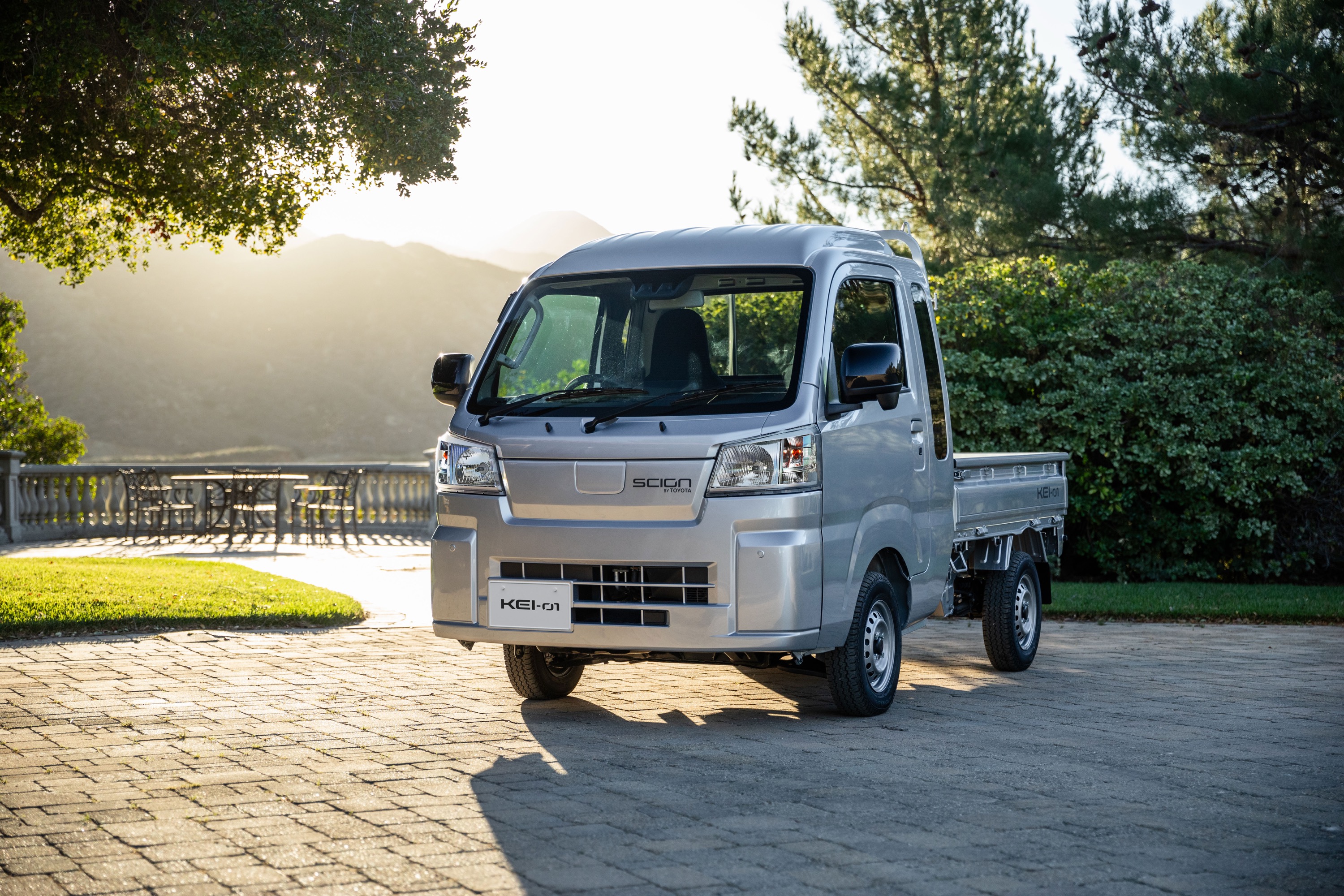
The idea that Americans should be offered a greater choice of smaller cars has support from strange bedfellows indeed. After all, who could forget President Trump—usually one to take a maximalist approach to any problem—announcing last year that he wanted the Department of Transportation to make Japan’s diminutive “Kei” cars legal here in the US.
Ars’ attempts to get DoT to tell us more about the potential influx of little vehicles have mostly fallen on deaf ears. But this week, there has been movement on the topic, with Toyota announcing that it will bring back the Scion brand with the KEI-01.
What’s a Kei car?
In the US, the preponderance of humongous SUVs is a consequence largely of government policies, specifically corporate average fuel economy standards that made it less profitable to sell smaller, efficient cars. Japan’s Kei cars are what happens if the government instead restricts the size, engine capacity, and power output.
A Kei car must fit within the following dimensions: 11.2 feet (3.4 m) long, 4.9 feet (1.5 m) wide, and 6.6 feet (2 m) tall, with an engine displacement of no more than 0.66 L and an output of 63 hp (47 kW) or less. That’s a far cry from the more than 16 feet (4.9 m) of a full-size pickup truck, but it makes sense for a country where you’re not allowed to buy a car unless you have somewhere to park it, with those spaces being at an absolute premium.
Being affordable to buy and economical to run sure doesn’t hurt either, and last year, Japan bought almost 1.7 million Kei cars, out of total sales of 4.6 million vehicles. Depending on where you live in the US, it can be varying degrees of difficult to import a Kei car, at least until now.
Scion is back?
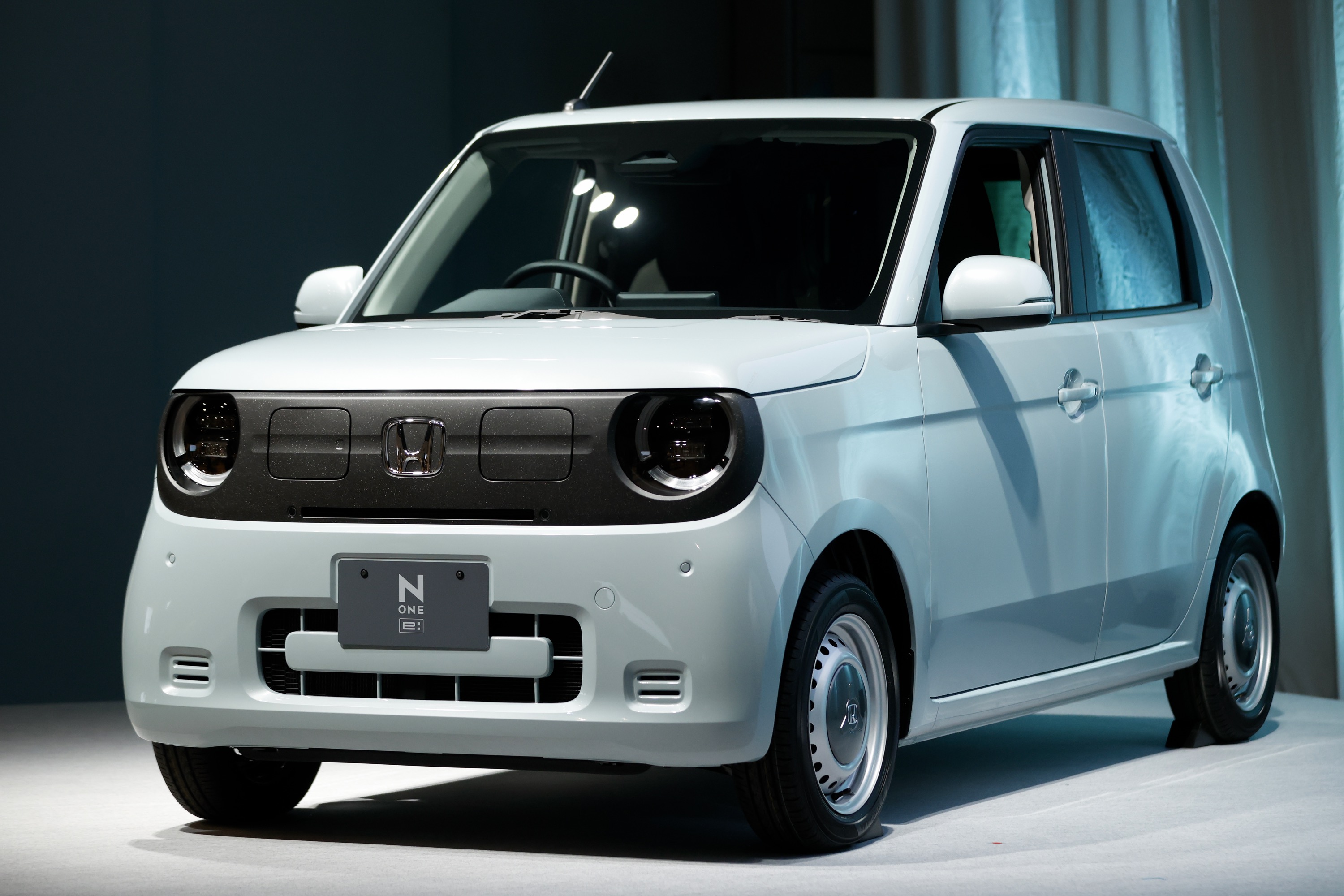
Toyota killed off its Scion sub-brand more than a decade ago, ending the haggle-free approach and cars aimed at younger buyers in favor of selling more Toyotas. But now it’s back as “Scion by Toyota,” which the automaker will apparently use to experiment with less traditional ideas. But forget about a cool-but-boxy EV in the mold of the Honda N-One or Nissan Sakura.
“The future of mobility will not be defined by one vehicle, one technology, or one way of thinking,” said Simon Humphries, Toyota’s chief branding officer and head of design. “Scion by Toyota gives us a place to challenge conventional thinking, explore new possibilities, and create mobility in new ways. The KEI-01, SxS, and BKE concepts each represent a different possibility—and together, they show what can happen when curiosity leads the way.”
Before anyone gets too excited, the KEI-01 will be classified as a “low-speed vehicle,” which means it can’t go any faster than 25 mph (40 km/h). So if you were hoping to use one of these but need to drive on anything but surface streets, be prepared to get honked at a lot, and not in a good way. In fact, unless you’re buying a fleet, Toyota won’t sell you a KEI-01 at all, at least not to begin with.
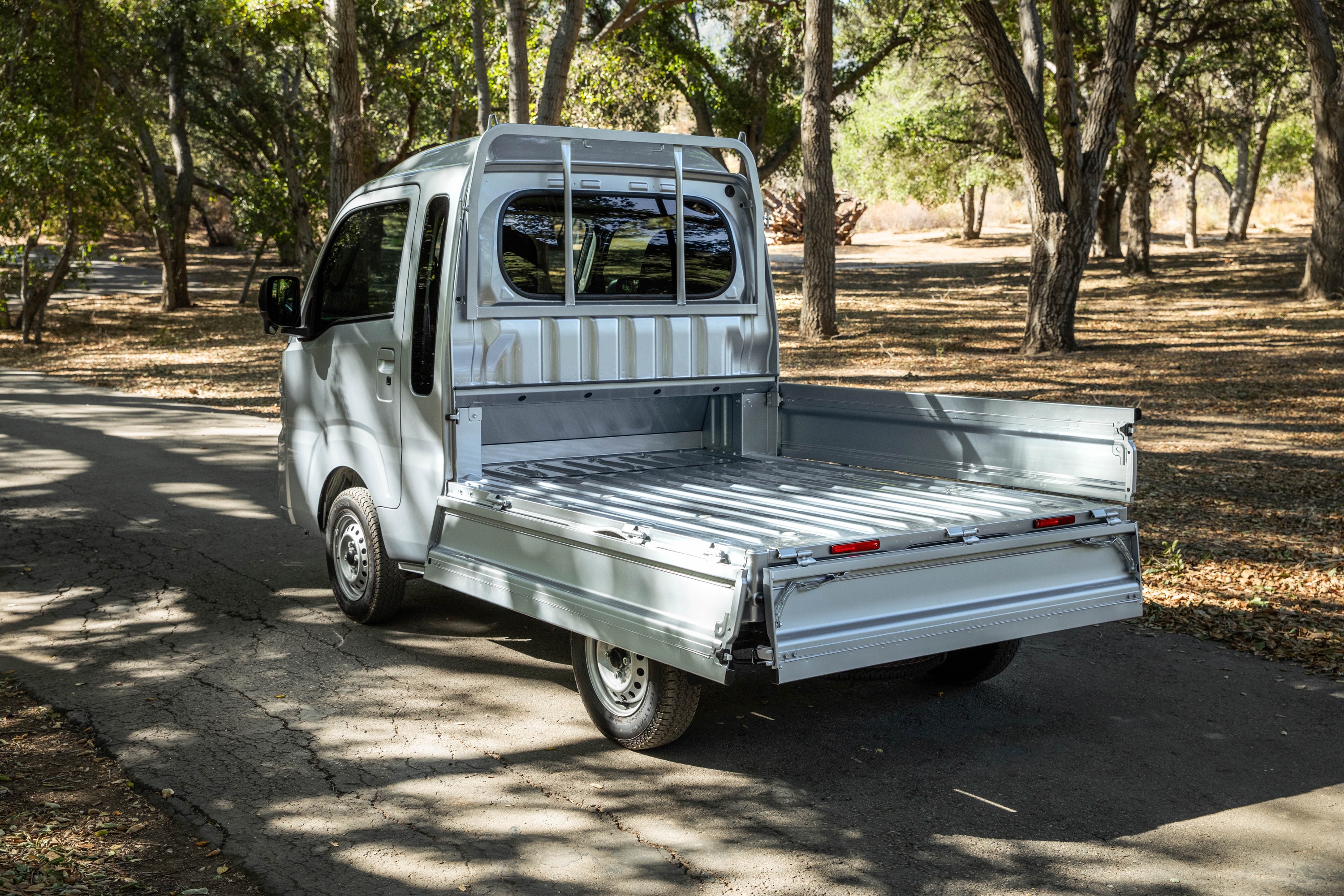
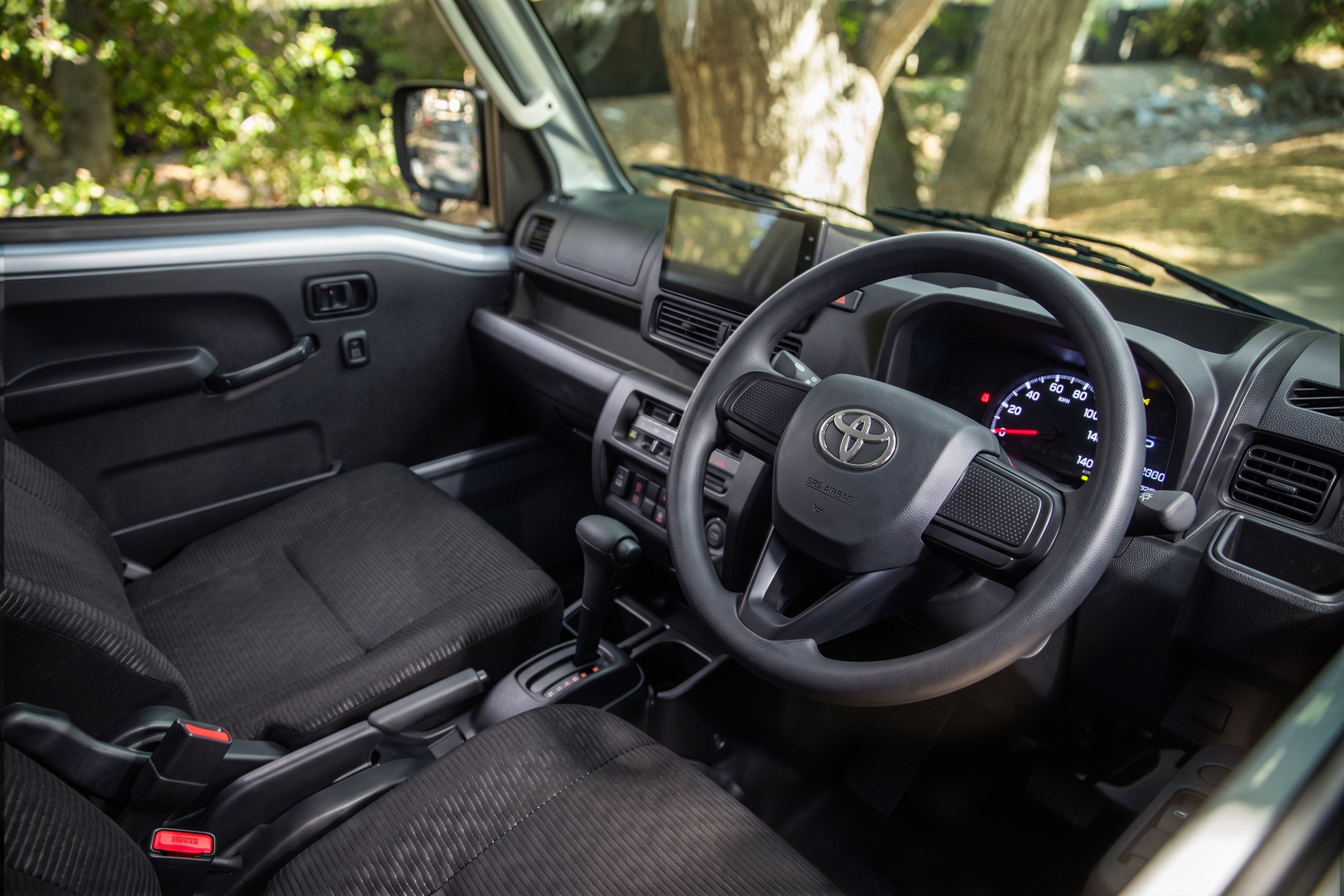
Oh, and it’s only available as right-hand drive, since that’s the side of the road Japan drives on. But it does feature all-wheel drive, so if you own a ranch—or perhaps a whole load of golf courses—the utility becomes a little more obvious. Toyota says the KEI-01 is suited to small business owners in urban environments, farmers and ranchers, organizations that have campuses that need fleets of facility vehicles, delivery drivers, and outdoor enthusiasts. The trucks will be shipped to Toyota’s assembly plant in Indiana as knock-down kits, adding 50 jobs to the plant in mid-2027.
Low-speed vehicles have been street-legal in parts of the US for many years now. In my neighborhood in Washington, DC, Circuit operates a low-speed EV shuttle on demand, and gas-powered golf carts are very popular in retirement communities. Pricing for the KEI-01 hasn’t been announced, but speculation runs from as little as $10,000 to as much as $28,000.