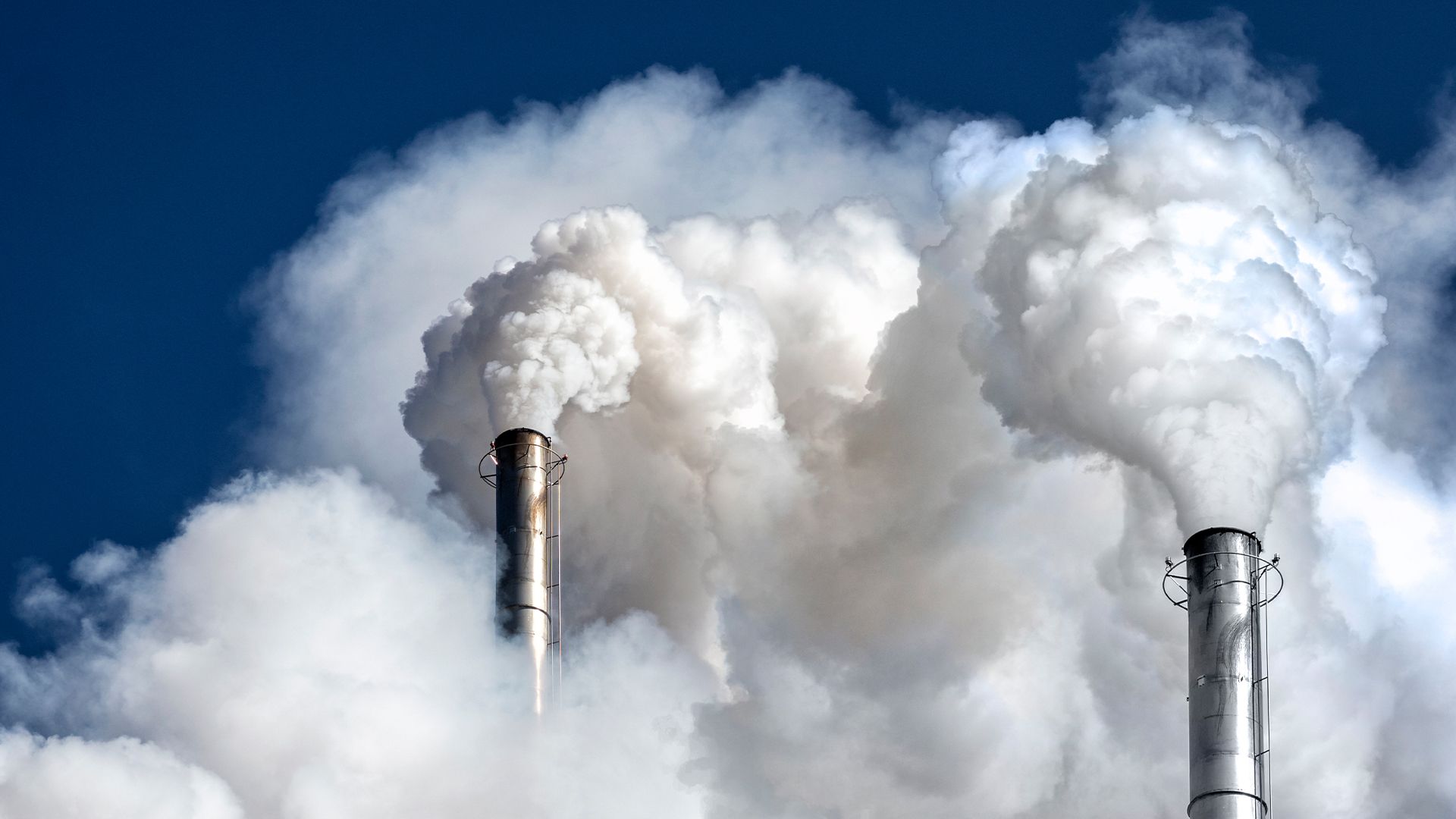
Hyperscale data centers emit three times the emissions as previously estimated, with 400 of the biggest facilities in the US emitting the same as Denmark each year.
That's according to a year-long study of electricity use and carbon emissions of hyperscale data centers by researchers at the Harvard Data Science Initiative, which has been published in Nature Sustainability.
The study found the 403 data centers studied used between 68 and 99 terawatts of electricity, depending on how hard they were running. That's as much as some states – notably Indiana, Michigan and Tennessee – use annually, accounting for roughly 1.8% of the total amount of electricity consumed in the US annually.
Notably, that’s more electricity consumed by Denmark. Researchers noted this accounted for 25.7 million metric tons of CO2 emissions, which is two-to-three times higher than 2018 estimates.
"Data centers are growing incredibly fast, driven largely by AI, and decisions about where to build them and how to power them are being made right now. But there’s very little facility-level information about their environmental footprint," said lead author Gianluca Guidi, postdoctoral fellow in the Department of Biostatistics. "Our study helps fill that gap."
Mass investment in data centers to power the rise of AI has long caused concerns about surging emissions and skyrocketing demand for electricity.
However, it's also worth noting that the data only applies to what the researchers have deemed "hyperscale data centers," which included 403 locations in the US, though that country has around 5,000 data center facilities in total, the most in the world.
Sign up today and you will receive a free copy of our Future Focus 2026 report - the leading resource for IT decision-maker insight on priorities and investment areas in AI, security and more.
Driving fossil fuel use
Notably, the biggest AI data centers are causing the most concern, and researchers said that about 54% of energy generation for this type of site was from fossil fuels, of which 38% was gas and 15% was coal, though that varied significantly by region.
That's been exacerbated by data center operators turning to gas for energy amid difficulties accessing electricity grids.
Harvard researchers noted that the study period only covers up to April 2025, with plenty more facilities built since then – suggesting the figures are already higher.
"What we’re seeing is already striking, but it’s only a snapshot of a rapidly expanding industry,” Guidi said.
"The data center boom hasn’t slowed down since our study period ended in April 2025. New facilities have been built, existing campuses have expanded, and demand for AI computing continues to grow. That means the electricity use and carbon footprint we’re reporting could already be substantially larger now in 2026."
Data for policy makers
While researchers admitted their study had limitations in coverage, they hoped it would be useful to policy makers – and in the US, data centers have become a political hot potato.
"Our goal is to give the public, policymakers, investors, and developers a much more concrete, up-to-date picture than was available before," added corresponding author Francesca Dominici, Clarence James Gamble Professor of Biostatistics, Population, and Data Science and director of the Harvard Data Science Initiative.
"Decisions about where data centers go and how they’re powered are critical environmental and public health decisions, and they should be made with good data."
"First, carbon dioxide drives climate change, which affects health through heat waves, wildfire smoke, flooding, and other pathways," Dominici said. "Second, the fossil fuel power plants in the regional electricity systems associated with this demand also release other pollutants, such as fine particulate matter, nitrogen oxides, and sulfur dioxide, that are directly linked to heart and lung disease and premature death."
Dominici added: "So when data centers draw heavily on fossil fuel power, the people living near and downwind of those power plants may bear health costs, even if they’re far from the data center itself."