The European Commission presents its long-promised Quantum Act in Strasbourg today, a law meant to turn Europe’s world-class quantum research into companies, factories, and products.
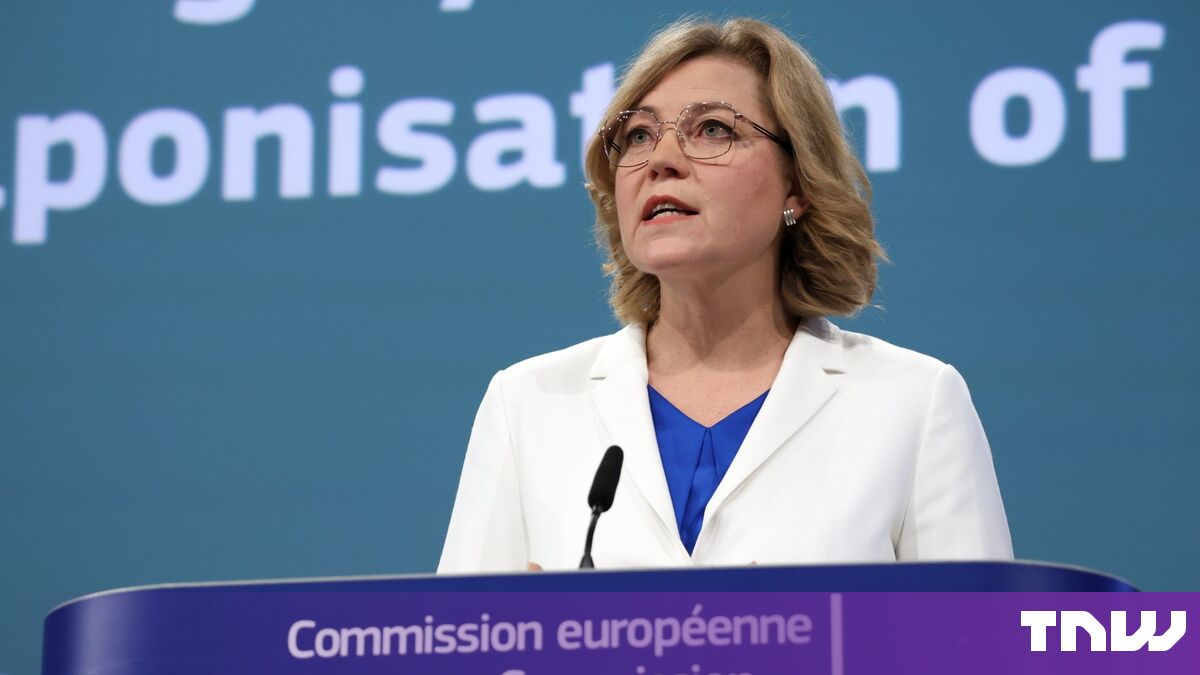
Henna Virkkunen, the Commission’s executive vice-president for tech sovereignty, is due to unveil the plan at 10:00 CET, once EU commissioners adopt it at their weekly meeting, but until then, here is what we know.
Quantum computers use the physics of very small particles to crack problems that today’s machines cannot. The technology promises faster drug discovery and new materials, but it also carries a threat, because a powerful quantum computer could one day break the encryption that protects bank accounts and state secrets.
The law has not been published yet, but leaked drafts show its direction. A version obtained by MLex in October would reserve some public contracts for EU-controlled companies and for firms from countries with mutual deals with the bloc.
Moreover, the same draft would decide who can join Europe’s flagship quantum projects, The Quantum Insider reported. Public buyers in critical sectors would also need systems that can resist quantum code-breaking, known as post-quantum encryption.
The problem the law tries to fix is money, as Europe produces top quantum science and hosts around a third of the world’s quantum startups, according to the Commission’s own figures. However, it attracts only about 5% of global private quantum investment, while the US takes more than half.
Today’s proposal is supposed to turn the Quantum Europe Strategy, adopted in July 2025, into law. That plan wants Europe to lead the world in quantum by 2030 and build more of the tech at home.
“Quantum might sound like science fiction to some, but it is already a reality,” Virkkunen said when she launched that strategy last year.
Commission officials have described the Act as a framework rather than a pot of money. Some have even called for consolidation, arguing that too many small quantum firms chase the same customers.
Several member states have not waited for Brussels, like France, which has already placed a €500mn bet on homegrown quantum champions, while startups such as Finland’s IQM run Europe’s only private quantum chip factory.
The proposal will not change anything overnight, as it must first go to the European Parliament and member states. They will debate and amend the text, a process that usually takes years.
The argument moves straight to Dublin, where the Act will top the agenda at the European Quantum Technologies Conference from 30 November to 2 December.